Quranic Answer
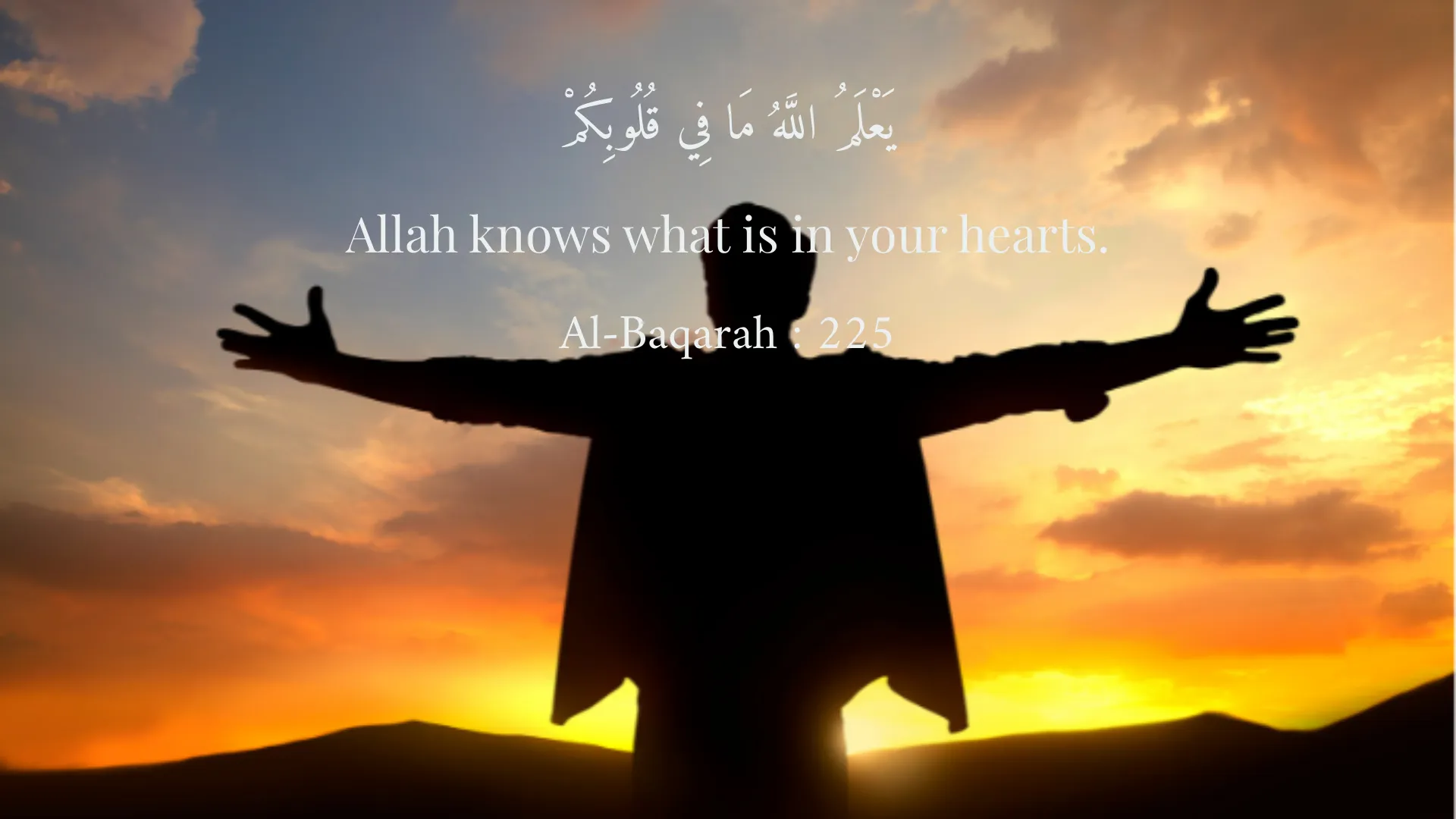
Every individual possesses the ability to forge their own path in life, yet the intentions with which they tread that path can lead to a multitude of outcomes. Bad intentions, often stemming from a place of negativity or malice, can significantly disrupt this journey, leading to adverse behaviors and ultimately undesirable consequences. The importance of intentions is highlighted in many moral and spiritual teachings, with the verses of the Holy Quran serving as a profound source of wisdom in this regard. They encourage introspection and the pursuit of noble intentions, setting a foundation for one's actions. One enlightening verse from the Quran is found in Surah Al-Baqarah, verse 225, where it is stated, "Allah knows what is in your hearts." This statement is both a reminder and a warning. It highlights that God possesses complete awareness of our inner intentions, whether they are pure and altruistic or tainted by selfishness and malice. This divine insight beckons individuals to reflect upon their own hearts and minds. Recognizing the presence of bad intentions within oneself is the first critical step toward transformation. It requires humility and honesty to confront the less savory aspects of one’s intentions. Once an individual acknowledges their bad intentions, they are presented with an opportunity for change—an opportunity to turn towards the wisdom of the Quran and the practice of supplications to help in steering their intentions toward positivity and righteousness. The verse from Surah Al-Imran, verse 29, further reinforces this notion: "Say, 'Whether you conceal what is in your breasts or reveal it, Allah knows it.'" This verse acts as a beacon for those who may wish to disguise their true intentions; it is a reminder that irrespective of how one presents oneself to the world, the true nature of one's heart remains visible to God. The recognition of this divine scrutiny can serve as a deterrent against harboring destructive intentions. Furthermore, individuals must remain vigilant in their daily lives to avoid situations that might inadvertently trigger bad intentions. Negative environments or the company of ill-minded individuals can create a breeding ground for harmful thoughts and behaviors. The Quran places significant emphasis on the importance of companionship. Being in the company of virtuous individuals—those who embody righteousness and demonstrate a commitment to moral and ethical living—can foster a positive mindset and instigate good intentions. These relationships serve as protective barriers against the sway of negativity, inspiring individuals to rise to higher standards of virtue. Engaging in prayer and the remembrance of Allah is another powerful means of fortifying righteous intentions. Regular prayer creates a rhythm of reflection and mindfulness in one’s life, enabling individuals to check their thoughts and intentions regularly. It is during these moments of prayer where one can genuinely ask for guidance and strength to ward off bad intentions, allowing for a continuous realignment with a noble purpose. Ultimately, it must be underscored that our intentions are not merely abstract notions; they manifest through our actions. The saying "Actions speak louder than words" rings particularly true in this context. When individuals harbor good intentions, these intentions guide them toward performing acts of kindness, generosity, and compassion towards others. It is through giving and doing good deeds that the heart can transform, leading to virtuous behaviors that not only uplift the self but also contribute positively to the greater community. In conclusion, navigating the complexities of life requires a conscious effort to cultivate positive intentions. The Quran provides example after example that urges believers to reflect on their inner worlds and consequently act in ways that are beneficial not only to themselves but also to those around them. Recognizing, the existence of bad intentions, seeking guidance from sacred texts, surrounding oneself with righteous individuals, engaging in prayer, and taking deliberate actions rooted in good intentions create a powerful framework for transforming one's inner landscape. As we embark on this journey, let us remember that every intention is a seed planted in the garden of our hearts, and through nurturing it with goodness and faith, we can achieve a flourishing and harmonious life.
Related Verses
يَعْلَمُ اللَّهُ مَا فِي قُلُوبِكُمْ
Allah knows what is in your hearts.
Al-Baqarah : 225
قُلْ إِن تُخْفُوا مَا فِي صُدُورِكُمْ أَوْ تُبْدُوهُ يَعْلَمْهُ اللَّهُ
Say, 'Whether you conceal what is in your breasts or reveal it, Allah knows it.'
Al-Imran : 29
Short Story
One day, a young man named Hassan struggled with his bad intentions. He sought help from a scholar and asked for guidance. The scholar said, 'Focus on God and prayer, and keep company with the righteous.' Hassan made an effort, and he found more peace in his life.