Quranic Answer
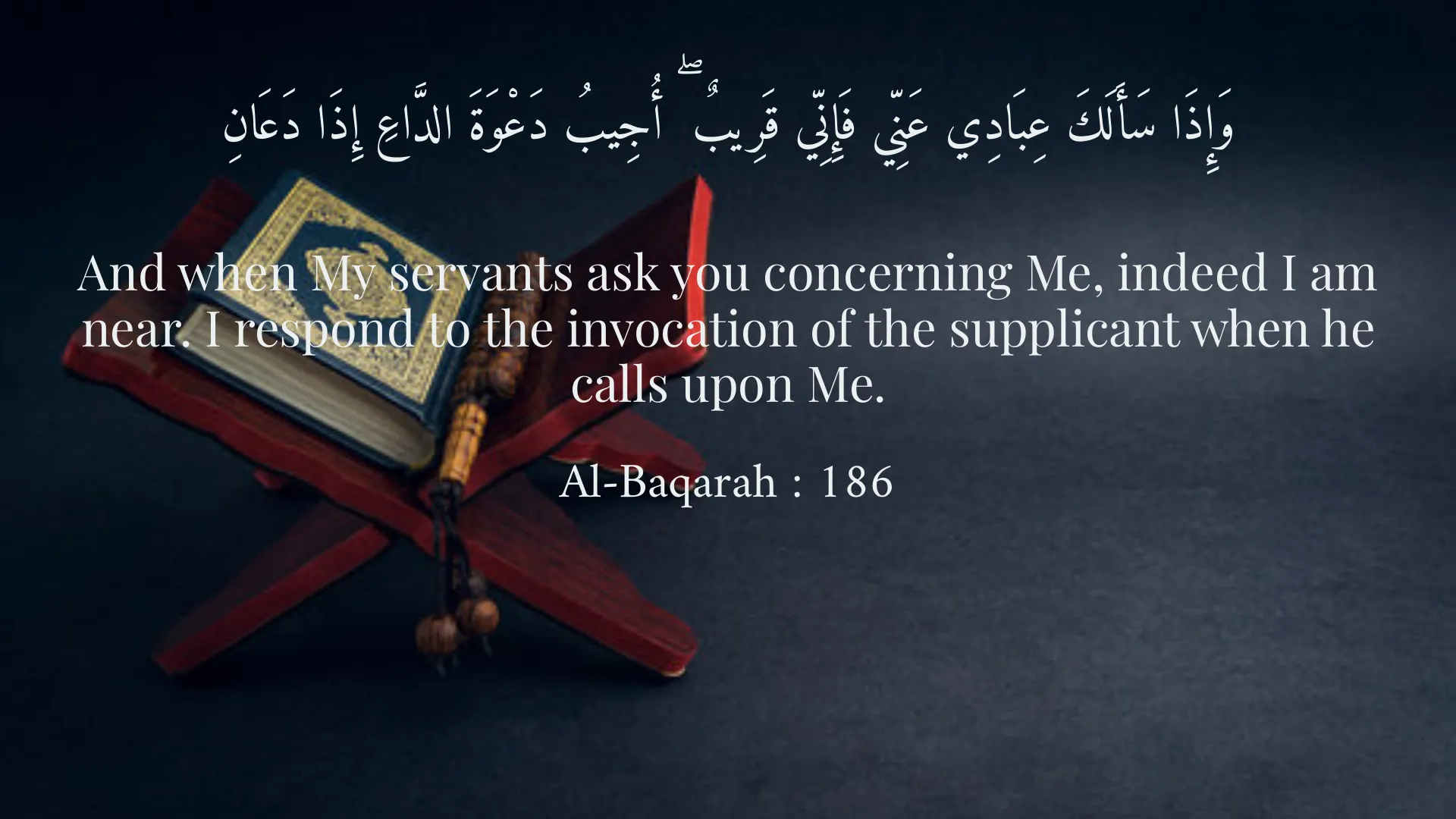
The Joy of Worship: A Deep Connection with the Divine Worship is not merely a ritual act or a set of practices performed by believers— it embodies a profound and unique experience that is central to the lives of millions across the globe. The joy of worship is marked by a deep connection with God, enhanced through the practice of faith, sincerity, and the willingness to submit to a higher power. In this article, we will explore the significance of worship from the perspective of Islamic teachings rooted in the Holy Quran, emphasizing verses that illustrate this intimate relationship with the Divine. The Holy Quran presents worship as an essential aspect of a believer’s life, and it is through this engagement that individuals are reminded of their purpose and their relationship with God. Surah Al-Baqarah, verse 186, offers a profound insight into this connection: 'And when My servants ask you concerning Me, indeed I am near. I respond to the invocation of the supplicant when he calls upon Me.' This verse encapsulates the essence of worship as an avenue for communication and connection with God, highlighting that He is always near to His believers. The promise of divine responsiveness instills hope and joy, transforming worship into a heartfelt dialogue rather than a mere obligation. Joy in worship often emerges from the feeling of closeness to God, an understanding that we are never alone in our struggles, joys, or supplications. It becomes a source of comfort, positivity, and empowerment for believers navigating the ups and downs of life. To expand this closeness, enhancing our focus and sincerity in worship is crucial. Before moving into our prayers or other forms of worship, it is wise to carve out moments of silence and tranquility, a sacred space where we can reflect on God’s greatness and plead for His guidance and support. This mindful approach creates an atmosphere conducive to a meaningful and joyful worship experience. Furthermore, reflection and preparation before engaging in acts of worship are not just beneficial; they are integral to experiencing the fullness of joy in our connection with God. For instance, Surah Ta-Ha, verse 14, illustrates the significance of mindful preparation in worship when Allah tells Moses, 'Indeed, I am your Lord, so remove your sandals. Indeed, you are in the sacred valley, Tuwa.' This powerful message goes beyond the physical act of removing sandals; it symbolizes a requirement for spiritual readiness and awareness that one is entering a sacred space to connect with the Divine. The household of faith often draws inspiration from the concept of 'sacred space' in worship. By recognizing designated times and spaces where we can engage fully in worship without distractions, we enhance our ability to connect with the divine. This practice invites joy into the heart, as we remember that worship is a celebration of our faith, an acknowledgment of God’s mercy, and an opportunity to express gratitude for His countless blessings. In today's fast-paced world, distractions abound; thus, creating an atmosphere of spirituality is paramount. This atmosphere can be fostered through various means, such as mindful breathing, recitation of Quranic verses, engaging in community prayers, and simply sitting in quiet reflection. Setting aside time for peace and contemplation in our daily lives can significantly enhance our worship experience, inviting a deeper understanding of the joy derived from this essential practice. Moreover, joy in worship is not solely an individual experience; it is often communal, shared among believers attending congregational prayers or gathering for study sessions. The act of coming together as a community under the umbrella of worship fosters a sense of belonging and strengthens ties among friends and family. Islamic teachings emphasize the importance of maintaining these communal bonds through congregational acts of worship such as Friday prayers, Eid prayers, and gatherings for knowledge and learning, reinforcing the importance of community in experiencing the joy of worship. In addition to collective experiences, personal acts of worship are vital in realizing individual joy. Each believer has a unique journey of faith, and individual acts such as prayer, supplication (dua), and reading the Quran can foster personal connections with God. These practices allow believers to express their innermost feelings, be it gratitude, sorrow, or hope, creating a balancing effect in their personal lives. The joy derived from knowing that each prayer is a step towards a closer relationship with one's Creator cannot be understated. Lastly, it is essential to recognize that the joy of worship, while often pursued, can sometimes be elusive. During challenging times, barriers may arise that hinder our ability to connect joyfully with God. However, embracing these moments is critical; these periods of struggle often lead us back to a more profound understanding of our faith. Trusting in God's divine wisdom and reflecting on the lessons learned during trials can ultimately lead back to the joy of worship and the realization of how much we need this connection. In conclusion, the joy of worship is an intricate and multi-faceted experience, deeply rooted in the relationship between the believer and God. By fostering sincerity, enhancing focus, and creating sacred atmospheres for worship, we can elevate our spiritual practice to profound new heights. As believers, recognizing the communal and personal aspects of worship reminds us of the shared journey toward divine connection, providing comfort and joy in our lives. Ultimately, the joy of worship is not only about the acts performed or the rituals observed but is significantly about the heart's condition and the earnest yearning to connect with the Divine. Thus, we must continually seek to deepen our engagement with the sacred, understanding that true joy in worship lies in the sincerity of our hearts and the steadfastness of our faith.
Related Verses
وَإِذَا سَأَلَكَ عِبَادِي عَنِّي فَإِنِّي قَرِيبٌ ۖ أُجِيبُ دَعْوَةَ الدَّاعِ إِذَا دَعَانِ
And when My servants ask you concerning Me, indeed I am near. I respond to the invocation of the supplicant when he calls upon Me.
Al-Baqarah : 186
إِنِّي أَنَا رَبُّكَ فَاخْلَعْ نَعْلَيْكَ إِنَّكَ بِالْوَادِ الْمُقَدَّسِ طُوى
Indeed, I am your Lord, so remove your sandals. Indeed, you are in the sacred valley, Tuwa.
Ta-Ha : 14
Short Story
One day, Hesam decides to experience the joy of worship more deeply. He first sits in a quiet corner, reflecting on God and remembering how much loved and merciful He is. Hesam then performs his bowing and prostration with his heart and soul, discovering a profound sense of peace and happiness has entered his life. This feeling is indescribable for him, and he realizes that worship is truly the key to happiness.