Quranic Answer
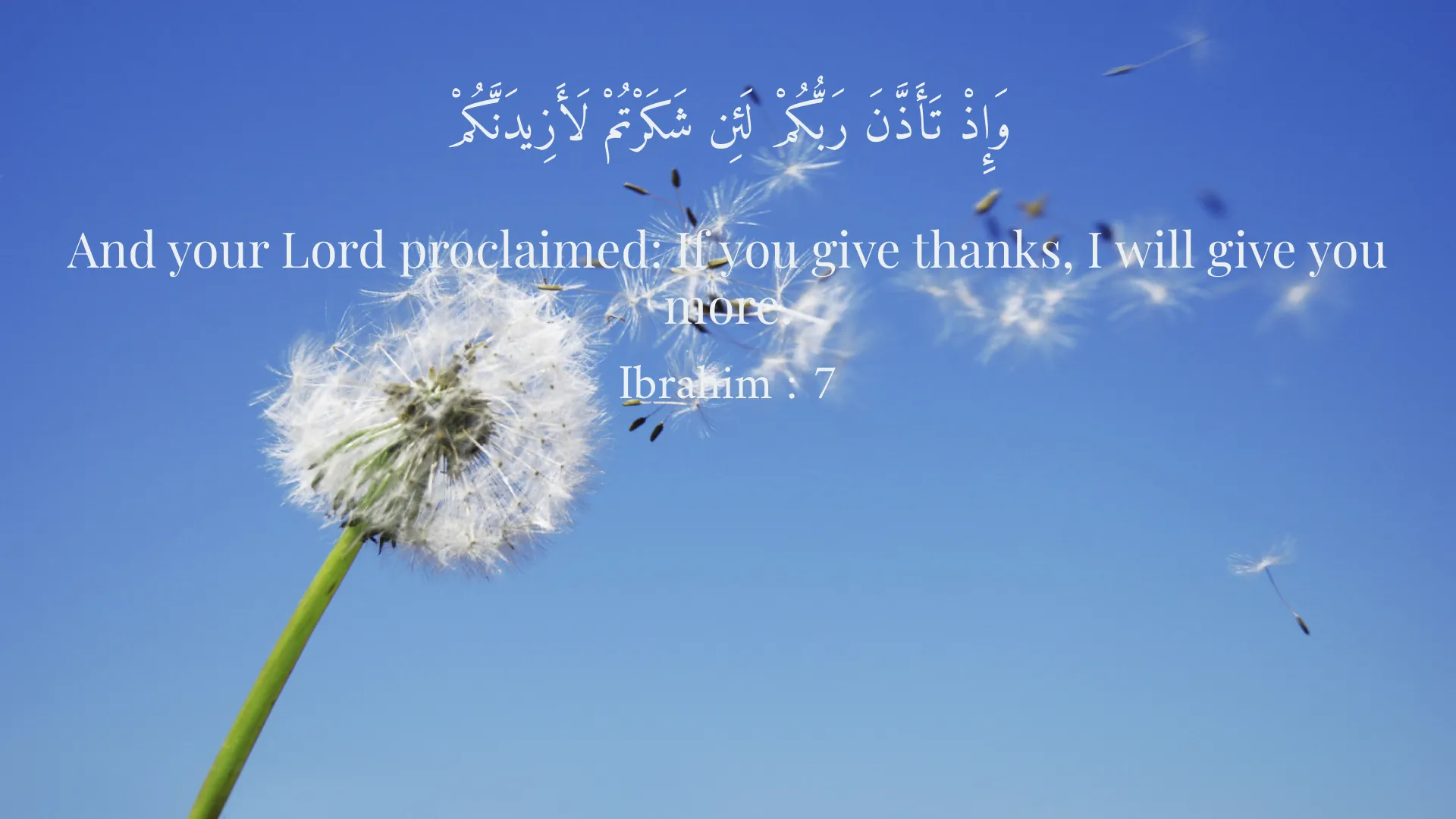
Expressing gratitude for blessings goes beyond merely saying 'thank you, God.' Gratitude is often perceived as a simple acknowledgment of the good things that come our way. However, the essence of true gratitude transcends verbal expressions; it requires a profound understanding and appreciation of the gifts we receive from the divine. The Holy Quran has numerous verses that address the topic of gratitude, emphasizing the importance of manifesting this thankfulness in our actions and behaviors. By exploring these divine teachings, we can gain deeper insights into how gratitude should be an integral part of our daily lives, shaping our interactions and enabling us to live healthier, more fulfilling lives. One of the key verses that highlights the significance of gratitude is found in Surah Ibrahim, verse 7: 'And your Lord proclaimed: If you give thanks, I will give you more.' This verse succinctly captures the reciprocal nature of gratitude. It serves as a reminder that expressing thankfulness to God not only acknowledges His blessings but also unlocks the potential for even more blessings in our lives. The divine promise outlined in this verse is a powerful motivator for individuals to practice gratitude actively. However, it is essential to recognize that gratitude should not merely be seen as a transactional relationship; it should be rooted in genuine appreciation. In other words, anyone truly wishing to show appreciation for God's blessings should demonstrate in practical ways how they benefit from these gifts. For instance, someone who is grateful for their health should make a concerted effort to care for their body well—eating nutritious foods, exercising regularly, and avoiding harmful habits. This proactive approach not only reflects a grateful heart but also aligns with the fundamental instruction to be stewards of our bodies, as they are indeed gifts from God. Similarly, in Surah Al-Mu’minun, verse 78, it states: 'And He is the One who created you from a single soul.' This verse beautifully encapsulates the interconnectedness of humanity and the responsibility that comes with it. It reflects that human beings need to recognize the intrinsic value of each blessing, each individual, and the bonds we share with one another. By acknowledging that we all originate from a single soul, we foster a sense of unity and compassion that can be manifested through our actions. In practice, expressing gratitude in our daily lives can take many forms—ranging from acts of kindness to being present for others. For example, if we are thankful for the support of our family and friends, we should make an effort to show that gratitude by being there for them in their times of need. This reciprocal care not only deepens our relationships but also cultivates a community that thrives on mutual appreciation and love. Moreover, gratitude should extend beyond close relationships to encompass our broader interactions with society. As part of expressing gratitude for the myriad blessings we enjoy, contributors must engage in community service or charitable acts. By giving back to the community, we not only honor the gifts we have received but also create channels through which blessings can flow into the lives of others. This reflects the Quranic teaching that gratitude is best expressed through actions that serve the greater good, amplifying the impact of our blessing beyond ourselves. Additionally, cultivating a grateful mindset profoundly affects our mental health and overall well-being. Research has shown that practicing gratitude can lead to increased happiness, reduced stress, and even improved physical health. Engaging in daily reflections on what we are thankful for encourages a more positive outlook on life and enhances our ability to cope with challenges. Spiritual texts, including those from the Quran, underscore how gratitude can elevate our spirits as we become more aware of the beauty surrounding us and the blessings that often go unnoticed. It is also important to acknowledge that expressing gratitude is not always a straightforward task. Life's challenges can create barriers to feeling grateful, particularly when faced with adversity, loss, or trauma. In these times, it is essential to remember that gratitude can still be found, even in the midst of difficulties. By seeking to understand the lessons those hardships offer, individuals may uncover deeper truths about their resilience and strength, leading to newfound appreciation for life itself. Ultimately, the essence of gratitude is found in its ability to transform our perceptions and attitudes toward life. As humans, we have the innate capacity to shape our experiences and responses to life’s circumstances. When we choose gratitude, we embrace not only a habit of saying thank you but also an active commitment to living a life of appreciation, recognizing both blessings and challenges as opportunities for growth. In conclusion, gratitude must be manifested in our daily lives directly through our actions and thoughts. We should not limit ourselves to mere words; rather, we should project a grateful spirit in every interaction and event. The Quran teaches that gratitude is not merely a passive feeling but an active practice that encompasses our relationships, our contributions to society, and our reflections on the blessings we receive. By allowing gratitude to guide our lives, we cultivate a richer existence that acknowledges the divine presence in all aspects of our being. In doing so, we not only fulfill the spiritual obligations set forth in the Quran but also enhance our own quality of life, creating a cycle of appreciation that reverberates through our communities and beyond.
Related Verses
وَإِذْ تَأَذَّنَ رَبُّكُمْ لَئِن شَكَرْتُمْ لَأَزِيدَنَّكُمْ
And your Lord proclaimed: If you give thanks, I will give you more.
Ibrahim : 7
وَهُوَ الَّذِي أَنشَأَكُمْ مِنْ سُلالَةٍ مِّن مَّاءٍ
And He is the One who created you from a single soul.
Al-Mu'minun : 78
Short Story
Once upon a time, a man named Hasan was striving to never forget to be grateful for any blessings in his life. Every day, he would go out into nature and admire its beauty. Ahmed would remember God and ask Him to grant him the ability to make better use of his blessings. After a while, he noticed that his daily expressions of gratitude led to greater joy and peace in his life.