Quranic Answer
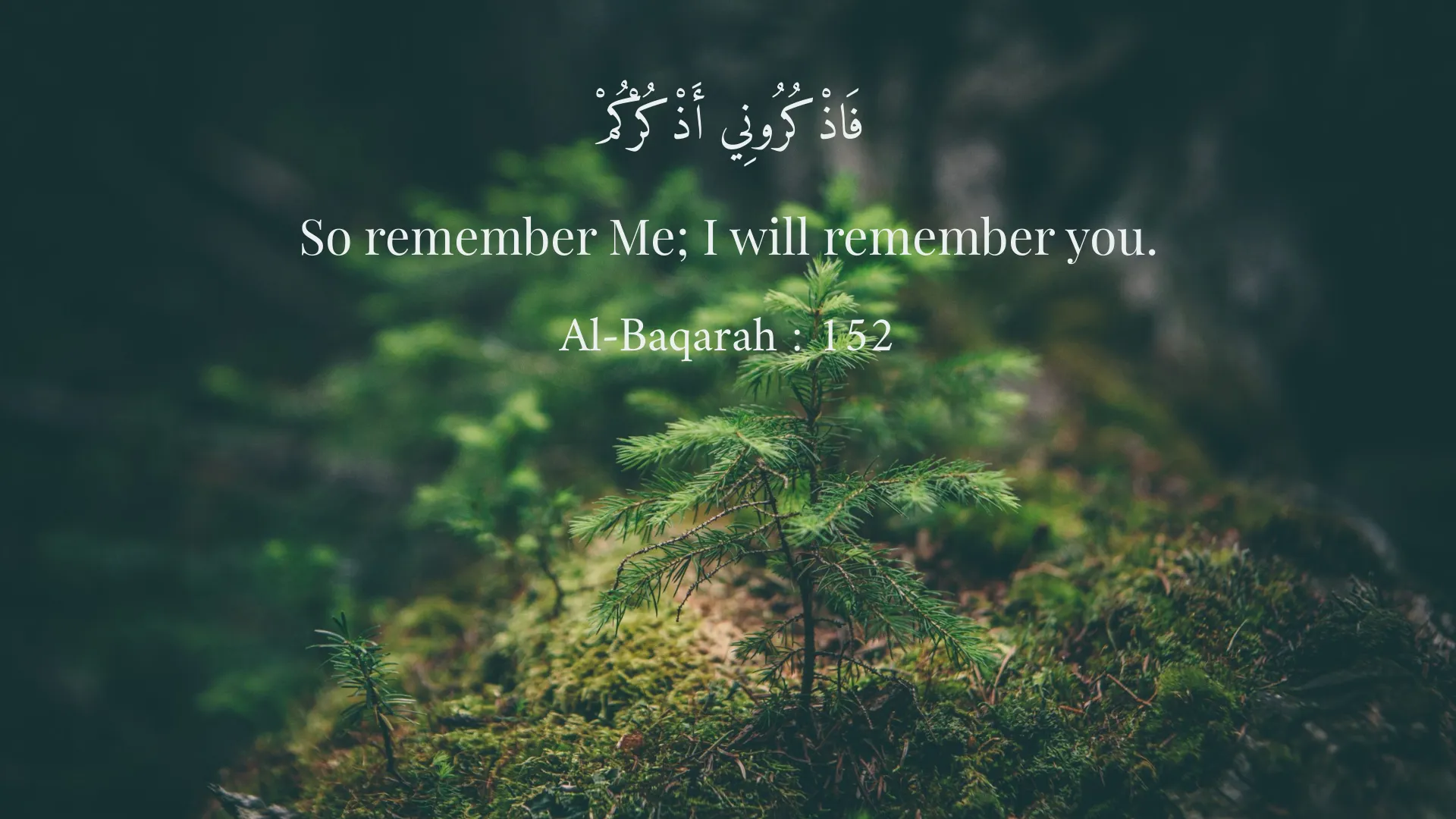
Feeling the love of God is often perceived as an essential facet of spiritual fulfillment and personal well-being for countless individuals across various cultures and religions. In the Islamic faith, this connection is expressed through a sincere and intimate relationship with Allah. The Holy Quran serves as a manual for believers, illuminating the paths to deepen this relationship and truly experience the divine love that Allah has reserved for His servants. The concept of divine love in Islam is rooted in the belief that Allah is compassionate and merciful, one who desires His servants to come closer to Him. In order to experience this love, individuals must actively engage in practices that foster intimacy with Allah. One of the most significant avenues to feeling God’s love is through remembrance, which is emphasized in the Quran. In Surah Al-Baqarah, verse 152, Allah states: 'So remember Me; I will remember you.' This verse encapsulates the reciprocal nature of the relationship humans share with the divine. It suggests that remembrance is not merely a passive act but a dynamic engagement that builds closeness and affection. When believers remember Allah, their hearts can experience a profound sense of love and comfort, despite external circumstances. In Islam, remembrance can take many forms—prayers, recitation of the Quran, and engaging in dhikr (remembrance of God through specific phrases). Each of these practices serves to pull believers away from daily distractions and into a mindset of gratitude and love. As a result, when individuals cultivate a routine of remembrance through these acts of worship, they create a fertile ground in their hearts for divine love to flourish. Additionally, performing good deeds is a crucial element in feeling God’s love more deeply. Helping others, engaging in community service, or simply showing kindness in one's interactions can all reflect Allah’s mercy and compassion. These actions not only benefit those around us but also strengthen our relationship with the Creator. As outlined in Surah Al-Imran, verse 31, Allah encourages followers to act in a way that aligns with His teachings: 'Say, if you love Allah, then follow me, so Allah will love you.' This verse underscores the importance of adhering to the commands of Allah and emulating the actions of His Messenger, Prophet Muhammad (peace be upon him). Good morals and ethical behavior are also central to cultivating love in one’s heart. When individuals strive to embody honesty, patience, humility, and respect for all creations, they mirror the attributes of Allah. Such attributes are described in the Quran not only as desirable traits but as essential aspects of faith that connect believers more closely to Allah. The more one reflects these qualities, the more substantial the love of God becomes in that individual’s life. In addition to good deeds and ethical behavior, the path toward feeling God's love also requires acknowledging one's weaknesses and expressing a sense of helplessness before Allah. This is accomplished through sincere repentance (Tawbah) and a return to Allah. In Surah Az-Zumar, verse 53, Allah addresses His servants, saying: 'O My servants who have believed! Fear your Lord. For those who do good in this world is good; and the earth of Allah is spacious. Indeed, the patient will be given their reward without account.' This verse reflects Allah's mercy and love toward His servants, particularly those who recognize their shortcomings and seek forgiveness, illustrating the importance of humility in the quest for divine love. Moreover, striving to connect with Allah through patience and resilience during difficult times further enhances the feeling of His love. Trials are not a sign of divine neglect; rather, they can be seen as opportunities for spiritual growth and a deeper connection with the Creator. The notion of patience, mentioned distinctly in the Quran, highlights that enduring adversities while maintaining faith can lead to greater rewards and unveil the boundless love of God. Feeling the love of God encompasses more than just emotional experience; it is demonstrated through action, commitment, and selflessness. This love has the power to transform individuals, inspiring them to pursue a life that reflects divine virtues and positively impacts the world around them. Therefore, believers are encouraged to engage actively in their faith, demonstrated through prayer, worship, good deeds, and turning to Allah in repentance. The essential message conveyed through the Quran is clear: the more one seeks to draw close to Allah, the more one will recognize His immense love and mercy. By fostering this relationship, believers experience not only personal tranquility but also find fulfillment in contributing positively to the lives of those within and beyond their communities. In conclusion, feeling the love of God is a profound and rewarding journey that necessitates sincerity and dedication. It requires a conscious effort to engage in acts that reflect the teachings of Allah and the Prophet Muhammad (peace be upon him). Through remembrance, good deeds, ethical conduct, repentance, and a humble approach to life’s trials, individuals can deepen their relationship with Allah and fully experience the richness of His love. As Muslims strive to embody these principles, they embody a sanctuary of peace and love both in their hearts and in the lives of others, becoming living testaments to Allah’s mercy and kindness.
Related Verses
فَاذْكُرُونِي أَذْكُرْكُمْ
So remember Me; I will remember you.
Al-Baqarah : 152
قُلْ إِن كُنتُمْ تُحِبُّونَ اللَّهَ فَاتَّبِعُونِي يُحْبِبْكُمُ اللَّهُ.
Say, if you love Allah, then follow me, so Allah will love you.
Al-Imran : 31
يَـٰعِبَادِيَ الَّذِينَ آمَنُوا اتَّقُوا رَبَّكُمْ
O My servants who have believed! Fear your Lord.
Az-Zumar : 53
Short Story
Once upon a time, a man named Sajjad felt distant from God's love in his heart. He decided to start his days with prayer and remembering God. Every day, he dedicated two hours to supplication and communion with God, keeping Him in his thoughts at all times. After a while, he felt that God's love had come alive in his heart, filling his life with peace and hope.