Quranic Answer
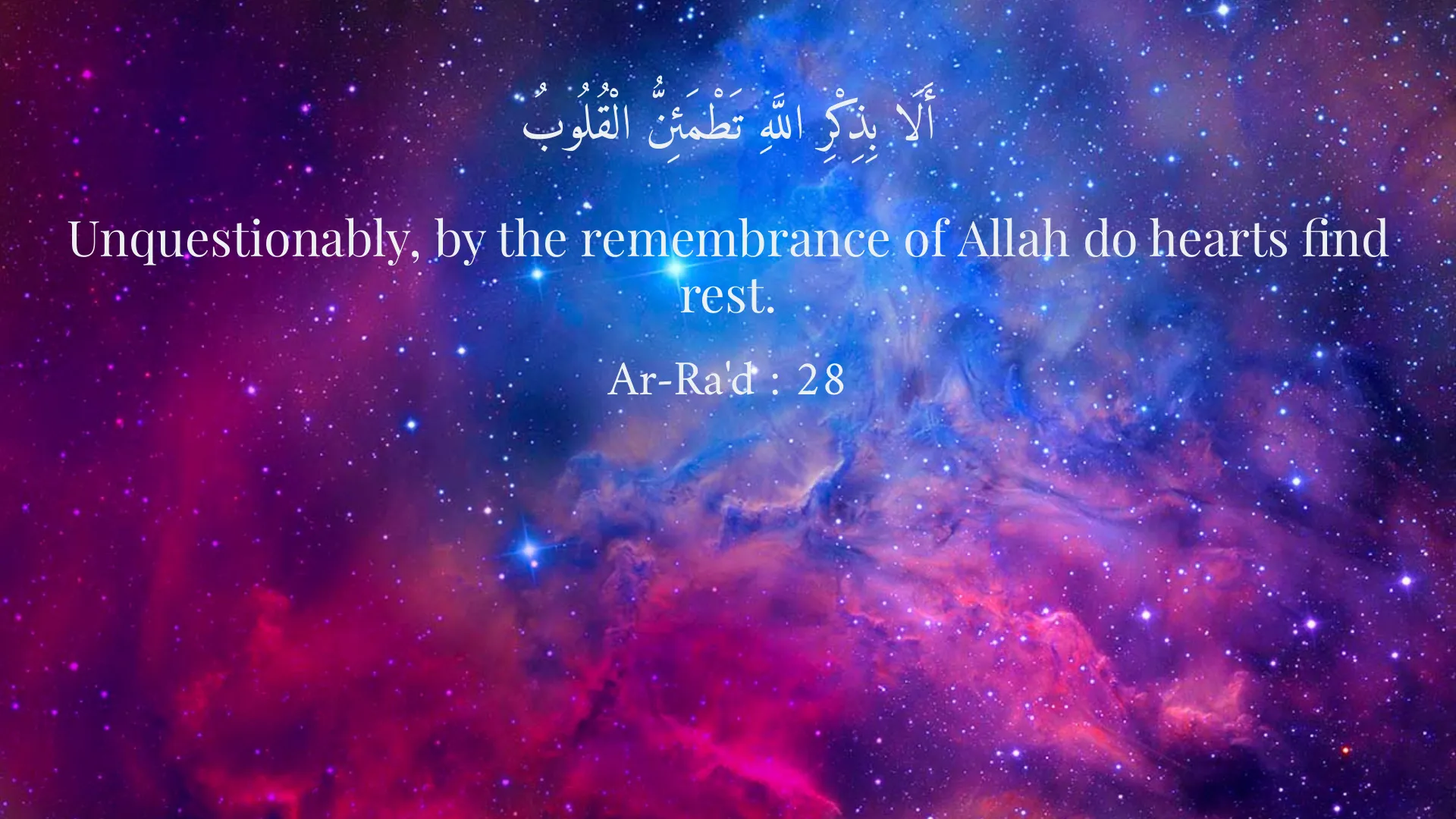
Solitude is often perceived as a time of loneliness, a state where individuals feel isolated and disconnected from the world around them. However, it can also serve as a profound opportunity for self-reflection, personal growth, and a deepening relationship with the Divine. Many spiritual traditions emphasize the importance of solitude, and in Islam, this theme is particularly prevalent. The teachings of the Holy Quran remind us that moments of isolation can be transformed into moments of connection with God if approached with the right mindset. In the Islamic faith, the Quran serves as a guiding light, providing wisdom and comfort, especially during times of difficulty and solitude. One of the significant verses that underscore the importance of remembering God during such times is found in Surah Ar-Ra'd, verse 28, which states, 'Indeed, by the remembrance of Allah do hearts find rest.' This verse encapsulates the essence of peace and tranquility that can be achieved through the mindful remembrance of God. In essence, this verse implies that even in our most solitary moments, turning our thoughts and prayers toward the Divine can offer solace and calm our restless hearts. The idea that through the remembrance of Allah we can find rest resonates deeply with many believers. It suggests that rather than succumbing to feelings of despair or loneliness, individuals can harness these moments for spiritual elevation. The form of remembrance, or Dhikr, can take many forms—reciting verses from the Quran, engaging in prayer, or simply reflecting on God's attributes. Each of these practices fosters a connection to God, enabling the believer to experience His presence even in solitude. In addition to Surah Ar-Ra'd, the narrative of Prophet Musa (Moses) in Surah Taha provides a powerful illustration of seeking refuge in God amid solitude and fear. In verses 25 to 28, we see Musa, confronted with fear over Pharaoh’s tyranny, turning to God for assistance: 'He said, 'My Lord, expand for me my breast and ease for me my task and untie the knot from my tongue that they may understand my speech.' This supplication encapsulates the essence of surrendering one's fears and burdens to God, demonstrating how solitude can become a sacred space for seeking guidance and strength. Through such narratives, believers are reminded that God is always near, ready to support and uplift those who reach out to Him, even during the darkest times. The divine promise of assistance illustrated in these verses reassures us that solitude does not equate to abandonment. Instead, it presents an opportunity for connection and reliance on God's wisdom. In daily life, fostering a sense of God’s presence in moments of solitude can be profoundly transformative. More often than not, people struggle with loneliness in this fast-paced, disconnected world. Yet, by embracing solitude not as a negative experience but as a chance to deepen one's faith, individuals can build a robust spiritual foundation. This involves deliberate actions such as setting aside time for prayer and reflection, reading classical texts, and engaging with community support. Moreover, one practical way to enrich our spiritual lives during solitude is through prayer and supplication (Dua). Engaging in interactive conversations with God can bring tremendous peace and clarity to our minds. Reciting Quranic verses, like Ayat al-Kursi or Surah Al-Fatiha, during solitary moments can reaffirm one's connection to the Divine. These acts of remembrance can help bridge the gap between isolation and spiritual closeness. Not only does this cultivate a sense of belonging to a greater purpose, but it also helps the individual combat feelings of hopelessness that often arise from loneliness. Additionally, many Hadiths (sayings of the Prophet Muhammad) emphasize the value of solitude for spiritual growth. For example, the Prophet Muhammad stated: 'The best of the people is one who is alone with Allah in his own thoughts. If he dies while in that state, he will die in the best condition.' This statement highlights the importance of seeking God in solitude and finding strength and solace in His presence. As we navigate the challenges of life, it is essential to remember that solitude shouldn't be shunned or feared. Rather, it should be embraced as a crucial aspect of personal and spiritual development. By actively engaging with God during our solitary moments, we can foster a deep sense of connection, purpose, and inner peace. This spiritual fulfillment acts as a powerful antidote to the loneliness and despair that many people experience today. In conclusion, the teachings of the Quran remind us that solitude can be a sanctified space where we can connect deeply with Allah. Through remembrance, prayer, and contemplation, we can transform our solitary experiences into profound moments of divine connection. We must not forget that God is always near, and He is waiting for us to reach out to Him. Thus, by embracing solitude, believers can cultivate a robust spiritual life, minimize feelings of loneliness, and find comfort in the knowledge that they are never truly alone. In essence, solitude is not a curse but rather a blessing—a chance to heal, reflect, and grow closer to God.
Related Verses
أَلَا بِذِكْرِ اللَّهِ تَطْمَئِنُّ الْقُلُوبُ
Unquestionably, by the remembrance of Allah do hearts find rest.
Ar-Ra'd : 28
قَالَ رَبِّ اشْرَحْ لِي صَدْرِي
He said, 'My Lord, expand for me my breast.'
Taha : 25
وَيَسِّرْ لِي أَمْرِي
And make easy for me my task.
Taha : 26
Short Story
One day, Adel was sitting in his solitude, reflecting on God. At that moment, he recalled a verse from the Quran that says, 'Indeed, by the remembrance of Allah do hearts find rest.' He began to pray and worship, experiencing profound tranquility. This experience reminded him that God is always with him and that he can draw closer to Him in moments of solitude.