Quranic Answer
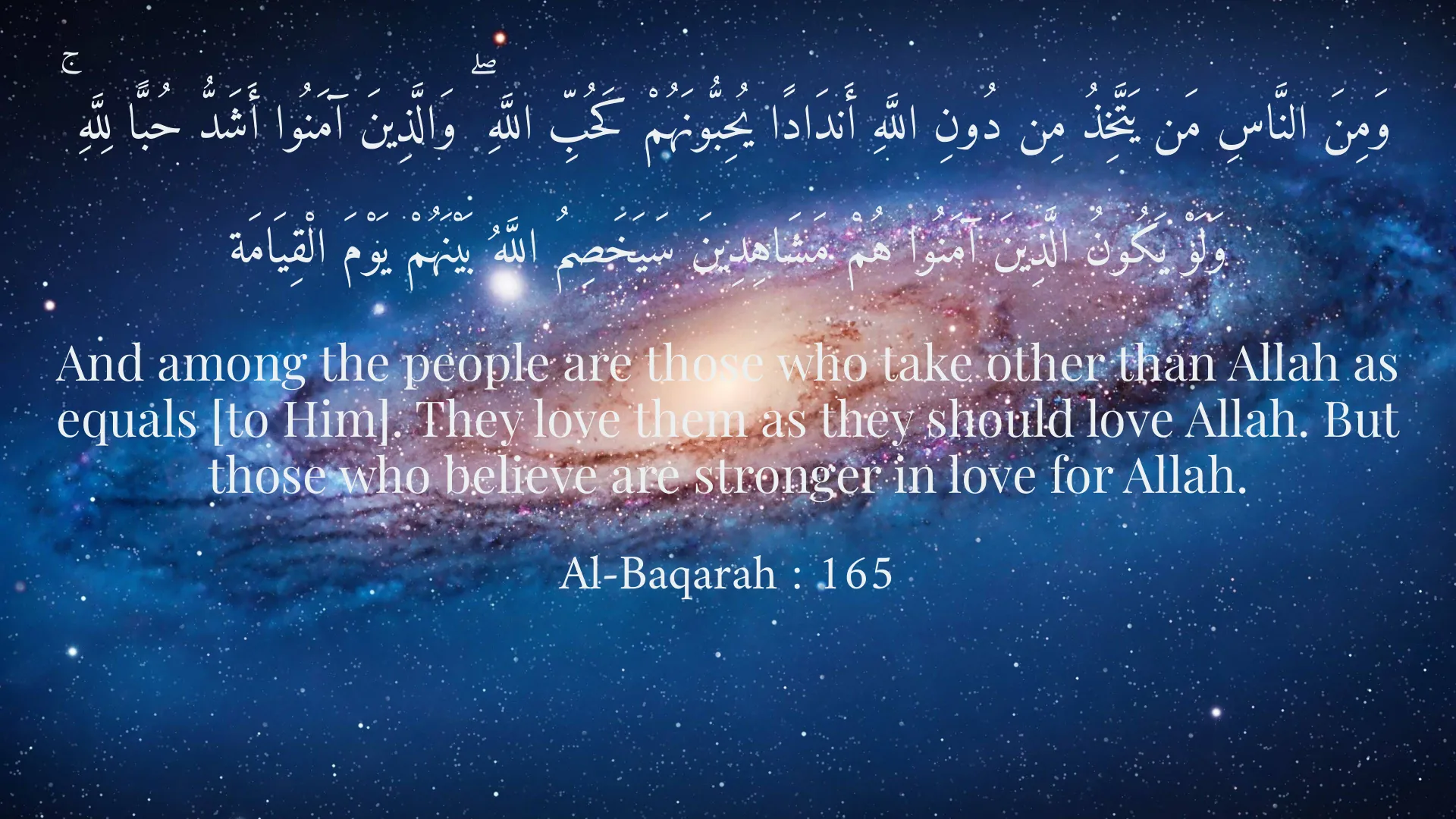
Feeling the love of God is an experience that transcends mere emotion; it is an all-encompassing feeling rooted in faith, devotion, and the recognition of God's signs and blessings in the world around us. Individuals from various backgrounds and faiths often seek a deeper connection with the divine, and the manifestations of God's love can be identified through various avenues in daily life. In particular, the Holy Quran serves as a guiding beacon, frequently highlighting the concepts of mercy, compassion, and love that God extends towards humanity. Through careful reflection on its verses, one can uncover the layers of divine love that permeate our existence. One of the most compelling references to God's love is found in Surah Al-Baqarah, verse 165, which states: "And among the people are those who take other than Allah as equals [to Him]. They love them as they should love Allah. But those who believe are stronger in love for Allah." This powerful verse serves as a reminder that the pinnacle of love should be directed towards God, above all else. It establishes a contrast between those who may misplace their affections on transient worldly matters or beings and the true believers, who prioritize their love for God as the guiding principle of their lives. To truly understand and feel divine love, one must engage in a genuine relationship with God, which cultivates a sense of purpose and connection. Experiencing divine love can also be facilitated through prayer, an act that draws individuals nearer to God. Prayer is not merely a series of recitations; it is an intimate conversation with the Creator. In Surah Al-Ma'idah, verse 54, God addresses believers with: "O you who believe! If you support Allah and His Messenger and strive in the cause of Allah, He will love you." This divine promise emphasizes that active participation in faith, service to humanity, and supporting the divine message can elicit God's love. When one dedicates their efforts towards compassion, justice, and goodwill, they align themselves with divine principles and, in turn, experience a profound connection to God's love. Moreover, the act of reading and reflecting upon the Quran serves as another pathway to experiencing divine love. The verses of the Quran are a source of guidance, comfort, and wisdom. In Surah Ar-Ra'd, verse 28, it is declared: "Indeed, it is in the remembrance of Allah that hearts find rest." This statement underscores the importance of remembrance and contemplation in the pursuit of peace and fulfillment. When individuals prioritize the remembrance of God, their hearts become attuned to the myriad blessings surrounding them. This connection leads to a deeper understanding of God's mercy and the infinite love He has for all of His creation, making it possible to feel His presence in their lives. Engaging in good deeds is another expression of love that not only stems from a belief in God but also fosters a sense of community and compassion among people. Acts of kindness, charity, and selflessness are not just encouraged; they are an essential reflection of the divine love that encompasses humanity. By embodying the principles of love, forgiveness, and mercy, we extend the love of God to ourselves and those around us. This reciprocal relationship nurtures a culture of compassion that reinforces the significance of love in our spiritual journey. The road to feeling the love of God may often be paved with challenges, doubts, and tests; however, these experiences serve to deepen our faith. It is during moments of hardship that individuals can turn towards prayer, reflection, and the teachings of the Quran, seeking solace and strength in God's love. Realizing that God is always by our side, even in the most trying times, is essential to understanding the depth of divine love. When faced with adversity, trusting in God can illuminate the path forward, allowing us to recognize the myriad ways in which He supports us through our struggles. Furthermore, it is essential to recognize that divine love is a reciprocal relationship. The more we reach out to God through prayer, remembrance, and righteous actions, the more we open ourselves to receiving His boundless love. This relationship is nurtured in sincerity and faithfulness, allowing believers to cultivate a deep sense of belonging and purpose. The true richness of divine love lies in its ability to transform our hearts and inspire us to share this love with others, breaking down barriers and fostering unity among all of humanity. In conclusion, feeling the love of God is a multi-faceted journey that encompasses the recognition of divine signs in our daily lives, the dedication to prayer and good deeds, and the constant remembrance of His mercy and compassion. The Quran serves as a guide, reminding us of the profound relationship we can establish with God through love, sincerity, and service to others. As we explore the various ways to foster this relationship, we draw closer to the essence of divine love, which ultimately leads to inner peace, fulfillment, and a transformative connection to the divine. By understanding and embracing the depth of God's love, we can navigate the complexities of life with faith, strength, and an unwavering commitment to living a life that reflects the love we have come to cherish.
Related Verses
وَمِنَ النَّاسِ مَن يَتَّخِذُ مِن دُونِ اللَّهِ أَندَادًا يُحِبُّونَهُمْ كَحُبِّ اللَّهِ ۖ وَالَّذِينَ آمَنُوا أَشَدُّ حُبًّا لِلَّهِ ۚ وَلَوْ يَكُونُ الَّذِينَ آمَنُوا هُمْ مَشَاهِدِينَ سَيَخَصِمُ اللَّهُ بَيْنَهُمْ يَوْمَ الْقِيَامَة
And among the people are those who take other than Allah as equals [to Him]. They love them as they should love Allah. But those who believe are stronger in love for Allah.
Al-Baqarah : 165
يَا أَيُّهَا الَّذِينَ آمَنُوا مَن يَرْتَدَّ مِنكُمْ عَن دِينِهِ فَسَوْفَ يَأْتِي اللَّهُ بِقَوْمٍ يُحِبُّهُمْ وَيُحِبُّونَهُ أَذِلَّةٍ عَلَى الْمُؤْمِنِينَ أَعِزَّةٍ عَلَى الْكَافِرِينَ
O you who believe! If you support Allah and His Messenger and strive in the cause of Allah, He will love you.
Al-Ma'idah : 54
أَلَا بِذِكْرِ اللَّهِ تَطْمَئِنُّ الْقُلُوبُ
Indeed, it is in the remembrance of Allah that hearts find rest.
Ar-Ra'd : 28
Short Story
On a sunny day, Mahdi went to the beach to spend some time in contemplation and prayer. While sitting and listening to the sound of the sea, he felt that God was embracing him. He decided to dedicate part of his day to remembering God and performing acts of kindness. After a few weeks, Mahdi realized that not only did he have more peace in his life, but he also felt the love of God in his heart.