Quranic Answer
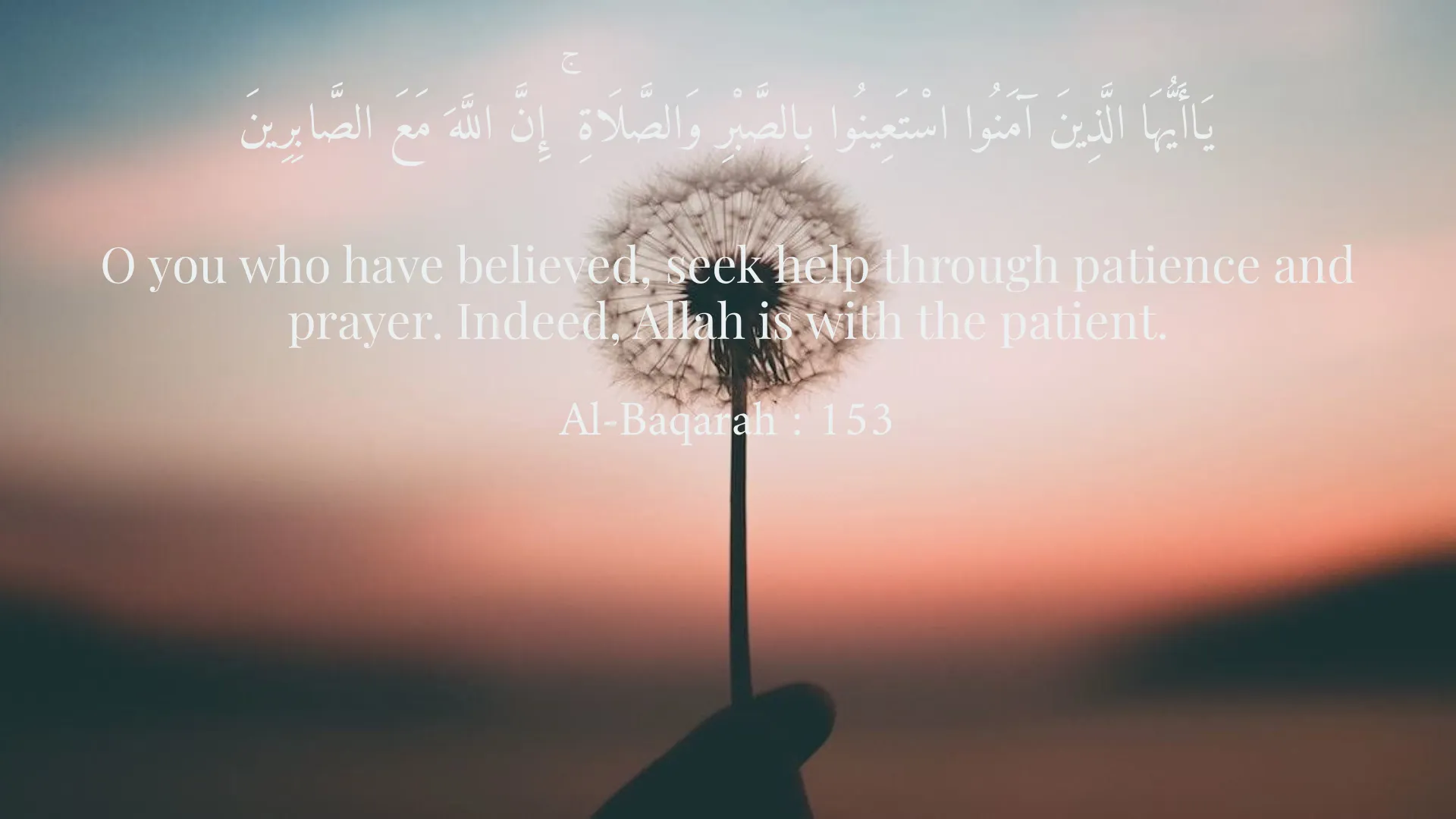
The Holy Quran describes suffering and hardships as an integral part of human life. Many verses in the Quran address the topic of trials and tribulations, shedding light on how to navigate through them while maintaining a strong connection with our Creator. This article aims to elaborate on the significance of patience, prayer, and gratitude during difficult times, drawing upon specific verses from the Quran that highlight these themes. One of the most poignant reflections on human suffering can be found in Surah Al-Baqarah, verse 153: 'O you who have believed, seek help through patience and prayer. Indeed, Allah is with the patient.' This verse serves as a pillar for believers facing adversity, emphasizing that the most effective way to cope with hardship is through patience and prayer. Patience, in this context, is not merely enduring difficulty but actively strengthening oneself against it. It equips the believer with resilience and fortitude, enabling them to withstand the storms of life without losing hope. Prayer, on the other hand, is depicted as the most direct means of drawing closer to God. It is a spiritual lifeline, allowing us to communicate our fears, hopes, and gratitude to the Almighty. When times become tough, turning to prayer can soothe the soul and provide clarity of thought. In our moments of despair, it is essential to remember that Allah stands beside the patient, offering comfort and support. The verse reinforces the understanding that we are not alone in our struggles; divine assistance is always within reach for those who exhibit patience. Moreover, in Surah Al-Inshirah, verses 5 and 6, we encounter a hopeful promise: 'For indeed, with hardship [comes] ease. Indeed, with hardship [comes] ease.' These verses encapsulate the quintessential nature of life’s trials – that every hardship is accompanied by ease. This duality serves to remind us of the cyclical nature of existence, urging us to remain steadfast in our faith during difficult times. The repetition of the phrase emphasizes its importance, reinforcing the idea that God ultimately has a plan that transcends our immediate sufferings. By affirming that ease follows hardship, the Quran teaches us to rely on God and to maintain faith that brighter days will arrive following the dark. Such reminders not only foster hope but also instill a sense of patience and endurance in the face of adversity. The promise of ease maintenance, following hardship, encourages believers to cultivate a mindset of anticipation for better times, motivating them to persist in their struggles. Finding God in the heart of suffering is about establishing a deeper and more profound bond with Him. This journey allows us to explore several key points essential for spiritual growth during adversity. First and foremost, during trials, it is vital to remember God and call on Him. This practice eventually leads us to spiritual peace and tranquility. Recognizing that our hardships are noted and understood by our Creator brings a sense of relief and inner calm. Secondly, we must not forget to pray during times of distress. Prayer serves as a beacon of light and guidance, illuminating the path through dark times. Engaging in regular prayer helps us maintain our connection with God, reinforcing our faith and trust in His wisdom and timing. It is through prayer that we can pour our hearts out, sharing our struggles and seeking solace. Furthermore, prayer acts as a reminder of the blessings we often overlook in our moments of despair. Thirdly, practicing gratitude to God for all the blessings we possess, even on the toughest days, is crucial. Expressing thankfulness, despite our challenges, helps us cultivate a positive mindset and reinforces our reliance on God. It is easy to become consumed by negativity during hardships; however, focusing on our blessings reminds us of God’s mercy and favor. This transformative perspective enables us to find light even in the darkest of days. In our deepened connection with God, we discover not just resilience but also an inner strength and hope that allow us to navigate the waves of suffering. The experience of hardship can be a catalyst for reflection and growth. It encourages us to examine our lives, nurture our spirituality, and strengthen our bonds with loved ones and communities. In this way, suffering is not merely an obstacle but an opportunity to evolve and grow closer to God. It is also essential to recognize the role of community during times of hardship. Islam emphasizes the importance of supporting one another in times of need. Engaging with others—whether family, friends, or members of the community—can provide comfort and upliftment. Shared experiences around hardships can foster empathy and understanding, reminding us that we are all interconnected in our struggles and triumphs. In conclusion, suffering and hardship are inevitable aspects of the human experience, but the Holy Quran provides invaluable guidance on how to navigate these challenges. Through patience, prayer, and gratitude, we can foster a deep connection with God, enabling us to find strength, hope, and peace amid life's struggles. The teachings in the Quran remind us that every hardship is paired with ease, providing us with the reassurance that, despite our trials, better days lie ahead. Embracing these principles will not only ground us during difficult times but also cultivate a resilient spirit that can withstand the tests of life, allowing us to emerge stronger and closer to God.
Related Verses
يَاأَيُّهَا الَّذِينَ آمَنُوا اسْتَعِينُوا بِالصَّبْرِ وَالصَّلَاةِ ۚ إِنَّ اللَّهَ مَعَ الصَّابِرِينَ
O you who have believed, seek help through patience and prayer. Indeed, Allah is with the patient.
Al-Baqarah : 153
فَإنَّ مَعَ الْعُسْرِ يُسْرًا
For indeed, with hardship [comes] ease.
Al-Inshirah : 5
إنَّ مَعَ الْعُسْرِ يُسْرًا
Indeed, with hardship [comes] ease.
Al-Inshirah : 6
Short Story
Once upon a time, a man named Yahya faced numerous difficulties in his life. He felt that the whole world was closing in on him, and he saw no way out. One day, while praying, he remembered the verses of the Quran that tell how close God is to the patient. He then decided to place his complete trust in God. He felt a calmness in his heart, and slowly, his problems began to resolve one by one. He understood that in the heart of suffering, God would always be there to help him.