Quranic Answer
Finding our true selves is one of the most important goals in every individual's life. The quest for self-discovery is not just a personal endeavor; it is intrinsically linked to our understanding of existence, purpose, and our connection with the Divine. The Holy Quran, as a timeless guide, teaches us through numerous verses how to delve into the depths of our existence and approach our true essence. Each verse offers profound insights that enlighten our path and encourage spiritual and moral growth. One of the primary ways to achieve this understanding is to strengthen our faith and connection with God. In Surah Al-Baqarah, verse 186, it states: 'And when My servants ask you concerning Me, indeed I am near. I respond to the invocation of the supplicant when he calls upon Me.' This powerful verse highlights the intimate relationship that God offers to believers. It establishes that drawing closer to God and establishing a connection with Him is pivotal not only in our spiritual journey but also in our journey of self-discovery. This divine proximity encourages us to seek answers within ourselves and to be honest in our reflections. As we engage in prayer and supplication, we uncover layers of our identity that may be hidden under the noise of daily life. It allows us to unpack our worries, hopes, and experiences, giving clarity on who we are. The more we turn to God in our times of need, the more we begin to understand our strengths, weaknesses, motivations, and desires. This sincere interaction with the Divine serves as a mirror, reflecting our inner truths and guiding us toward our authentic selves. Furthermore, in Surah Ar-Rahman, verse 14, it says: 'So when you return to your Lord and see that He has created you in a beautiful form in elevated gardens, that is indeed part of His covenant.' This verse suggests that we should understand ourselves through our Creator. The acknowledgment of our beautiful creation by God prompts a deep sense of gratitude and self-acceptance. Recognizing that we are beautifully crafted beings reminds us that we possess potential and dignity that should not be compromised. The concept of returning to God also suggests a journey towards self-realization. Just as a traveler seeks to return home, we must seek to return to our essence—the truth of who we are beyond societal labels and expectations. This process requires introspection and a willingness to face the fears and apprehensions that can cloud our perception of ourselves. It encourages deep reflection on our values, aspirations, and the goodness that lies within us. As we navigate through this process of self-exploration, the Quran reminds us that we can recognize ourselves through our actions, particularly through doing good deeds and exhibiting kindness to others. In Surah Aal-E-Imran, verse 92, it states: 'Never will you attain the good characteristic until you spend in the way of that which you love.' This profound statement indicates that losing ourselves through generosity and love for others can lead to a true understanding of ourselves. When we serve others, we tap into the compassionate and altruistic elements of our being, fostering a sense of community and belonging. Through acts of kindness, we can transcend our egos and connect more deeply with the struggles and joys of those around us. This not only enriches our lives but also helps us recognize the interconnectedness of humanity. It serves as a reminder that our identities are not solely defined by our personal achievements but also by our contributions to the welfare of others. In addition, engaging in good deeds cultivates qualities such as empathy, respect, and humility—characteristics that reflect our true nature. These shifts in perspective allow us to appreciate the beauty in our lives and the lives of those around us. Sharing our resources, time, and love opens the door to understanding our place in the world and contributes to a well-rounded sense of self. It is essential to underscore that the journey towards self-discovery and understanding is not a solitary one. Engaging with our communities, seeking the wisdom of those around us, and being open to learning can significantly aid our quest. Collaboration and companionship on this journey can lead to a more profound understanding of our identity as well as enhance our accountability towards our actions and responsibilities. Furthermore, the practice of self-reflection and mindfulness can greatly aid in uncovering our true selves. Setting aside time for contemplation allows us to assess where we stand in relation to our beliefs and actions. Journaling, meditative practices, contemplation of natural beauty, or communal worship—these are ways we can delve into our thoughts, emotions, and spiritual experiences. Such practices can help clarify our thoughts, heal wounds, and enhance our understanding of ourselves. In conclusion, by placing our trust in God, focusing on goodness, engaging in reflection, and fostering connections with others, we can find our true selves. The path of self-discovery is enriched by spiritual rituals that remind us of our higher purpose and responsibility. Embracing our virtues as well as striving to better ourselves through kindness and service is essential in our transformation. The Quran offers deep insights into this journey, reminding us that with faith, reflection, and compassionate action, we can uncover the authentic essence of who we are.
Related Verses
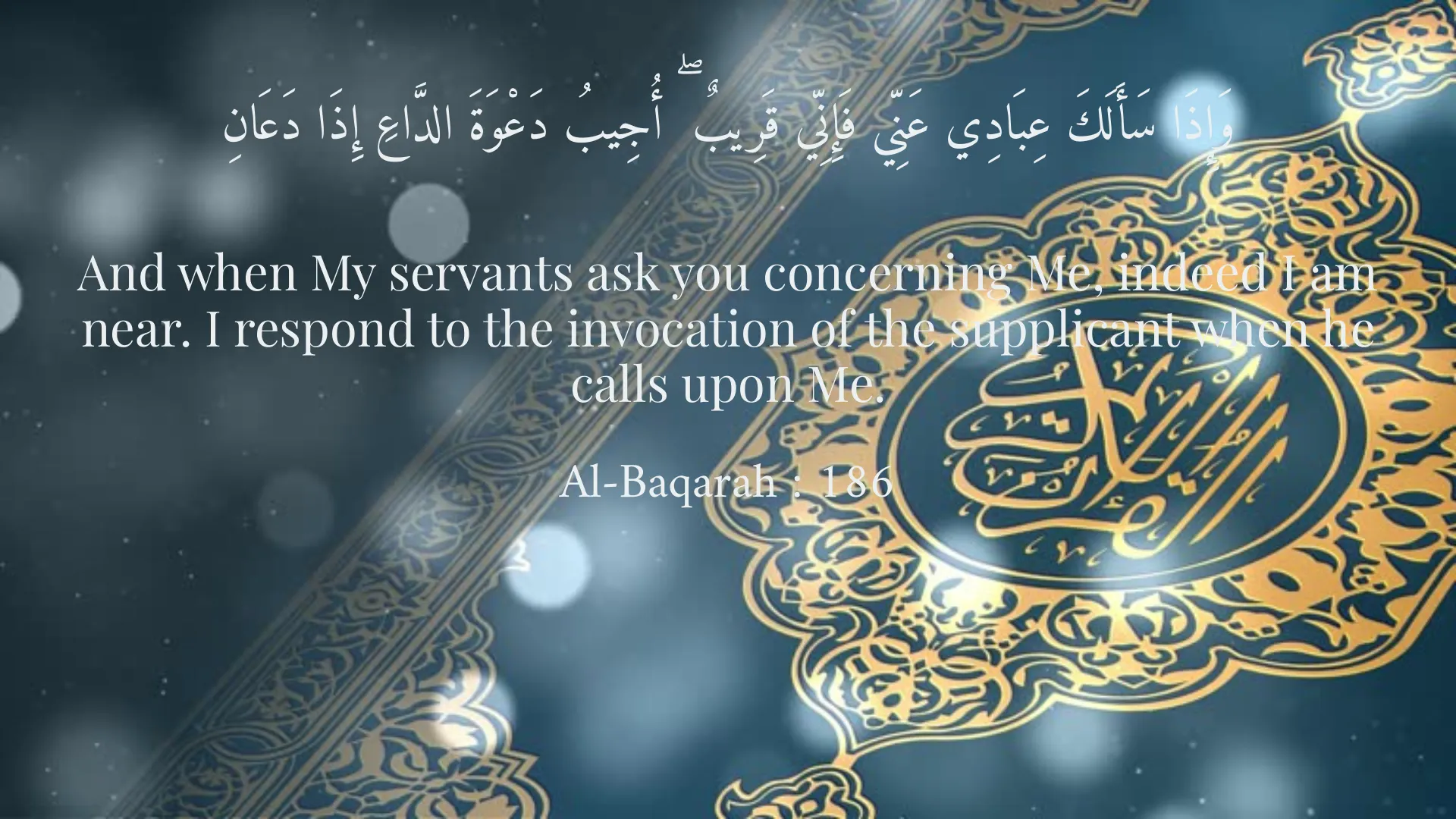
وَإِذَا سَأَلَكَ عِبَادِي عَنِّي فَإِنِّي قَرِيبٌ ۖ أُجِيبُ دَعْوَةَ الدَّاعِ إِذَا دَعَانِ
And when My servants ask you concerning Me, indeed I am near. I respond to the invocation of the supplicant when he calls upon Me.
Al-Baqarah : 186
فَإِذَا رَجَعْتَ إِلَى رَبِّكَ وَرَأَيْتَ قَدْ خَلَقَكَ عَلَى صُورَةٍ حَسَنَةٍ
So when you return to your Lord and see that He has created you in a beautiful form,
Ar-Rahman : 14
لَن تَنَالُوا الْبِرَّ حَتَّى تُنفِقُوا مِمَّا تُحِبُّونَ
Never will you attain the good characteristic until you spend in the way of that which you love.
Aal-E-Imran : 92
Short Story
One beautiful day, a young man named Amir was walking and reflecting on his life. He felt that he needed to change but didn't know how. He decided to turn to the Quran, and through studying its verses, he felt a profound impact within himself. One of the verses reminded him that he should practice love and generosity in his life. Consequently, he began helping those in need and fostering closer ties with his family. After some time, Amir noticed a greater sense of peace within him and felt he was moving towards his true self.