Quranic Answer
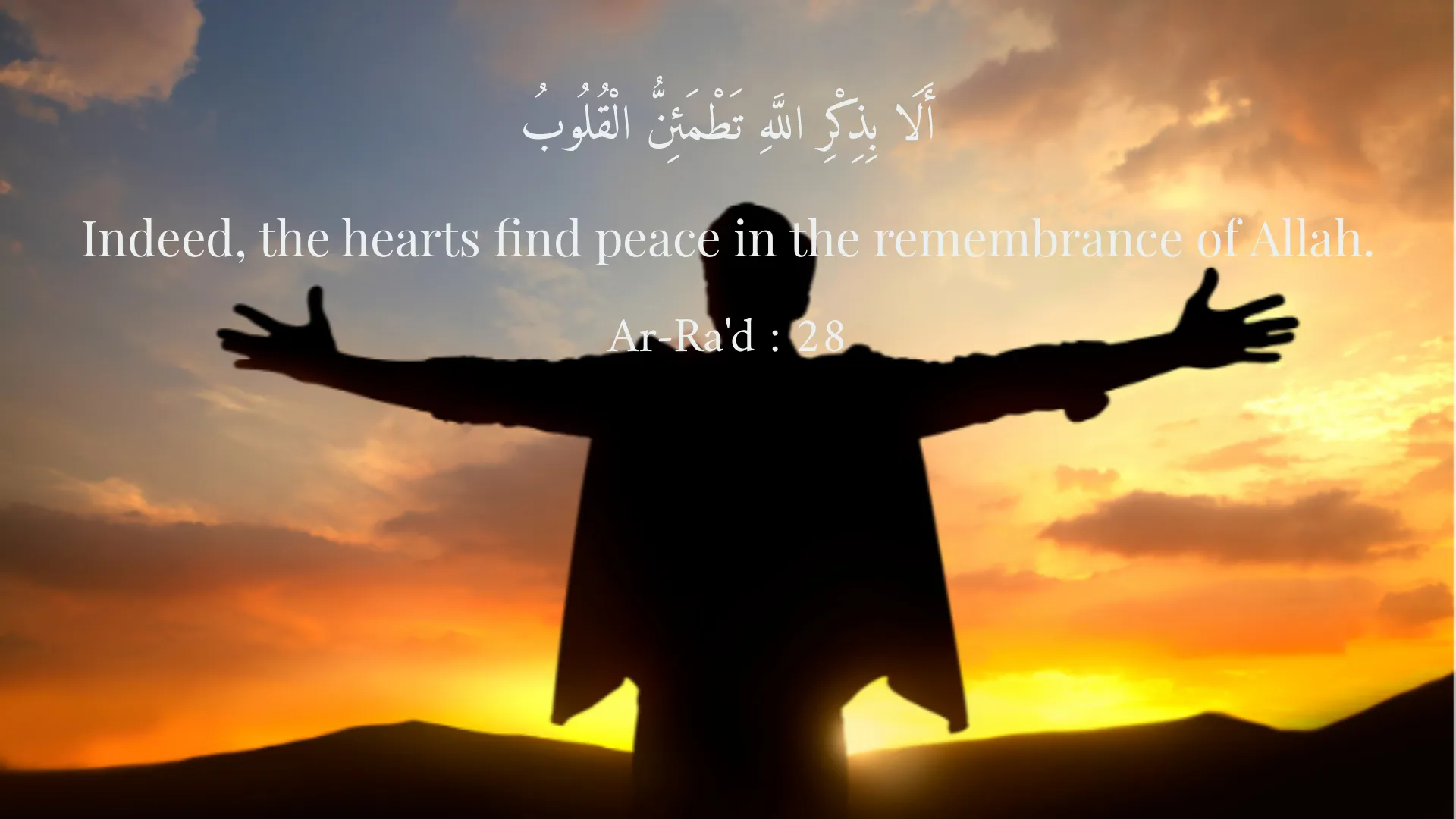
Happiness is a fundamental aspect of human existence, often regarded as one of the greatest blessings bestowed upon us by God. It serves as a cornerstone in various religious teachings, particularly in Islam, where the Holy Quran emphasizes its significance in guiding believers toward a fulfilling and joyful life. This article delves into the multifaceted dimensions of happiness as outlined in the Quran, exploring the essential connection between faith, righteous actions, and divine remembrance in achieving true contentment. To comprehend the Islamic perspective on happiness, it is vital to establish its definition. In a general sense, happiness can be described as a state of well-being and contentment that arises from fulfilling one's spiritual, emotional, and physical needs. In the Quran, happiness is not merely about temporary pleasures or worldly gains; instead, it is rooted in a deep and abiding relationship with God. This idea is poignantly expressed in Surah Ar-Ra'd, verse 28, where Allah states, "Indeed, the hearts find peace in the remembrance of Allah." This verse encapsulates the essence of peace and joy, highlighting that true happiness emanates from recognizing and connecting with the Divine. The central premise of achieving permissible happiness is the establishment of a relationship with God, which requires earnest worship and remembrance. Islamic teachings advocate for regular prayer, reflection, and supplication as means to strengthen this bond. By engaging in acts of worship, believers can cultivate a sense of tranquility and fulfillment that transcends the challenges of daily life. Remembrance of Allah acts as a balm for the heart, soothing the anxieties and stresses that often accompany human existence. When one's heart finds peace in the remembrance of God, it becomes more resilient in the face of life's adversities, paving the way for lasting happiness. In addition to fostering a relationship with God, the Quran encourages believers to adhere to His commands and engage in righteous actions. In Surah Al-Baqarah, verse 177, it is stated, "The best among you are those who do good deeds." This verse signifies that virtuous conduct, encompassing acts of charity, kindness, and empathy, plays a crucial role in enhancing one's happiness. Righteous actions not only contribute to personal contentment but also foster a sense of community and belonging. When individuals commit themselves to acts of goodness, they actively participate in uplifting others, creating an environment of positivity that ultimately circles back to enrich their own lives. Moreover, the Quran emphasizes the importance of preserving life, as articulated in Surah Al-Ma'idah, verse 32: "Whoever saves a life, it is as though he has saved all of humanity." This profound message illustrates that the pursuit of happiness extends beyond oneself to encompass the welfare of others. By striving to safeguard lives and properties, individuals contribute to the establishment of a healthy and secure society, reinforcing the notion that collective well-being is integral to personal happiness. The commitment to social responsibility through charity and support for those in need amplifies the sense of fulfillment that arises from knowing one is making a positive impact in the world. The interconnected nature of faith, righteous deeds, and mutual support presents a comprehensive framework for understanding true happiness in Islam. It is crucial to point out that the Quran's teachings advocate for halal sources of happiness, which means engaging in activities and enjoying experiences permissible within the boundaries set by Islamic law. Consequently, individuals are encouraged to seek joy in manners that do not conflict with their spiritual responsibilities or ethical guidelines. By embracing halal forms of happiness, believers can cultivate sustainable joy that aligns harmoniously with their faith. Social interactions and community involvement further enrich the experience of happiness. The Quran incentivizes believers to create and nurture bonds of solidarity, empathy, and understanding within society. Acts of kindness, such as greeting others with a smile or offering help to those in distress, evoke a sense of belonging and camaraderie. When individuals come together to share in their joys and support one another through hardships, they forge connections that act as a foundation for collective happiness. Furthermore, the role of gratitude cannot be overstated in the pursuit of happiness. The Quran repeatedly emphasizes thankfulness as a divine command, and fostering an attitude of gratitude can significantly enhance one's perspective on life. By maintaining an appreciation for the blessings in life, whether they be simple daily occurrences or profound experiences, individuals can cultivate a mindset that recognizes and celebrates the beauty of existence. This attitude fosters resilience, enabling one to navigate challenges with a sense of hope and positivity. In conclusion, happiness is indeed one of God's great blessings, as outlined within the teachings of the Holy Quran. Achieving true and permissible happiness requires establishing a deep connection with the Divine through remembrance, adhering to God's commands, and engaging in righteous actions. By embracing halal sources of joy, contributing to the well-being of others, and fostering a sense of gratitude, individuals can attain a lasting and meaningful sense of happiness in their lives. Ultimately, the pursuit of joy in an Islamic context is a holistic endeavor, intertwining faith, action, and community spirit, all aimed at securing a fulfilling life that reflects the essence of divine blessings.
Related Verses
أَلَا بِذِكْرِ اللَّهِ تَطْمَئِنُّ الْقُلُوبُ
Indeed, the hearts find peace in the remembrance of Allah.
Ar-Ra'd : 28
لَيسَ الْبِرَّ أَن تُوَلُّوا وَجُوهَكُمْ قِبَلَ الْمَشْرِقِ وَالْمَغْرِبِ وَلَكنَّ الْبِرَّ مَن آمَنَ بِاللَّهِ وَالْيَوْمِ الْآخِرِ وَالْمَلَائِكَةِ وَالْكِتَابِ وَالنَّبِيِّينَ وَآتَى الْمَالَ عَلَى حُبِّهِ ذَوِي الْقُرْبَى وَالْيَتَامَى وَالْمَسَاكِينِ وَابْنَ السَّبِيلِ وَالسَّائِلِينَ وَفِي الرِّقَابِ وَأَقَامَ الصَّلَاةَ وَآتَى الزَّكَاةَ وَالْمُوفُونَ بِعَهْدِهِمْ إِذَا عَاهَدُوا وَالصَّابِرِينَ فِي الْبَأْسَاءَةِ وَالضَّرَّاءَ وَحِينَ الْبَأْسِ أُولَـئِكَ الَّذِينَ صَدَقُوا وَأُولَـئِكَ هُمُ الْمُتَّقُونَ
Righteousness is not that you turn your faces toward the east or the west, but [true] righteousness is in one who believes in Allah, the Last Day, the Angels, the Book, and the Prophets and gives his wealth, in spite of his love for it, to relatives, orphans, the needy, the traveler, those who ask [for help], and for freeing slaves; and [who] establishes prayer and gives zakah; [those who fulfill their promise when they promise] and when they are patient in hardship and during battle. Those are the ones who have been true, and it is those who are the righteous.
Al-Baqarah : 177
مَن قَتَلَ نَفْسًا بِغَيْرِ نَفْسٍ أَوْ فَسَادٍ فِي الْأَرْضِ فَكَأَنَّمَا قَتَلَ النَّاسَ جَمِيعًا ۚ وَمَن أَحْيَاهَا فَكَأَنَّمَا أَحْيَا النَّاسَ جَمِيعًا ۗ وَلَقَدْ جَاءَتْهُمْ رُسُلُنَا بِالْبَيِّنَاتِ ثُمَّ إِنَّ كَثِيرًا مِّنْهُمْ بَعْدَ ذَٰلِكَ فِي الْأَرْضِ لَمُسْرِفُونَ
Whoever kills a soul unless for a soul or for corruption [done] in the land - it is as if he had slain mankind entirely. And whoever saves one - it is as if he had saved mankind entirely.
Al-Ma'idah : 32
Short Story
One day, a man walked to the market with a heavy heart. On his way, he met a needy person and decided to help him. He gave him some money and noticed the smile on his face. He felt that this good deed not only changed the life of that person but also brought him joy and peace. He realized that true happiness comes from good deeds and connecting with others.