Quranic Answer
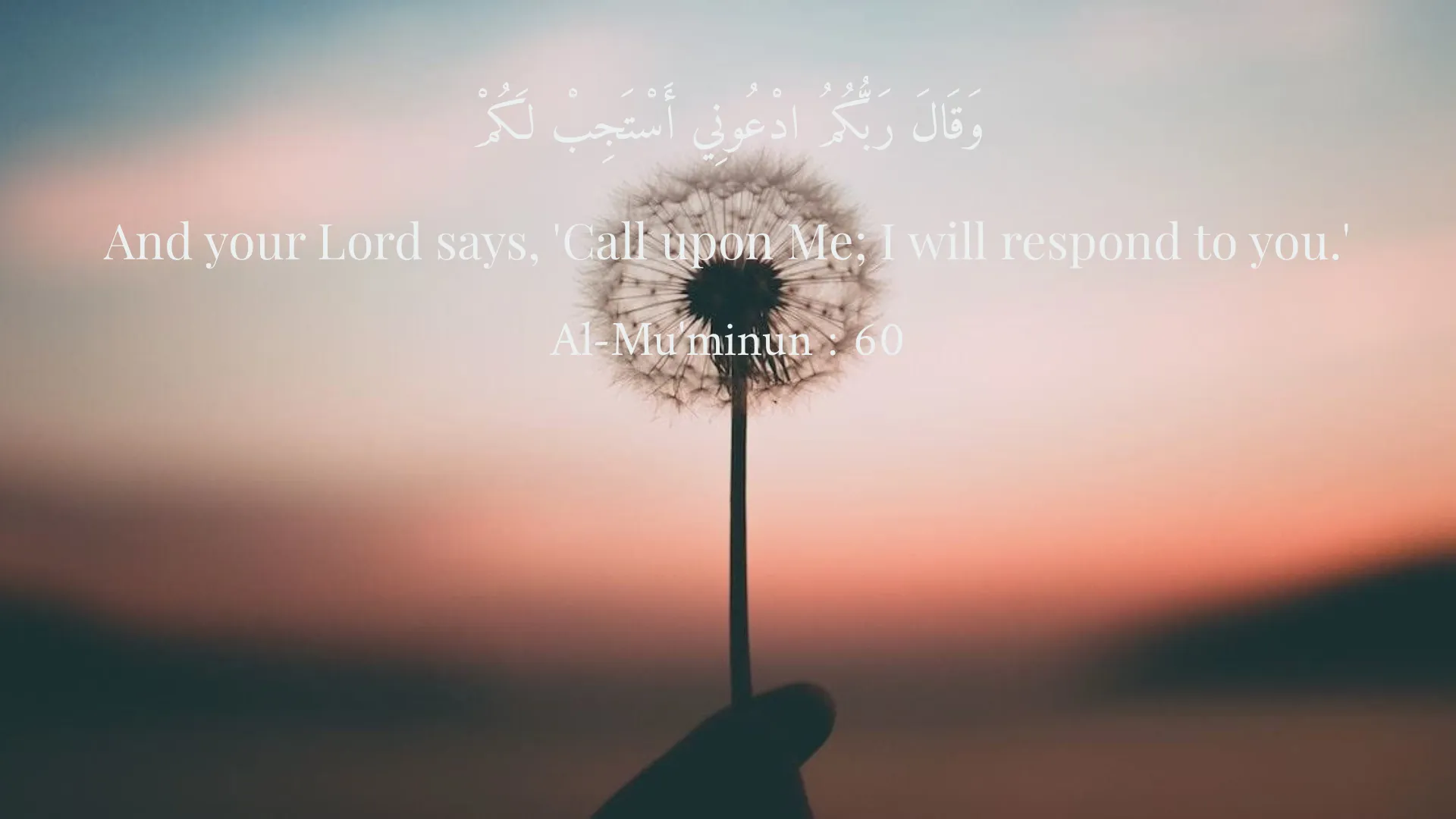
In the Holy Quran, prayer is highlighted as a vital means of connecting with God and seeking His assistance. This act of devotion is not merely a ritual but a profound expression of one's faith, a channel through which believers communicate their innermost thoughts, desires, and fears to the Creator. From ancient times, prayer has served as a universal practice across cultures and religions, embodying the fundamental human quest for meaning, solace, and guidance. In Islam, prayer—or Salah—is one of the Five Pillars and thus holds paramount importance for the socio-spiritual fabric of the Muslim community. The significance of prayer in Islam is intricately illustrated in Surah Al-Mu'minun, verse 60, where Allah states: 'And your Lord says, 'Call upon Me; I will respond to you.'' This beautiful verse emphasizes the personal relationship each believer can cultivate with God. It reflects the idea that God is always accessible, urging followers to reach out to Him in moments of need. When believers approach God with a sincere heart and a broken spirit, they find solace and support in His compassionate embrace. This harmonious relationship serves as a reminder of God's constant presence in our lives, instilling hope and faith. Life is filled with trials and tribulations that can overwhelm and dishearten even the most steadfast individuals. In moments of despair, prayer becomes a lifeline, enabling individuals to express their pain and seek divine intervention. The act of pouring out one's heart in prayer is cathartic, providing relief from emotional burdens. Research supports this notion, indicating that spiritual practices, including prayer, can lead to decreased anxiety and improved mental health. The psychological benefit of prayer is evident; it allows individuals to cope with life's challenges and to navigate their emotional landscapes with greater ease. Additionally, in Surah Al-Baqarah, verse 186, God promises: 'And when My servants ask you concerning Me, indeed I am near.' This statement underscores the concept that God is not confined by physical distance but is acutely aware of His creation's ongoing affairs. This idea fosters a sense of intimacy and closeness, encouraging believers to continually communicate their thoughts and feelings through prayer. No thought is too insignificant, nor request too trivial; God is attentive to the needs of His people. Moreover, prayer transcends the notion of a mere plea for help; it also serves as an avenue for gratitude and reflection. During prayer, individuals may recount their blessings and express gratitude for what they have received, thereby cultivating a spirit of appreciation. This attitude of gratitude is vital for fostering contentment and happiness in life. It aligns with psychological principles which indicate that practicing gratitude can lead to improved emotional well-being, reduced depression, and increased life satisfaction. Therefore, it is essential to incorporate moments of thankfulness within our prayers, reinforcing our connection with the Divine and nurturing positive feelings. Prayer is not only an act of worship but also a powerful tool for calming our spirit and soul, allowing believers to realign their thoughts and emotions. In a fast-paced world, where distractions abound and stress levels soar, dedicating time for prayer offers a necessary respite. It encourages mindfulness and present-moment awareness, two essential aspects of psychological well-being. Engaging in prayer during trying times can serve as a grounding mechanism, helping individuals to navigate life’s complexities with a clearer mind and a steadier heart. Furthermore, the communal aspect of prayer—how it strengthens the bonds within a community—cannot be overlooked. Collective prayer, whether in a mosque or within the family, serves to unify individuals and foster a sense of belonging. When believers come together to pray, it reinforces social ties and nurtures a spirit of mutual support. The act of collective worship thus creates a safe space where individuals can share their struggles and successes, fostering empathy and understanding within the community. In addition to the mental and emotional benefits, prayers also promote a sense of purpose and direction. When individuals articulate their hopes and desires to God, it provides them with clarity on their intentions. This practice of self-reflection can lead one to discover their life's purpose, creating a roadmap for personal growth and achievement. It is crucial to remember that prayers must be offered with certainty and genuine faith. When you pray joyfully and with a pure intention, you will undoubtedly feel an uplifting of your spirit. Believers are encouraged to approach prayer as a sincere dialogue with God, one that is characterized by humbleness and devotion. The authenticity of one’s prayers directly impacts the depth of the spiritual experience. It prompts believers to be honest about their struggles and dreams, deepening the relationship they have with their Creator. In doing so, they are likely to experience the peace and strength that Almighty God grants to face life's challenges. As one engages deeply with the practice of prayer, the miraculous essence of divine connection begins to unfold. Many believers report transformative moments where they feel an indescribable sense of peace and assurance during their prayers. This empowerment fuels their journey through life, allowing them to embrace challenges with resilience and hope. Thus, prayer serves as more than a spiritual obligation; it is a vital component of a fulfilling and meaningful life. In conclusion, prayer stands as one of the most profound aspects of the Islamic faith, acting as a bridge connecting believers with their Creator. Through sincere communication, individuals find solace, comfort, and strength to navigate life's tumultuous waters. The significance of prayer reverberates in various aspects of mental and emotional well-being, enhancing individuals' quality of life and nurturing a spirit of gratitude and purpose. Whether as a means of seeking assistance, expressing gratitude, or deepening one’s spiritual connection, prayer remains a timeless tool for cultivating peace and fulfillment in life's journey. As believers, it is essential to embrace the transformative power of prayer, integrating it into daily life to foster a deeper relationship with God and achieve a harmonious state of being. Ultimately, as Allah promises, He is near, always ready to listen and respond to those who reach out to Him with sincerity.
Related Verses
وَقَالَ رَبُّكُمُ ادْعُونِي أَسْتَجِبْ لَكُمْ
And your Lord says, 'Call upon Me; I will respond to you.'
Al-Mu'minun : 60
وَ إِذَا سَأَلَكَ عِبَادِي عَنِّي فَإِنِّي قَرِيبٌ
And when My servants ask you concerning Me, indeed I am near.
Al-Baqarah : 186
Short Story
One day, a man felt joy and contentment in his heart and decided to pray more often. As he began to pray, he felt many burdens lifted off his shoulders, and his life improved. He realized that prayer not only had a positive impact on his spirit but also led to a transformation in his life.