Quranic Answer
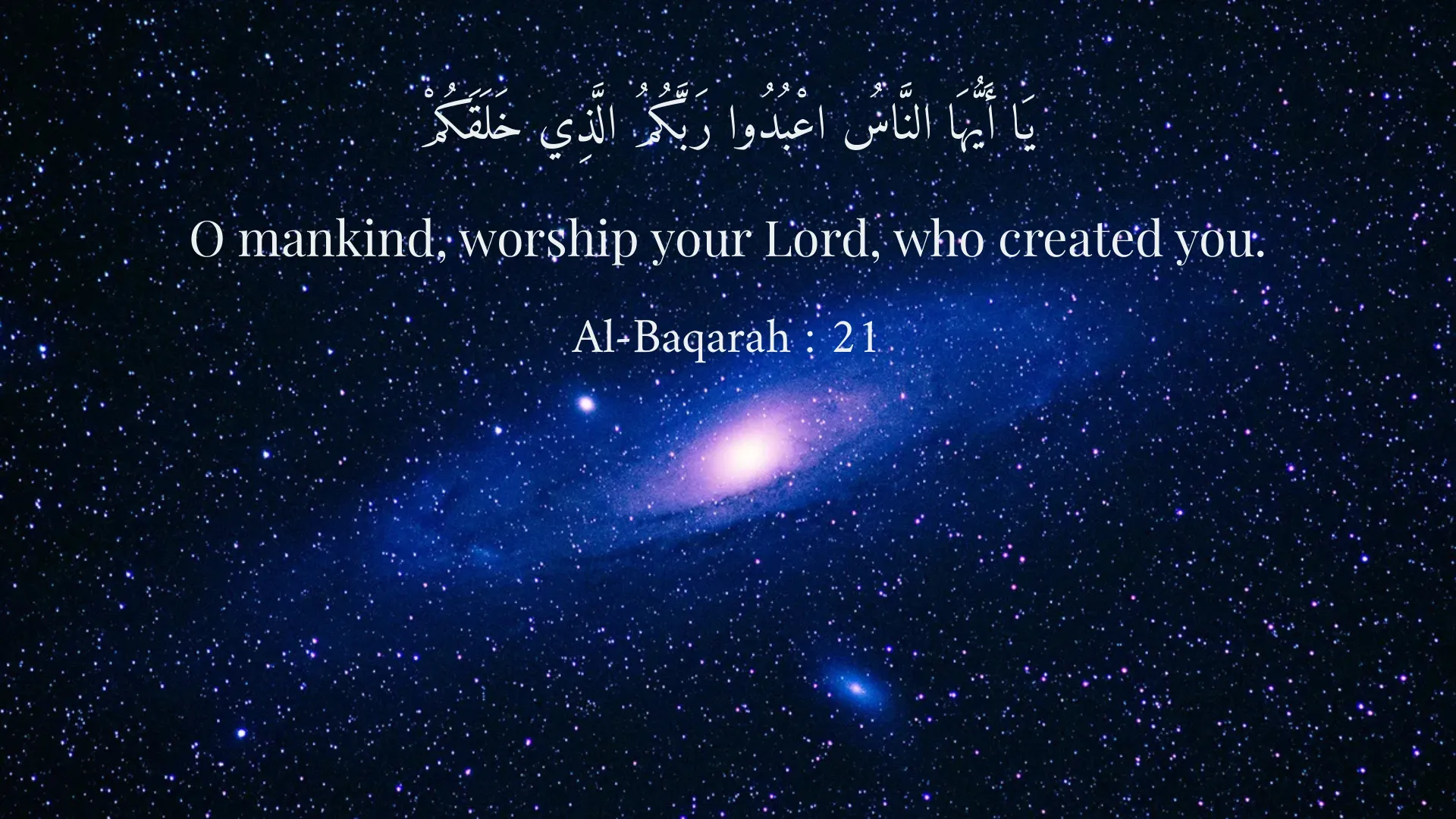
To make our lives divine, the first and foremost step is to pay attention to God and establish a close relationship with Him. This foundational aspect is highlighted in many religious texts, with the Quran serving as a pivotal guide for Muslims seeking to enhance their spiritual lives. The Quran emphasizes the importance of knowing and worshiping God, presenting a pathway to achieving a divine existence. Individuals are invited to reflect upon their relationship with the Creator and to cultivate this relationship as a means of forming a more ethical and principled life. In Surah Al-Baqarah, verse 21, it states: 'O mankind, worship your Lord, who created you.' This verse serves as a reminder of our purpose and the divine origins of our existence. It transcends mere acknowledgment and beckons us to build our lives based on divine principles. Through knowledge and worship of God, believers are encouraged to foster a connection that is both intimate and respectful. Moreover, establishing a relationship with God goes beyond worship; it encompasses understanding His attributes and manifestations in the world around us. Engaging in prayer, studying religious texts, and participating in communal worship are vital elements that help deepen this relationship. When we make time to focus on God, we naturally begin to align our actions with His teachings, which inherently promotes a more divine lifestyle. Additionally, Surah Al-Imran, verse 102, states: 'O you who have believed, fear Allah and be conscious of Him.' This verse emphasizes that piety and adherence to His commands are essential for leading a fulfilled life. It highlights an awareness of God in every aspect of our lives—a consciousness that fuses spirituality with our daily activities. Recognizing the omnipresence of God inspires a sense of accountability and encourages believers to strive towards ethical behavior, which is pivotal in achieving a divine existence. The second crucial step towards making our lives divine is to act kindly towards others and uphold ethics. Surah Al-Maidah, verse 32 illustrates this beautifully: 'Whoever saves one [life] saves all of humanity.' This verse underscores the interconnectedness of human life, emphasizing that each act of kindness contributes to the betterment of society and aligns with the divine nature we aspire to. Kindness is a universal principle that transcends cultural and religious boundaries. It encourages love, compassion, and mutual respect among individuals. By fostering such relationships and engaging in good deeds, we not only enhance our lives but also help facilitate a divine atmosphere in our surroundings. Moreover, embracing kindness should become an intrinsic part of our identity. This means extending compassion not only to family and friends but also to strangers, as each individual we encounter is deserving of respect and dignity. Practicing generosity, volunteering for community service, and standing against injustice are practical steps that reinforce these ideals. Such actions lead to a ripple effect, inspiring others to partake in the joy of kindness and compassion, thereby collectively elevating humanity. Incorporating ethical principles into our daily lives is not just about avoiding wrongdoing; it also involves actively seeking ways to contribute positively to those around us. Upholding honesty in our actions, integrity in our dealings, and empathy in our interactions aligns with a divine conduct that reflects our loyalty to God and His teachings. When we act ethically, we not only elevate our own state but also inspire others to mirror such behavior, thus spreading the values of goodwill and righteousness. Furthermore, fulfilling religious obligations like prayer, fasting during Ramadan, and honoring family and parents are also crucial aspects of leading a divine life. Observing these rituals serves as a means of reaffirming our commitment to God. Regular prayer nurtures the relationship between an individual and the Divine, while fasting cultivates self-discipline and empathy for the less fortunate. The act of fasting, particularly, is a profound reminder of the blessings one often takes for granted and instills gratitude within our hearts. Creating a nurturing environment for family and upholding the dignity of one's parents holds substantial weight in many religious teachings. The Quran and various Hadiths articulate the importance of family ties, urging individuals to honor their parents and maintain familial relationships. Such obligations extend beyond physical support; they encompass emotional sustenance, respect, and love. Strengthening family bonds contributes significantly to the overall harmony and divine quality of our lives. Additionally, surrounding oneself with people who share similar values and ideals can catalyze personal growth and inspire one to lead a more divine life. Engaging in discussions about faith, morality, and ethics can brighten one's spiritual path. Just as important, participating in community gatherings aligned with shared beliefs serves to remind individuals of their purpose and the collective journey toward spiritual elevation. Overall, the pursuit of a divine life comprises a harmonious balance of worshiping God, upholding ethical principles, and performing good deeds. Through worship, we connect with the Divine, grounding us in faith and purpose. Ethical behavior shapes our daily interactions, ensuring that our actions reflect our belief in a higher power. Finally, performing good deeds not only enhances our lives but also ignites the potential for holistic improvements in our communities. In conclusion, to transform our lives into a divine existence, we need to diligently pursue a relationship with God while embodying the principles of kindness and ethics in our everyday actions. This threefold approach serves as the cornerstones for a fulfilled, meaningful life aligned with divine guidance. By committing to these principles, we can illuminate our own lives and, in turn, contribute to a more compassionate and loving world.
Related Verses
يَا أَيُّهَا النَّاسُ اعْبُدُوا رَبَّكُمُ الَّذِي خَلَقَكُمْ
O mankind, worship your Lord, who created you.
Al-Baqarah : 21
يَا أَيُّهَا الَّذِينَ آمَنُوا اتَّقُوا اللَّهَ وَكُونُوا مَعَ الصَّادِقِينَ
O you who have believed, fear Allah and be conscious of Him.
Al-Imran : 102
مَن أَحْيَاهَا فَكَأَنَّمَا أَحْيَا النَّاسَ جَمِيعًا
Whoever saves one [life] saves all of humanity.
Al-Maidah : 32
Short Story
Once upon a time, there was a man named Ali who had become engrossed in his daily life and had forgotten about God. One day, he decided to visit a religious scholar. The scholar kindly guided him, saying, "To make your life divine, you need to strengthen your faith and deepen your connection with God." Ali took the scholar's words to heart and returned home. From that day on, he enriched his life with prayers and supplications and sought to help others. He felt a newfound peace and happiness in his life.