Quranic Answer
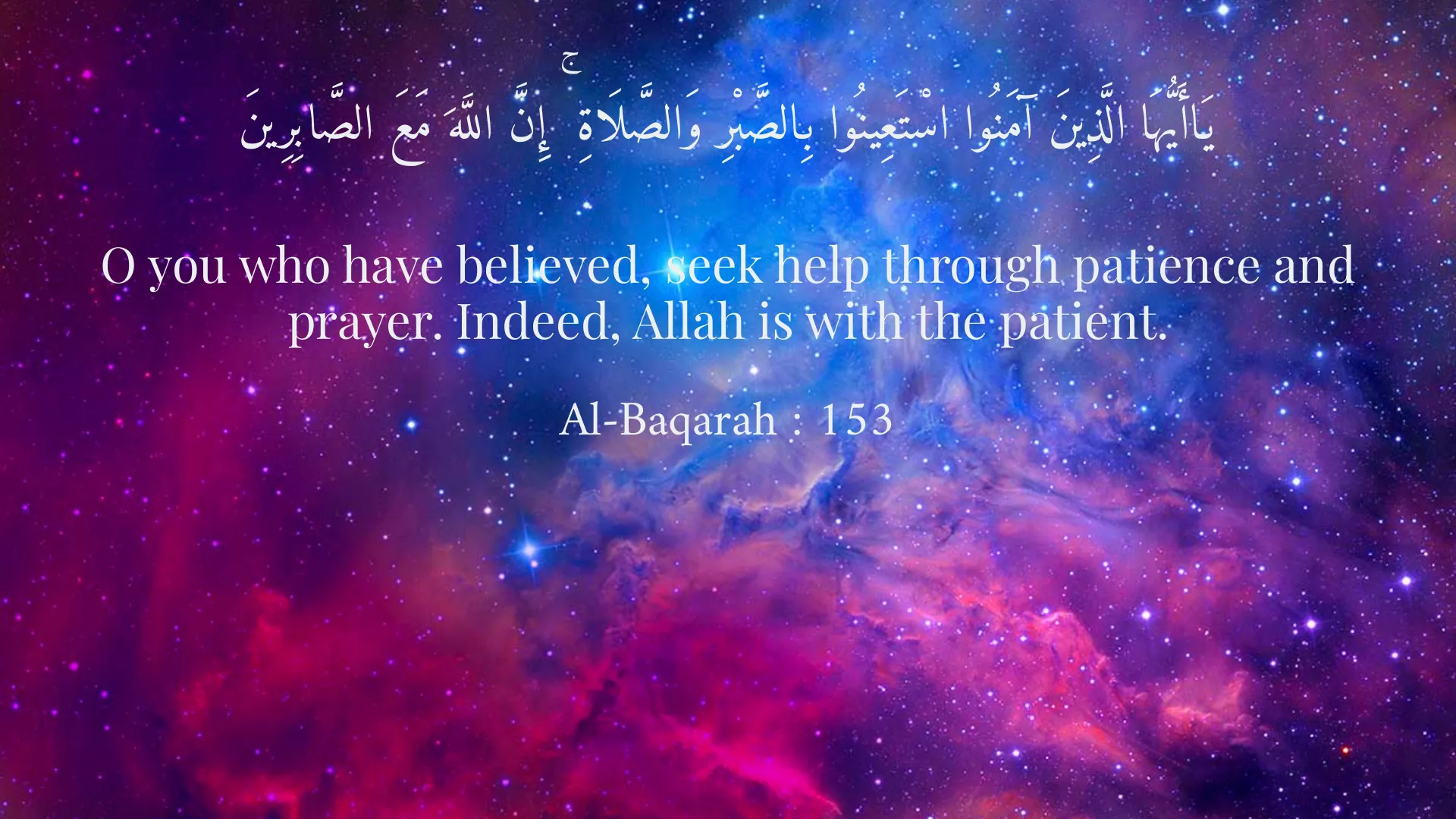
Mental fatigue is an issue we often face in our daily lives. It can manifest as a sense of tiredness, a lack of motivation, and difficulties in concentrating. This fatigue is not just limited to physical exertion; it can also be deeply psychological, draining our emotional reserves and affecting our spiritual well-being. In this chaotic world, filled with various responsibilities and pressures, mental fatigue can overwhelm us, pushing us to seek enlightenment and relief. The Holy Quran, a timeless guide for personal and communal guidance, offers methods to combat mental fatigue and foster spiritual peace. Through its profound teachings, believers can discover avenues of solace and strength amidst their struggles. One of the key teachings found in the Quran is the importance of patience and prayer. In Surah Al-Baqarah, verse 153, Allah reminds believers to 'seek help through patience and prayer; indeed, Allah is with the patient.' This verse serves as a powerful reminder that during times of distress and overwhelming fatigue, turning to God can provide much-needed strength. When facing challenges, practitioners of Islam are encouraged to turn their hearts in supplication to Allah. This is not merely an act of asking for help; it is a profound acknowledgment of one's vulnerability and the recognition of a higher power. There is immense comfort in knowing that Allah is aware of our struggles, and through prayer, we find the capacity to endure. Prayer also acts as a moment of respite in our busy lives, allowing individuals to pause, reflect, and reinvigorate their minds and spirits. Everything around us may be tumultuous, but establishing a connection with God through prayer anchors us. It is a time when we can express our thoughts, fears, and desires, alleviating the burdens weighing on our minds. Moreover, the Quran emphasizes that the act of remembering Allah plays a crucial role in alleviating stress and fatigue. Surah Ar-Ra’d, verse 28, states, 'Indeed, it is in the remembrance of Allah that hearts find rest.' This statement highlights the peace that comes with engaging in the remembrance of God. By invoking Allah, we can release feelings of anxiety and stress that tend to accumulate over time. The practice of engaging in dhikr (remembrance of God) can take various forms, such as reciting certain verses from the Quran, repeating the names of Allah, or simply reflecting on His attributes. These practices contribute to a meditative state that calms the mind, and as a result, it can significantly reduce feelings of mental fatigue. Thus, integrating the remembrance of Allah into our daily routines serves as a natural antidote to the stresses we face. In addition to establishing a connection with God, meaningful social interactions and acts of kindness toward others are pivotal in diminishing feelings of fatigue. Throughout the Quran, numerous verses underscore the importance of love, compassion, and friendship among people. Engaging with our community and fostering positive relationships can be incredibly uplifting. When we extend our hands to help those in need or offer support to friends and family, we not only brighten their lives but also enhance our mental well-being. Acts of charity and service hold unique power in combating feelings of isolation or fatigue. They remind us of our shared humanity and the importance of connection. Additionally, by shifting our focus from our struggles to the needs of others, we can find renewed purpose and motivation—building a sense of fulfillment that invigorates the soul. Another vital aspect discussed in the Quran is the pursuit of mental tranquility through the recitation of its verses and spiritual invocations. Many verses serve as sources of inspiration and hope, reminding believers of the transient nature of earthly challenges. When recited with sincerity, the Quran acts as a balm for the tired spirit, providing much-needed reassurance. Reciting the Quran can lead to mental clarity and spiritual reflection. It encourages practitioners to embrace gratitude, patience, and understanding. The rhythmic beauty and profound message of each verse can soothe a weary mind, erasing remnants of fatigue and replacing them with hope and peace. Lastly, the Quran provides guidance on the importance of avoiding sinful behavior and strengthening one's connection with Allah. Entering a state of mental fatigue can sometimes arise from actions that stray from spiritual teachings. The Quran advises believers to engage in self-reflection, which can lead to personal growth and a healthier mindset. Abstaining from sin and reorienting towards righteousness fosters spiritual strength and mental clarity. By cultivating these virtues and staying aligned with one's faith, a believer can shield themselves from the mental anguish that comes from guilt or disconnection from God. Establishing a robust connection with Allah through righteous deeds and sincere worship can create a solid foundation against the trials of life. In conclusion, overcoming mental fatigue requires a holistic approach encompassing spiritual, emotional, and social well-being. The teachings of the Holy Quran provide profound insights and strategies for believers seeking solace and strength amid life's challenges. Through patience, prayer, remembrance of Allah, community engagement, acts of kindness, and a commitment to righteousness, individuals can achieve a profound sense of peace. Addressing mental fatigue is not just about coping with stress; it is about establishing a living connection with our Creator and embracing the supportive bonds of community. Seeking assistance from Allah and adhering to Quranic principles can lead us toward effective and sustainable methods of overcoming mental fatigue, leading to a balanced and fulfilling life.
Related Verses
يَاأَيُّهَا الَّذِينَ آمَنُوا اسْتَعِينُوا بِالصَّبْرِ وَالصَّلَاةِ ۚ إِنَّ اللَّهَ مَعَ الصَّابِرِينَ
O you who have believed, seek help through patience and prayer. Indeed, Allah is with the patient.
Al-Baqarah : 153
أَلَا بِذِكْرِ اللَّهِ تَطْمَئِنُّ الْقُلُوبُ
Indeed, it is in the remembrance of Allah that hearts find rest.
Ar-Ra’d : 28
Short Story
Once upon a time, a man named Ali was suffering greatly from mental fatigue. He decided to go to the mosque one day and pray. After his prayer, he felt his heart calm and his mind clearer. He realized that by remembering God and praying, he could overcome all difficulties. From that day on, Ali recited a special prayer every day and kept the remembrance of Allah in his heart.