Quranic Answer
Narcissism, characterized by excessive self-love and an inflated sense of self-importance, is a trait condemned within various religious teachings, especially in the Quran. This ancient text emphasizes the dangers of pride and arrogance, reminding individuals that such qualities detract from the path of righteousness. The multifaceted exploration of narcissism within the Quran presents a nuanced understanding of virtues such as humility and modesty, which stand in stark contrast to self-importance. The Quran serves as a guiding light for millions of believers, providing insights on how to lead a life aligned with divine teachings. One of the recurring themes within its verses is the condemnation of narcissism. Allah warns against the perils of self-importance, standing firmly against the idea that knowledge or virtue can create a social hierarchy among individuals. For instance, in Surah Al-Baqarah, verse 206, Allah admonishes those who take pride in their knowledge, indicating that arrogance based on one’s understanding can lead to severe spiritual misguidance. This verse serves as a reminder that knowledge should not become a tool for self-aggrandizement but rather a means to aid others and fulfill one’s responsibilities. In Surah Luqman, verse 18, Allah further addresses the attributes of those who exhibit pride and superiority, stating, 'And turn not your face away from people.' This verse underscores the essential lesson that even those who possess valuable virtues should not allow themselves to become boastful. The inherent message prompts believers to foster a spirit of humility, engaging with others respectfully and recognizing their humanity. This directive is particularly pertinent in today’s society, where social media often amplifies narcissistic tendencies, allowing people to showcase their accomplishments in a self-promoting manner. Moreover, Surah Al-Hujurat, verse 11 emphasizes community dynamics and the importance of mutual respect: 'O you who have believed, let not a people ridicule [another] people.' This verse highlights that the essence of greatness in the eyes of Allah is not determined by external appearances, wealth, or societal status, but rather through piety and righteous actions. By reminding believers to avoid ridicule, the Quran promotes societal harmony and urges individuals to refrain from positioning themselves above others, reinforcing the concept that humility fosters community cohesion. To liberate ourselves from the chains of narcissism, it is crucial that we actively seek out admirable traits that enhance our character and promote respect for others. Engaging in prayer, supplication, and seeking refuge in Allah serves as a means of cleansing our hearts from the shackles of self-importance. These spiritual practices encourage believers to reflect on their intentions, guiding them back to the essence of their faith and personal development. Furthermore, studying the lives of prophets and righteous individuals provides invaluable lessons in humility and modesty. The trials and tribulations faced by these figures highlight their unwavering commitment to their values and the importance of serving others selflessly. For example, the life of the Prophet Muhammad (peace be upon him) exemplifies a commitment to humility despite his significant status. He lived a life centered around service, compassion, and empathy, embodying the principles outlined within the Quran. His actions serve as a reminder that true greatness is achieved through kindness rather than domination. Additionally, acknowledging the flaws and shortcomings inherent in every individual promotes a culture of open-mindedness and humility. Recognizing that everyone has their struggles and weaknesses facilitates a compassionate approach to interpersonal relationships. Instead of elevating ourselves above others, a humble perspective encourages us to connect authentically, fostering environments of support and understanding. It is also essential to note that narcissism, when left unchecked, can create barriers not only in personal relationships but also within communities and societies at large. By emphasizing self-importance over collective well-being, individuals contribute to societal discord and division. Thus, counteracting narcissism not only benefits personal growth but is also crucial for nurturing harmonious communities. In conclusion, the Quran provides profound insights into the detrimental effects of narcissism and underscores the significance of humility and modesty. By engaging with its teachings and striving for spiritual growth, individuals can navigate the challenges of pride and embrace a life rooted in respect, compassion, and service to others. The journey towards freeing ourselves from narcissistic tendencies involves reflective practices and a commitment to personal development. Ultimately, it is through recognizing our shared humanity and fostering a spirit of humility that we can sincerely elevate ourselves in the sight of Allah and live virtuous lives. By embodying the principles taught in the Quran, we can not only enrich our own lives but also contribute positively to the lives of others, creating a world where kindness and respect prevail over arrogance and self-importance.
Related Verses
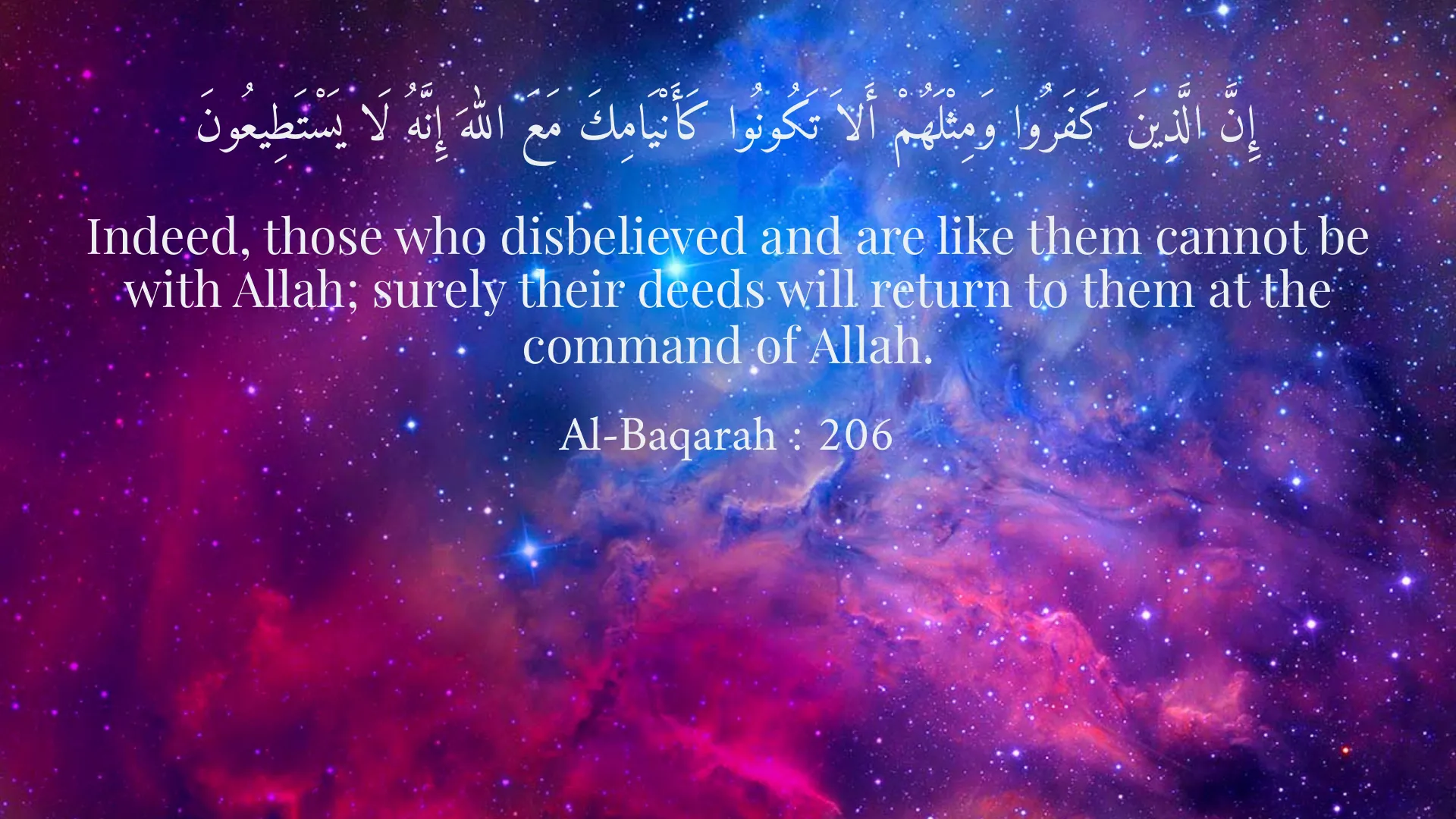
إِنَّ الَّذِينَ كَفَرُوا وَمِثْلَهُمْ أَلاَ تَكُونُوا كَأَنْيَامِكَ مَعَ اللهَ إِنَّهُ لَا يَسْتَطِيعُونَ
Indeed, those who disbelieved and are like them cannot be with Allah; surely their deeds will return to them at the command of Allah.
Al-Baqarah : 206
وَلَا تَصْفَرْ خَدَّكَ عَنِ النَّاسِ
And turn not your face away from people.
Luqman : 18
يَا أَيُّهَا الَّذِينَ آمَنُوا لا يَسْخَرْ قَوْمٌ مِّن قَوْمٍ عَسَى أَن يَكُونُوا خَيْرًا مِّنْهُمْ
O you who have believed, let not a people ridicule [another] people; perhaps they may be better than them.
Al-Hujurat : 11
Short Story
One day, a man named Sajjad was pondering how he could rid himself of his narcissism and pride. He recalled the verses of the Quran and decided to pray for forgiveness from Allah, committing to practice more humility. After a while, he noticed that he had a more pleasant attitude towards others, and his life became richer.