Quranic Answer
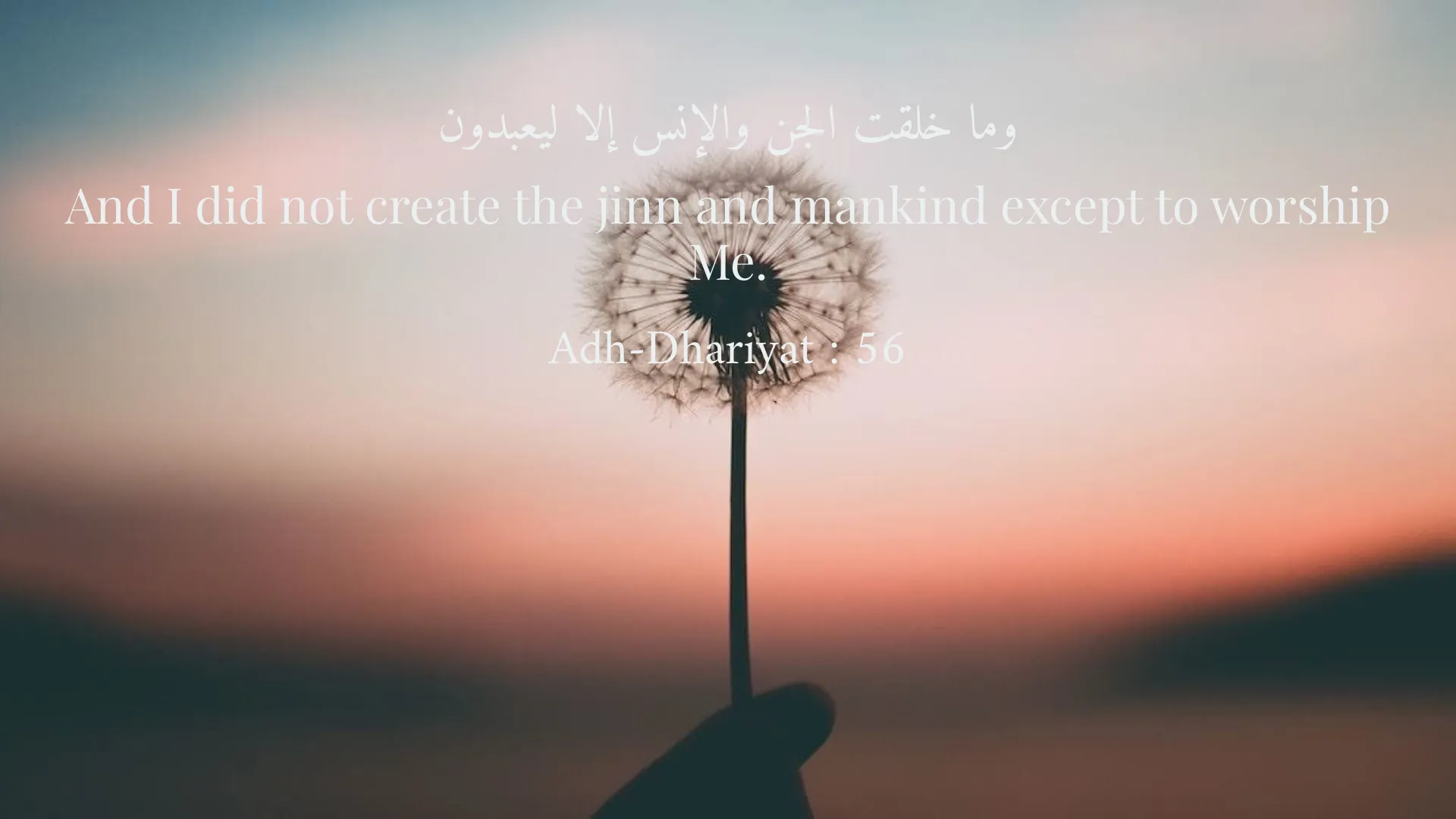
In the Holy Quran, life is viewed as a significant opportunity for servitude and drawing closer to God. This perspective on life offers profound insights that can guide believers in understanding their purpose and mission during their worldly existence. In a world filled with distractions and challenges, recognizing the purpose of life as a means of worship allows individuals to align their actions with divine expectations and find deeper meaning in every moment of their existence. Numerous verses throughout the Quran emphasize the importance of worship and servitude to Allah, framing them as the fundamental essence of human life. For instance, in Surah Adh-Dhariyat, verse 56, Allah articulates the divine intention behind creation: "And I did not create the jinn and mankind except to worship Me." This verse serves as a cornerstone of understanding our existence, illustrating that the primary purpose behind the creation of humans and jinn is not merely existence itself but servitude to God. Moreover, in Surah Al-Baqarah, verse 21, the Quran calls upon mankind to recognize their duty toward their Creator: "O mankind, worship your Lord, who created you and those before you, that you may become righteous." This specific verse underlines the concept that servitude extends beyond the mere act of obedience to God; it is closely tied with the nurturing of piety and righteousness. By engaging in worship, individuals can develop a sense of moral and ethical awareness that shapes their character and interactions with others. Understanding the Quranic call to worship as an opportunity for servitude allows individuals to discover diverse and meaningful methods of worship. One of the most profound realizations for a believer is that worship transcends ritual practices. It is not limited to the acts of prayer and fasting; rather, it encompasses a holistic view of life where every action can be transformed into an act of devotion to God. For instance, acts of kindness such as giving charity, helping the needy, and performing good deeds in daily life can all become pathways to worship if carried out with pure intention and love for Allah. This notion opens up myriad possibilities for worship, suggesting that sincerity in action is crucial. In the Quran, sincere intentions are often highlighted as foundational to the acceptance of one's deeds. When an individual engages in any action with the intention of pleasing God, that act can be framed as worship. For example, nurturing one’s family, providing for loved ones, and fostering positive relationships can all be viewed as significant acts of servitude when performed with the awareness of Allah's presence and guidance. Furthermore, the concept of servitude in the Quran also teaches believers about humility and submission to a higher power. Recognizing one's dependence on Allah fosters a sense of humility and gratitude, essential qualities that define a true servant of God. When one acknowledges their limitations and the transient nature of life, they are inclined to turn to God for support, guidance, and forgiveness. This reliance reinforces the bond between the worshipper and their Creator, establishing a meaningful relationship rooted in mutual recognition and love. As believers navigate their lives, moments of struggle and hardship can potentially deepen their understanding of servitude. The Quran teaches that tribulations can be a means of purification and a reminder of the ephemeral nature of life. In Surah Al-Baqarah, verse 155, it is stated: "And We will surely test you with something of fear and hunger and a loss of wealth and lives and fruits, but give good tidings to the patient." Such tests serve as opportunities for believers to turn to God, seek His assistance, and reflect on their servitude. The endurance exhibited in facing life’s challenges can cultivate strength of faith and resilience, further enriching one’s relationship with God. In your daily life, when you perceive life as an opportunity for servitude, you can gain a transformative outlook on every experience. Recognizing that mundane tasks can be acts of worship changes the approach to daily responsibilities. Whether attending to professional obligations, caring for family, or even engaging in community services, one can infuse their actions with spiritual significance. The essence of this realization invites a conscientious attitude toward every aspect of existence, emphasizing the importance of mindfulness and intentionality. Moreover, the teachings of the Quran encourage a community-oriented perspective on servitude. Individual acts of worship are intricately connected to the well-being of others. By dedicating oneself to the service of humanity through charity, education, and advocacy, an individual can magnify their acts of worship. The Quran consistently emphasizes the collective aspect of spiritual growth, exemplifying that personal servitude to God is intertwined with the service toward humanity and the environment. Thus, understanding servitude as a communal responsibility fosters unity and compassion, essential qualities needed in the contemporary world. In conclusion, the Quran presents life as a precious opportunity for servitude and worship, inviting believers to engage deeply with their faith. The verses discussed highlight the significance of worship as a means of fulfilling the purpose for which mankind was created. Viewing every aspect of life as an opportunity for servitude allows for a more profound connection with the divine, facilitating personal growth and communal harmony. Recognizing the myriad opportunities for worship, believers can transform their lives into a continuous journey of servitude, ultimately drawing closer to Allah, the source of all creation. Through sincerity of intention and a commitment to righteousness, every moment can manifest as a precious act of worship, enriching both individual lives and the fabric of the larger community.
Related Verses
وما خلقت الجن والإنس إلا ليعبدون
And I did not create the jinn and mankind except to worship Me.
Adh-Dhariyat : 56
يا أيها الناس اعبدوا ربكم الذي خلقكم والذين من قبلكم لعلكم تتقون
O mankind, worship your Lord, who created you and those before you, that you may become righteous.
Al-Baqarah : 21
Short Story
One day, a young man named Amir found himself reflecting on his life's path. He was always striving for success, but one day he read a book from the Quran that portrayed life as an opportunity for servitude. This notion greatly influenced him, and he decided to perform every task with sincerity. He served his parents with kindness and kept the spirit of worship and servitude in mind while helping others. Soon he noticed a transformation in his life, feeling a greater sense of joy and peace.