Quranic Answer
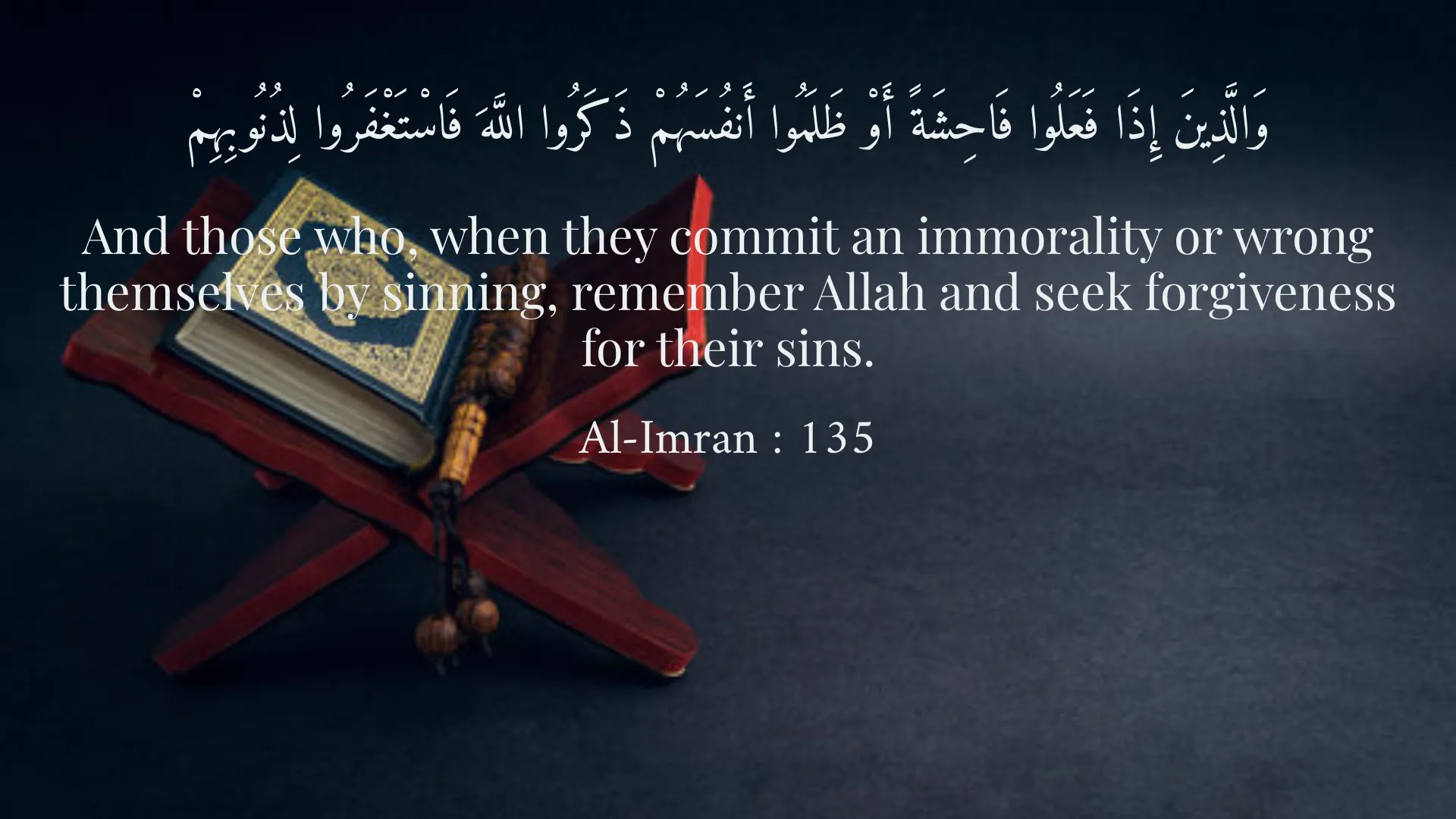
Seeking forgiveness for sins is a fundamental aspect of spiritual growth and development in the Islamic faith. It is not limited to the acknowledgment of mistakes but extends into a broader understanding of mercy, repentance, and self-improvement that is highlighted in various verses of the Quran. This process is critical for believers as it allows them to mend their relationship with Allah and move forward in life with a refreshed spirit and renewed purpose. The Quran poignantly captures the essence of seeking forgiveness in countless verses, emphasizing the importance of repentance in the life of a Muslim. One of the notable references is found in Surah Al-Imran, verse 135, where Allah instructs the believers to return to Him continually and seek His forgiveness. This verse encapsulates the profound spiritual responsibility laid upon believers to remain vigilant in their quest for a closer connection with their Creator. "And those who, when they commit an immorality or wrong themselves by transgression, remember Allah and seek forgiveness for their sins – and who can forgive sins except Allah? – and who do not persist in what they have done while they know." (Quran 3:135) The verse serves as a reminder that everyone is prone to sin and falter, but the critical aspect lies in the recognition of these shortcomings and the proactive approach of turning back to Allah. In this pursuit, if a person realizes they have sinned but later forgets the specifics of that sin, they are still encouraged to seek forgiveness with a sincere heart. The act of repentance does not require detailing each transgression, but rather, it necessitates genuine remorse and a fervent desire to amend one's ways. The sincerity behind the prayer and supplication holds the utmost importance in the process of seeking forgiveness. According to Islamic teachings, Allah knows the intentions of hearts and grants forgiveness to those who earnestly seek it. Therefore, believers can approach their Lord with an open heart, laying bare their worries, mistakes, and aspirations for improvement without the fear of being judged or condemned. Additionally, in Surah Az-Zumar, verse 53, Allah reassures His servants about His boundless mercy: "O My servants who have believed, do not despair of the mercy of Allah. Indeed, Allah forgives all sins." This verse underscores a critical tenet of Islamic belief – hope. Regardless of the sins committed, whether forgotten or intentionally overlooked, believers are reminded to maintain hope and actively seek forgiveness. This call to hope is essential, especially in a world filled with challenges, temptations, and moral dilemmas. Seeking forgiveness in Islam is not merely an act of verbalizing regret; it reflects a deeper spiritual journey. The essence of seeking forgiveness is intertwined with a desire to revive the spirit and draw closer to Allah. It serves as a bridge back to righteousness and a path to healing one's spiritual wounds. This revival occurs as believers engage in practices that emphasize dependence on Allah’s mercy and grace, eagerly awaiting His forgiveness and the blessings that accompany it. Moreover, it is crucial to recognize the additional pathways believers can take to cleanse themselves of sins. Engaging in good deeds, giving charity, helping others, and performing acts of kindness are all ways in which Muslims can facilitate their spiritual purification. The concept of doing good as a means of atonement is not only encouraged but is also an essential principle in Islamic ethics. The Quran frequently emphasizes the significance of deeds in the life of a believer. Charity is not only a means to alleviate the suffering of others but also acts as a purification for the soul. It embodies love, empathy, and a commitment to social responsibility. When believers extend their hands to help those in need, they not only fulfill a communal obligation but also take proactive steps toward their own spiritual growth and redemption. In addition, engaging in acts of worship such as prayer, fasting, and recitation of the Quran reinforce the connection with Allah and serve as vital practices in seeking forgiveness. These acts help shape a believer's character, instilling discipline and a sense of purpose. The daily prayers, in particular, are moments of reflection, gratitude, and humility, presenting believers with consistent opportunities to recalculate their intentions and seek forgiveness. While seeking forgiveness entails a profound acknowledgment of one's faults, it also emphasizes the cultivation of a positive mindset towards personal growth and development. This journey enables believers to move past their misdeeds and strive to become better individuals. Allah’s mercy is expansive, allowing believers to break free from feelings of guilt and despair and to focus on moving forward with hope and determination. It is important to appreciate that seeking forgiveness is not a singular event, but a continuous journey throughout a believer's life. This ongoing process encourages introspection and the desire to improve continuously. In Islam, the act of returning to Allah is a daily endeavor, encouraging believers to keep seeking His mercy and forgiveness with each prayer, act of charity, and positive action. In conclusion, seeking forgiveness for sins, regardless of whether they are remembered or forgotten, is a significant element of faith in Islam. It reinforces the essential concepts of hope, humility, and the vastness of Allah’s mercy. Believers are encouraged to maintain a proactive approach in their spiritual journey, seeking forgiveness with sincerity while also engaging in good deeds that foster inner purity and communal welfare. This continuous cycle of repentance and goodness not only strengthens the individual’s relationship with Allah but also propels them towards a life filled with purpose, compassion, and spiritual fulfillment.
Related Verses
وَالَّذِينَ إِذَا فَعَلُوا فَاحِشَةً أَوْ ظَلَمُوا أَنفُسَهُمْ ذَكَرُوا اللَّهَ فَاسْتَغْفَرُوا لِذُنُوبِهِمْ
And those who, when they commit an immorality or wrong themselves by sinning, remember Allah and seek forgiveness for their sins.
Al-Imran : 135
قُلْ يَا عِبَادِيَ الَّذِينَ آمَنُوا اتَّقُوا رَبَّكُمْ ۖ لِلَّذِينَ أَحْسَنُوا فِي هَذِهِ الدُّنْيَا حَسَنَةٌ ۖ وَأَرْضُ اللَّهِ وَاسِعَةٌ
Say, 'O My servants who have believed, fear your Lord.'
Az-Zumar : 53
Short Story
Once, a young man deeply regretted his past sins. He remembered the verses of the Quran and decided to seek forgiveness from Allah. In his heart, he said, 'O God, perhaps I have forgotten some of my sins, but I ask You to forgive me.' He felt a sense of peace and lightness, knowing that Allah has spread His mercy.