Quranic Answer
Title: The Essence of Love and Kindness in Islam: Insights from the Holy Quran Introduction The concept of love and kindness in Islam permeates the fabric of human interaction and social responsibility. At the heart of this belief lies the Holy Quran, which encapsulates profound teachings that guide believers towards understanding the importance of selfless acts and the unconditional nature of love. This article delves into the Quranic verses that emphasize love and kindness towards others, exploring their implications and the practical applications of these values in daily life. The Quranic Foundation for Love and Kindness In verse 267 of Surah Al-Baqarah, Allah communicates a critical message regarding the nature of charitable acts: "O you who have believed, spend from the good things which you have earned and from that which We have produced for you…" This directive not only emphasizes the importance of giving but also underscores the need for generosity to stem from the best of what one possesses. It serves as a reminder that true love and compassion cannot be transactional; instead, it should be rooted in a spirit of selflessness and altruism. Giving should not be motivated by a desire for recognition, praise, or any form of recompense. The essence of these values is further echoed in verse 2 of Surah Al-Insan, where Allah reveals: "Indeed, we feed you only for the countenance of Allah. We wish not from you reward or gratitude." This assertion highlights the virtue of pure intention in acts of kindness, portraying it as a pathway to attain spiritual elevation. In Islam, the notion of feeding the needy or helping others transcends mere obligation; it is an act of worship, reflecting a believer's sincere faith and commitment to fulfilling their moral responsibilities. Selflessness as a Reflection of Faith Acts of kindness and love that are performed selflessly not only enhance individual character but also embody the essence of Islamic teachings. Demonstrating love without anticipating reward brings two important aspects into play: faith and humanity. Each act of kindness reinforces a person's connection to Allah, reminding them of their purpose in this world. As believers engage in such acts, they are reminded of their dependence on Allah’s mercy, and this realization fosters gratitude. Moreover, the prophetic traditions, known as Hadith, further reinforce the teachings of the Quran regarding helping others. For instance, the Prophet Muhammad (peace be upon him) emphasized the importance of maintaining good relations with neighbors and friends, stating that "none of you truly believes until he loves for his brother what he loves for himself." This fundamental principle reinforces the idea that love is not only about kindness to those close to us but also extends to humanity as a whole. Practical Manifestations of Love and Kindness The application of love and kindness is not confined to grand gestures; it often manifests through everyday actions. Simple acts of assistance towards a neighbor, a smile to a stranger, or even compassionate listening can transform an act of kindness into a moment of profound human connection. Islam encourages believers to look out for those in their communities, whether it be through volunteering, advocating for social justice, or simply offering emotional support. Such actions contribute towards building strong, unified communities where individuals feel valued and respected. Furthermore, the pursuit of kindness is an antidote to the discord that often prevails in society today. In an age where self-interest frequently supersedes altruism, the call to create environments infused with love and compassion becomes ever more pressing. Each individual can influence their surroundings by acting as a beacon of kindness, thereby inspiring others to do the same. The ripple effect initiated by a single act of love has the potential to positively transform countless lives. The Role of Love and Kindness in Personal Growth Embracing love and kindness is not only beneficial for those who receive it, but it ultimately serves to enrich the giver as well. Being kind to others instills a sense of fulfillment and purpose. Psychological studies have revealed that altruistic behavior can lead to increased happiness, reduced stress, and improved overall well-being. Thus, the Quranic principle of selfless giving aligns with contemporary understandings of mental health and personal development. In spiritual terms, individuals who embody love and kindness contribute to their own growth and closeness to Allah. Through these selfless acts, they are refining their character and aligning their actions with their faith. As believers strive to exhibit this level of compassion, they become vessels of change, promoting a more harmonious world. Conclusion In summary, the Holy Quran profoundly emphasizes love and kindness as essential tenets of Islam. Verses from Surah Al-Baqarah and Surah Al-Insan clearly delineate the ethical framework of selflessness and pure intention in charitable acts. The encouragement found within these teachings motivates individuals to transcend their self-interests and engage in acts that uplift others. Moreover, the importance of love and kindness extends beyond spiritual teachings; it has tangible implications in our daily lives, shaping personal relationships and community ties. As we strive to cultivate these virtues, we can transform not only ourselves but also the world around us. By fostering a culture of love and kindness, inspired by the Quran and Prophetic traditions, we can collectively work towards a more compassionate and united society. It is incumbent upon us to embody these ideals, creating a legacy of empathy, understanding, and cooperation for generations to come.
Related Verses
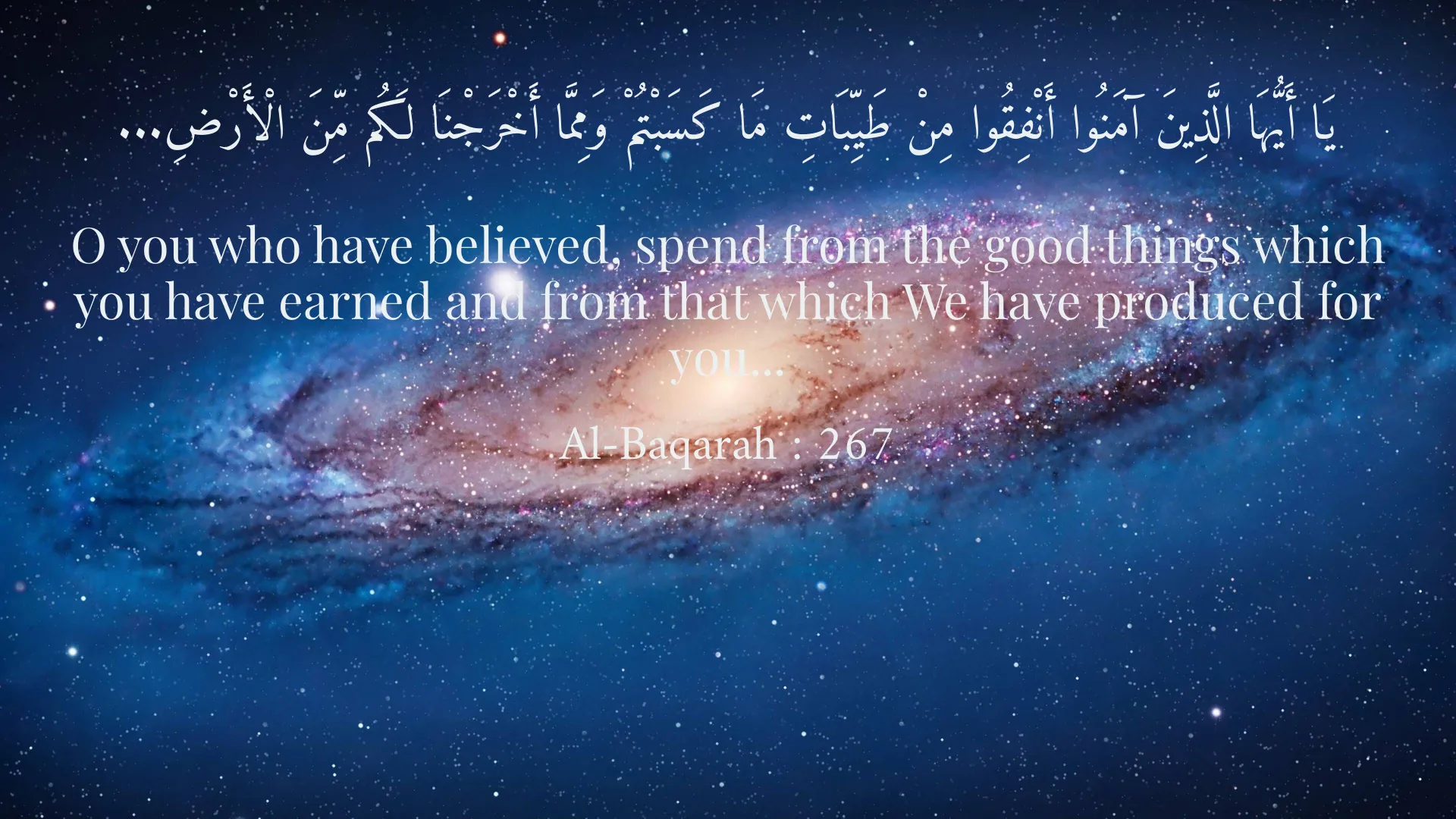
يَا أَيُّهَا الَّذِينَ آمَنُوا أَنْفِقُوا مِنْ طَيِّبَاتِ مَا كَسَبْتُمْ وَمِمَّا أَخْرَجْنَا لَكُم مِّنَ الْأَرْضِ...
O you who have believed, spend from the good things which you have earned and from that which We have produced for you...
Al-Baqarah : 267
إِنَّمَا نُطْعِمُكُمْ لِوَجْهِ اللَّهِ لَا نُرِيدُ مِنكُمْ جَزَاءً وَلَا شُكُورًا.
Indeed, we feed you only for the countenance of Allah. We wish not from you reward or gratitude.
Al-Insan : 2
Short Story
One day, Maryam came home and noticed that her neighbor was in great need of assistance. Without even considering what she might receive in return, she decided to help him and fulfill his needs. After this act, Maryam felt an incredible happiness and peace and realized how beautiful and meaningful love without expectation truly is.