Quranic Answer
The Strengthening of the Human Soul: A Quranic Perspective The human soul is a profound and intricate entity that encompasses both spiritual and psychological dimensions. The soul serves as the essence of a person's identity, influencing their thoughts, emotions, and interactions with the world around them. As human beings strive for happiness and a sense of peace, it becomes essential to understand and fortify this vital aspect of our existence. Strengthening the soul involves intentional actions in daily life that contribute to spiritual and emotional well-being. Among the various teachings available, the Holy Quran stands out as a divine guideline that offers insight into nurturing the human soul. In this article, we will explore how the Quran emphasizes the importance of remembrance of Allah, performing good deeds, and engaging in prayer and seeking forgiveness as means to strengthen the soul and find true peace and happiness. One of the most effective ways to cultivate a strong soul is through the remembrance of Allah, known as "dhikr" in Arabic. As stated in Surah Ar-Ra'd, verse 28, 'Indeed, by the remembrance of Allah hearts find rest.' This profound verse highlights the significance of connecting with Allah and the tranquility it brings to an individual. The act of remembering Allah can take various forms, including reciting His names, pondering over His creations, and expressing gratitude for His blessings. By dedicating time for worship and contemplation, individuals can fortify their spirits. In a fast-paced world filled with distractions and challenges, it is easy to lose sight of the importance of such remembrance. Engaging in dhikr allows believers to channel their focus and reset their priorities, aligning them with spiritual goals. It serves as a reminder that despite life's turbulence, there exists a source of peace and solace in the divine connection with Allah. Furthermore, incorporating the recitation of the Quran into daily life can significantly enhance the spiritual experience. The Quran is not only a guide to righteous living but also a source of comfort, providing answers to existential questions and offering solace during challenging times. The act of remembrance also carries therapeutic benefits. When individuals invoke the name of Allah, they often experience a release from their anxieties and emotional burdens. This spiritual practice fosters a sense of security, empowering individuals to confront life's adversities with resilience. As a result, the remembrance of Allah becomes a crucial practice in nurturing the soul and fostering inner peace. In addition to remembrance, the Quran places great emphasis on performing good deeds and demonstrating kindness toward others as vital components in enhancing one's spirit. In Surah Al-Baqarah, verse 177, it is stated: 'Righteousness is not that you turn your faces toward the east or the west, but [true] righteousness is in one who believes in Allah, the Last Day, the Angels, the Book, and the Prophets and gives his wealth in spite of love for it to relatives, orphans, the needy, the traveler, those who ask [for help], and for freeing slaves.' This verse creatively illustrates that true righteousness extends beyond mere rituals and worship; it necessitates action that benefits others. By engaging in charitable acts and extending kindness, individuals cultivate a profound connection with their community and the broader human experience. Such acts not only uplift those in need but also foster a sense of fulfillment and purpose within oneself. The reward from Allah for benevolence holds immense value and serves as motivation for believers to continually strive for goodness. Engaging in good deeds should not be a task completed haphazardly; rather, it should be incorporated into daily life actively. Simple acts of kindness, such as offering a helping hand, sharing knowledge, or providing support can significantly strengthen the soul. With each interaction, believers can embody the teachings of the Quran and improve their moral character. Furthermore, the teachings of the Quran on charity encourage individuals to be mindful of their wealth, sharing it willingly and even in times of personal sacrifice. This selflessness reinforces a holistic understanding of community, fostering relationships built on empathy and solidarity. Such actions create a ripple effect, enhancing both individual and collective spiritual wellness and nurturing the bonds that hold society together. Lastly, seeking forgiveness and engaging in prayer are paramount in the quest to strengthen the soul. The act of seeking forgiveness from Allah is a humbling experience that allows individuals to acknowledge their imperfections and flaws. The Quran emphasizes Allah's mercy and compassion, encouraging believers to approach Him in humility and sincerity. The realization that Allah is always ready to forgive nurtures hope and fosters spiritual growth. When individuals turn to prayer, they often experience a release from spiritual burdens. Through supplication, the believer opens their heart to Allah, expressing their deepest desires and regrets. This act not only strengthens the bond with the Creator but also serves as a therapeutic outlet where individuals can reflect, seek guidance, and find comfort. To integrate prayer into daily life requires commitment and intent, as consistency enriches the spiritual experience and amplifies the positive impacts on the soul. Moreover, prayer allows for a moment of pause in the frenetic pace of modern life. It provides the opportunity to recalibrate emotions and reaffirm intentions, cultivating mindfulness and awareness. Each prayer becomes a sanctuary where believers can recenter themselves, striving toward spiritual alignment and deeper connection with their Creator. The themes woven throughout the Quran stress the importance of remembering Allah, performing good deeds, and seeking forgiveness. These practices not only enhance our spiritual well-being but also instill a sense of purpose and connection to something greater than ourselves. In a world often filled with noise and distractions, taking the time to cultivate the soul is more important than ever. Individuals who prioritize their spiritual health will likely find a more profound sense of peace and fulfillment, ultimately leading to a happier and more harmonious life. In conclusion, the human soul is an intricate tapestry formed by spiritual and psychological threads. The teachings of Islam provide invaluable guidance in nurturing and strengthening our souls. By dedicating time to the remembrance of Allah, engaging in altruistic acts, and seeking forgiveness through prayer, individuals can find tranquility within themselves and in their relationships with others. Strengthening the soul is a lifelong pursuit, one that is essential to achieving true peace and happiness in a fleeting world.
Related Verses
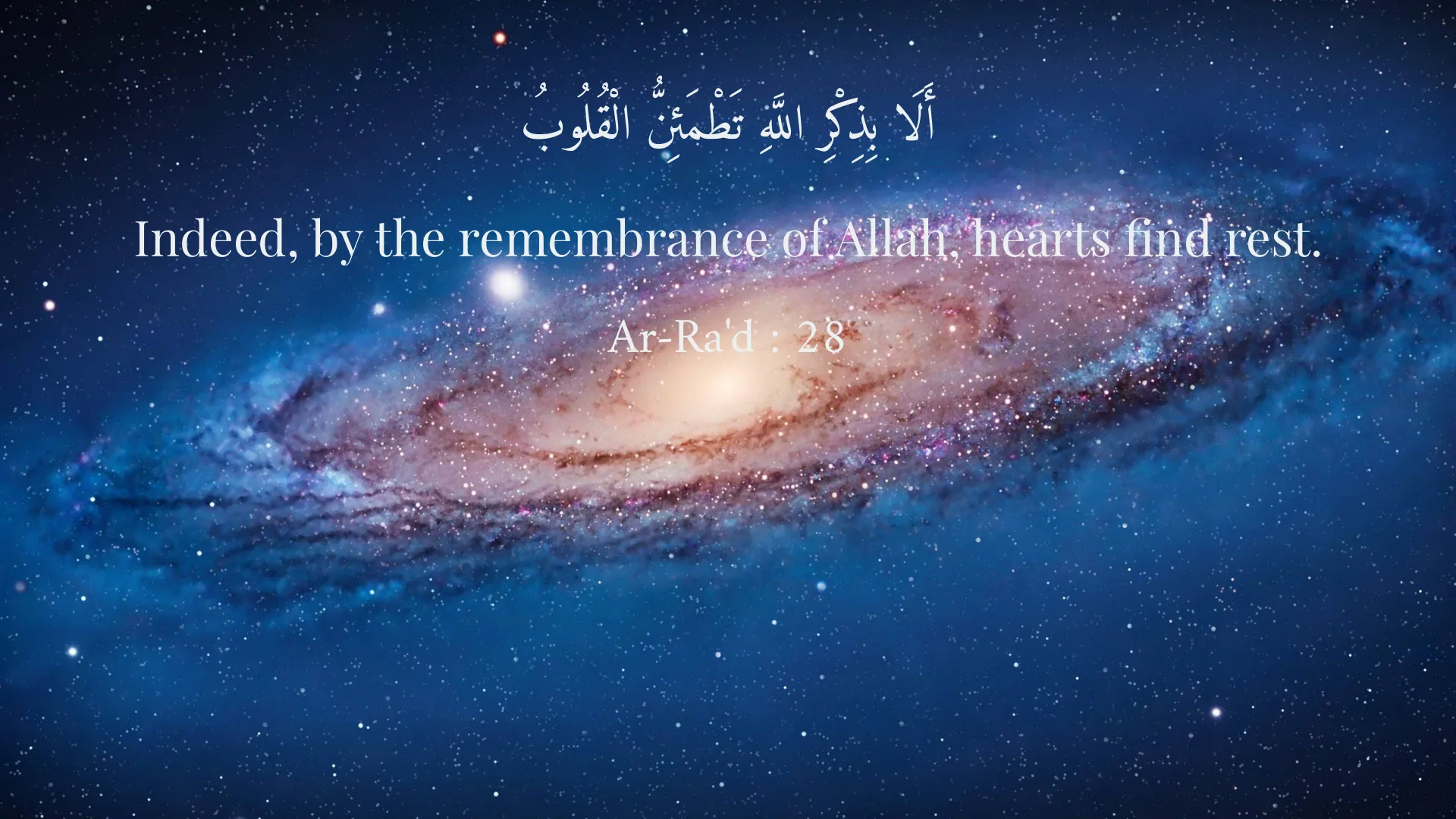
أَلَا بِذِكْرِ اللَّهِ تَطْمَئِنُّ الْقُلُوبُ
Indeed, by the remembrance of Allah, hearts find rest.
Ar-Ra'd : 28
لَيْسَ الْبِرَّ أَن تُوَلُّوا وُجُوهَكُمْ قِبَلَ الْمَشْرِقِ وَالْمَغْرِبِ وَلَـٰكِنَّ الْبِرَّ مَنْ آمَنَ بِاللَّهِ وَالْيَوْمِ الآخِرِ وَالْمَلَائِكَةِ وَالْكِتَابِ وَالْنَّبِيِّينَ وَأَطْعَمَ الْمَالَ عَلَى حُبِّهِ ذَوِي الْقُرْبَىٰ وَالْيَتَامَىٰ وَالْمَسَاكِينِ وَالْهَائِمِينَ وَالسَّائِلِينَ وَفِي الرِّقَابِ
Righteousness is not that you turn your faces toward the east or the west, but [true] righteousness is in one who believes in Allah, the Last Day, the Angels, the Book, and the Prophets and gives his wealth in spite of love for it to relatives, orphans, the needy, the traveler, those who ask [for help], and for freeing slaves.
Al-Baqarah : 177
Short Story
On a beautiful day, a young man named Sajjad was sitting and reflecting on his life. He recalled Quranic verses that invited his soul to remember God and connect with others. He decided to allocate more time daily for prayer and helping those in need. After a short while, Sajjad felt that his life had transformed, experiencing more joy in his heart, and this tranquility brought him a closer connection with God.