Quranic Answer
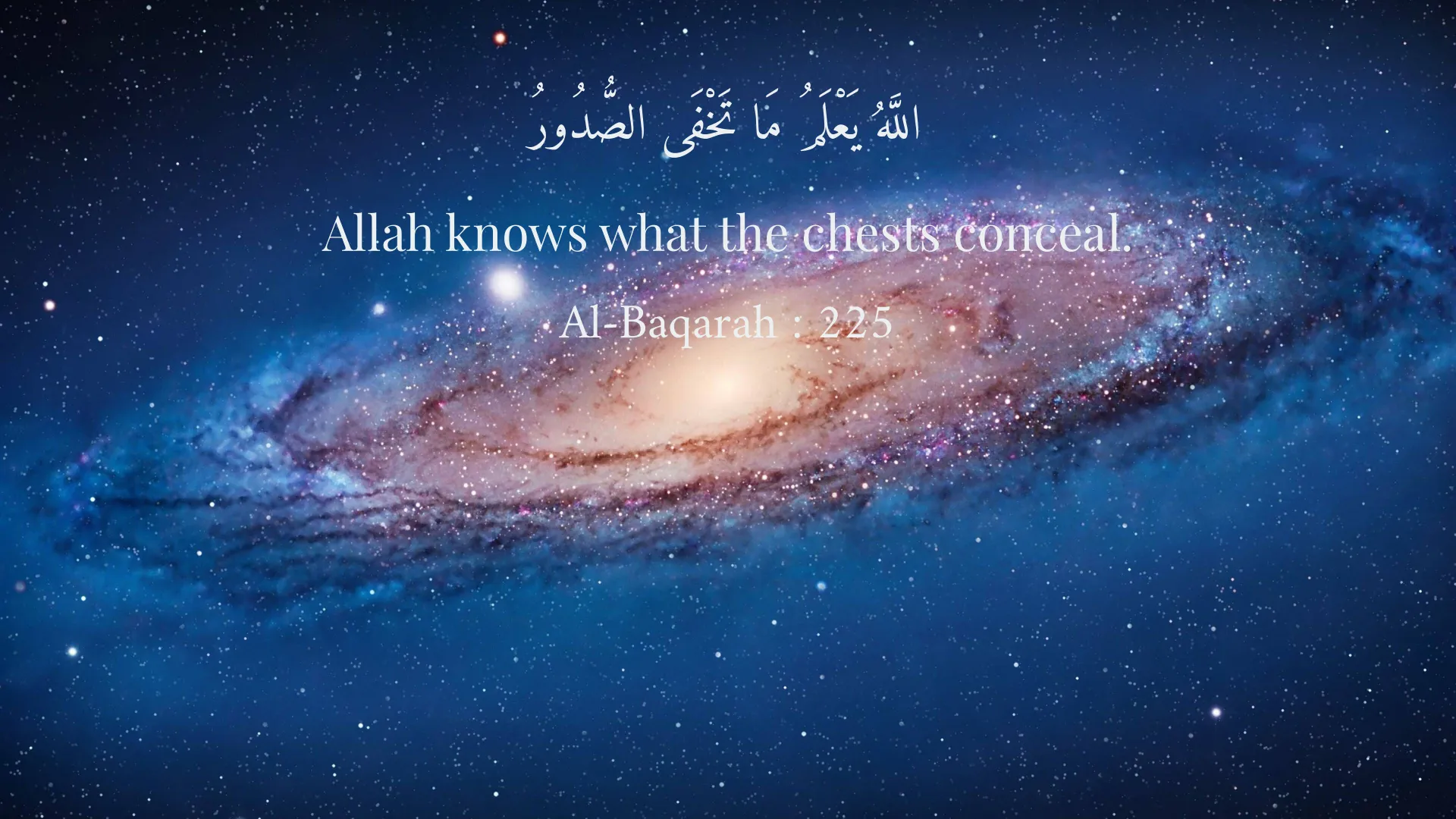
The heart occupies a central position in Islamic teachings, epitomizing the essence of human existence. In the Holy Quran, a significant emphasis is placed on understanding the heart, not just as a physical organ, but as a profound symbol of the inner self. The attributes of the heart are intricately linked to a person's faith and spirituality. The connection between the heart and its relationship with God is paramount; it is through this connection that one finds the path to perfection and inner peace. The human heart, as described in the Quran, is where intentions and emotions reside, shaping one's actions and outlook on life. This article delves into the significance of the heart in Islam, emphasizing the necessity for purification of intentions and the impact of remembrance of God on the heart's tranquility. In Surah Al-Baqarah, verse 225, the Quran states: "Allah knows what the chests conceal." This verse serves as a powerful reminder that God possesses full awareness of our innermost thoughts and intentions. In essence, this means that no secret, no hidden desire, and no unspoken aspiration is beyond His knowledge. This divine awareness compels Muslims to reflect upon their intentions. It stresses the importance of self-awareness and accountability. How one feels within their heart translates into actions and influences one’s behavior toward others and oneself. Thus, the quest for a pure heart begins with the explicit affirmation of good intentions and a genuine commitment to righteousness. In a world where distractions are abundant, clarifying these intentions becomes essential. Moreover, nurturing good and virtuous intentions undeniably has a profound effect on the heart, calming its depths and imbuing it with positive energy. When the heart is filled with righteous intentions and hopes for the betterment of oneself and others, it generates a peaceful state of mind. This interconnectedness between intent and emotion underscores the wisdom of investing in purity of thought, for when the heart is at peace, life is experienced with greater joy and contentment. Islam teaches that neglecting the spiritual nourishment of the heart can lead to adverse states of being. In Surah Ta-Ha, verse 124, Allah declares: "And whoever turns away from My remembrance - indeed, for him is a depressed life." This poignant verse elucidates a vital truth; forgetting or disregarding the remembrance of God leads to a life constrained by anxiety, sorrow, and a sense of emptiness. It alerts believers to the detrimental effects of spiritual neglect and the consequences that ensue when one loses sight of their Creator. The heart, devoid of divine remembrance, becomes susceptible to desperation and despair. To counter such adverse conditions, strengthening one’s remembrance of Allah becomes vital. Acts of worship, including prayer, recitation of the Holy Quran, and supplication, act as spiritual lifelines, revitalizing the heart and providing solace. Reciting the Quran is particularly emphasized for its remarkable ability to instill tranquility and peace within the soul. Each verse serves as a reminder of God's mercy and benevolence, enabling individuals to reconnect with their faith and find comfort amid chaos. Learning to appreciate and implement these acts of worship into daily life enhances the spiritual fabric of one's existence. The power of supplication and maintaining a continuous connection with God cannot be overstated. Engaging in sincere prayer fosters an environment where believers can openly communicate their innermost fears, hopes, and desires. This relationship yields psychological and spiritual benefits; it nurtures resilience in the face of life's challenges, guiding individuals through hardships with grace and fortitude. A heart that continually seeks God’s guidance and assistance remains fortified against turmoil. It fuels the belief that even in distress, relief is near, for believers hold fast to their Creator's promises. To genuinely care for our hearts, we must cultivate a focus on our intentions and actions while nurturing an intrinsic relationship with God. The journey of healing and peace begins internally—by addressing the facets of our character that require upliftment. This could involve seeking forgiveness for past misdeeds, resolving to treat others with compassion, or committing to personal growth and development. By actively pursuing these elements, individuals can position themselves toward a heart that resonates with purity and sincerity. In conclusion, the heart is more than just a vital organ; it symbolizes our innermost being in Islamic teachings. The teachings found in the Holy Quran regarding the heart elucidate a path toward healing and resonance with God. By purifying our intentions, engaging in consistent remembrance, and performing acts of worship, we set out on a profound journey of nurturing our hearts. Each step toward this goal brings us closer to tranquility, filling our lives with purpose and steadfastness. As we strive to maintain an intimate relationship with God, we discover the ultimate source of psychological and spiritual comfort, facilitating a life rich in faith and filled with divine light.
Related Verses
اللَّهُ یَعْلَمُ مَا تَخْفَی الصُّدُورُ
Allah knows what the chests conceal.
Al-Baqarah : 225
وَمَن أَعْرَضَ عَنْ ذِكْرِي فَإِنَّ لَهُ مَعِیشَةً ضَنكًا
And whoever turns away from My remembrance - indeed, for him is a depressed life.
Ta-Ha : 124
Short Story
One day, a man named Ahmad felt lost without God. He approached his teacher and asked how he could restore the peace of his heart. The teacher told Ahmad that if he wanted his heart to be at peace, he must remember God and set good intentions in his life. From that day on, Ahmad engaged in prayer and recitation of the Quran and found profound tranquility in his heart. He realized that his heart came alive once again in the cycle of remembering God.