Quranic Answer
Transforming our lives with the Holy Quran is a matter that transcends simple recitation; it embodies a comprehensive and intricate process that necessitates sincere commitment and practical application. The Quran, considered by over a billion Muslims to be the literal word of God, serves as a profound source of guidance, wisdom, and moral clarity. Its verses encapsulate timeless truths that are applicable to the myriad challenges of life, inviting individuals toward personal transformation and societal betterment. This article seeks to explore the multifaceted nature of this transformation by examining key teachings from the Quran and their implications for our daily lives. One of the cornerstones of engaging with the Quran is the understanding that it is much more than just text to be read. In Surah Al-Baqarah, verse 2, it states: "This is the Book about which there is no doubt, a guidance for those conscious of Allah." This verse serves as a profound introduction to the Quran as an unfailing reference point for the guidance of humanity. The essence of its message is that it provides clarity and direction, particularly for those who are mindful of their relationship with the Divine. The first step towards personal transformation is, therefore, the commitment to deeply understand and implement the teachings of the Quran within our everyday lives. This understanding goes beyond surface-level reading; it requires contemplation and reflection on the meanings of the verses, as well as their applications. The Quran encourages believers to engage with it actively, prompting a regular practice of reflection and action. For example, in Surah Al-Mu’minun, verses 1 and 2, it states: "Certainly will the believers have succeeded. They who are during their prayer humbly submissive." This verse highlights the importance of humility and submission during prayer—a vital practice that fosters a deep connection with God. Regular prayer, or Salah, is not merely an Islamic obligation but a source of spiritual nourishment that aids in dispelling feelings of stress and anxiety. The act of praying serves as a moment of solace, allowing individuals to surrender their worries to God and find tranquility through the act of worship. It is in these moments of heartfelt communication with the Divine that we can cultivate resilience, peace of mind, and joy in our lives. Moreover, the Quran extensively emphasizes social relations and community. The teachings within its verses encourage empathy and love for one another, showcasing the Quran's approach to social harmony and cohesion. Surah Al-Hujurat, verse 13 states: "O mankind, indeed We have created you from male and female and made you peoples and tribes that you may know one another." This verse serves as a reminder of the inherent equality among all humans, regardless of their background, and underscores the importance of understanding and recognizing one another's differences. It encourages individuals to seek unity and mutual recognition among diverse social groups. Such teachings guide us not only in our personal relationships but also in our broader interactions within society. Embracing this message is essential for creating a compassionate community that engages in acts of kindness and solidarity. Furthermore, a crucial element in achieving transformation through the Quran is the concept of knowledge—both in learning and teaching. Acts of sharing knowledge about the Quran and its teachings can create a ripple effect, fostering greater understanding within communities. The Quran itself advocates for the pursuit of knowledge; this is evident in various verses that encourage believers to reflect, learn, and impart wisdom to others. By teaching and educating about its principles, we contribute to a collective growth that nurtures better society, deepening our own understanding in the process. In addition, the practice of reading the Quran should not be perceived merely as a ritual; rather it is a profound interaction with divine wisdom. Engaging with the Quran in a manner that invites its lessons into our lives requires us to approach the text with an open heart and a willingness to change. The Quran provides guidance on various aspects of life, including ethical behavior, justice, family relations, and personal conduct. By infusing our behaviors and decisions with the values taught in the Quran, we begin to embody the principles it espouses, thus transforming our character and enhancing our impact on others. The transformative role of the Quran extends to instilling a sense of purpose and direction. Reading and reflecting on its verses inspires belief in a Higher Power and reinforces moral integrity, which can significantly alter an individual’s outlook on life. As believers come to acknowledge their role within a divine plan, they may find themselves more driven toward fulfilling their responsibilities, both to themselves and to society. To summarize, transforming our lives with the Holy Quran is a multidimensional journey that encompasses understanding, practical application, humility, compassion, and the relentless pursuit of knowledge. It is a commitment to integrating the teachings of the Quran into our everyday lives—demonstrated through prayer, social engagement, and sharing wisdom with others. Through this holistic engagement, we not only uplift ourselves but contribute to building a better community rooted in understanding and love. The Quran is a timeless source of guidance; embracing its teachings can lead to profound personal transformation, paving the way to a fulfilled and meaningful life in accordance with divine purpose. As we progress on this path, we discover that the process of transformation is continual, encouraging us to be ever-open to the lessons and guidance that the Quran offers, leading to a life that radiates peace, compassion, and mutual respect.
Related Verses
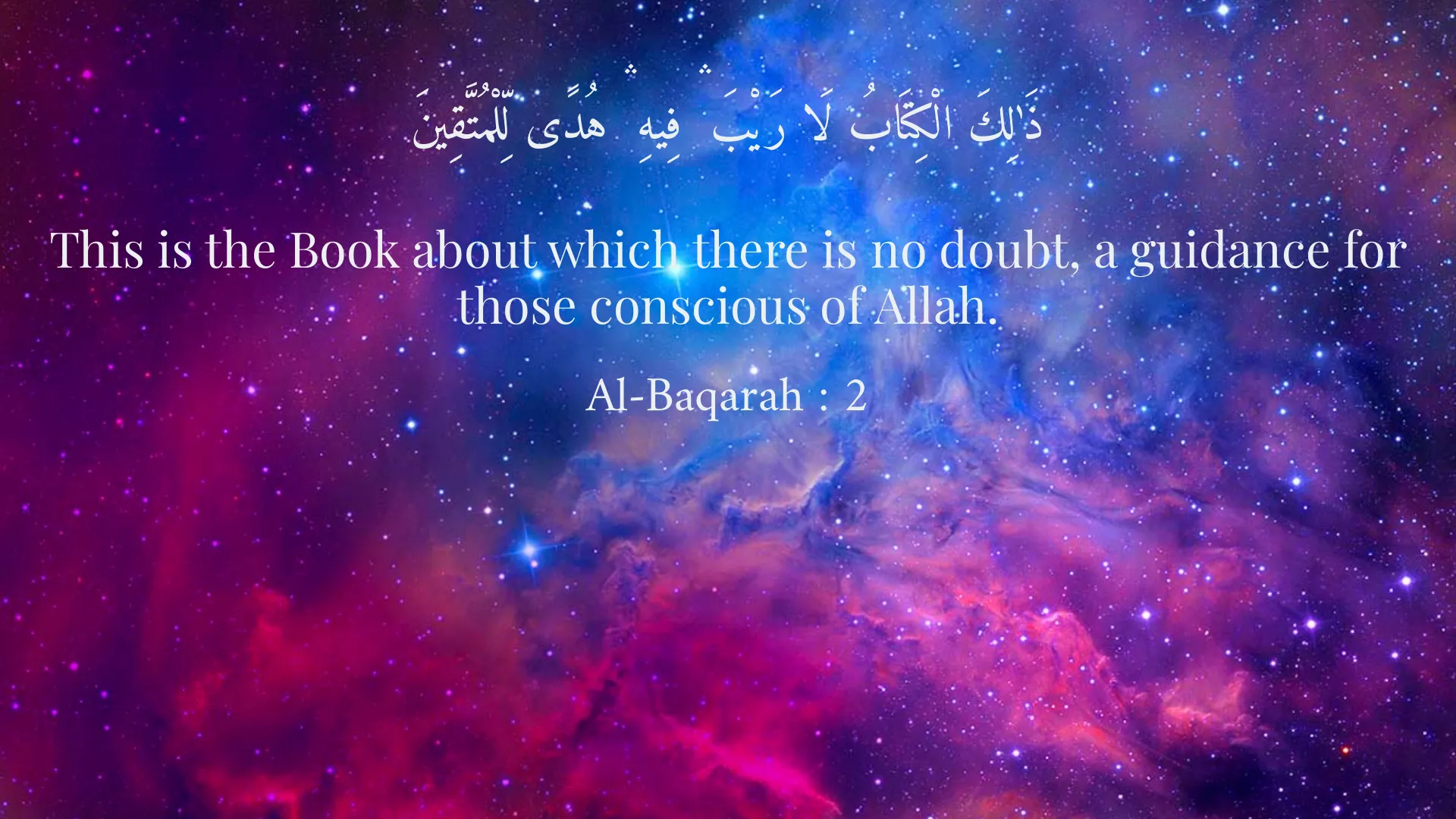
ذَٰلِكَ الْكِتَابُ لَا رَيْبَ ۛ فِيهِ ۛ هُدًى لِّلْمُتَّقِينَ
This is the Book about which there is no doubt, a guidance for those conscious of Allah.
Al-Baqarah : 2
قَدْ أَفْلَحَ الْمُؤْمِنُونَ
Certainly will the believers have succeeded.
Al-Mu’minun : 1
يَا أَيُّهَا النَّاسُ إِنَّا خَلَقْنَاكُمْ مِّن ذَكَرٍ وَأُنثَىٰ وَجَعَلْنَاكُمْ شُعُوبًا وَقَبَائِلَ لِتَعَارَفُوا
O mankind, indeed We have created you from male and female and made you peoples and tribes that you may know one another.
Al-Hujurat : 13
Short Story
One day, Adel was reflecting on his life. He decided to refer to the verses of the Quran and draw inspiration from them. After reading and pondering over the verses, he realized he needed to clarify his priorities in life. He began to read the Quran and apply its teachings in his daily life. Gradually, he began to feel better and nurtured better relationships with his friends and family. This transformation in Adel's life brought blessings and tranquility into his existence.