Quranic Answer
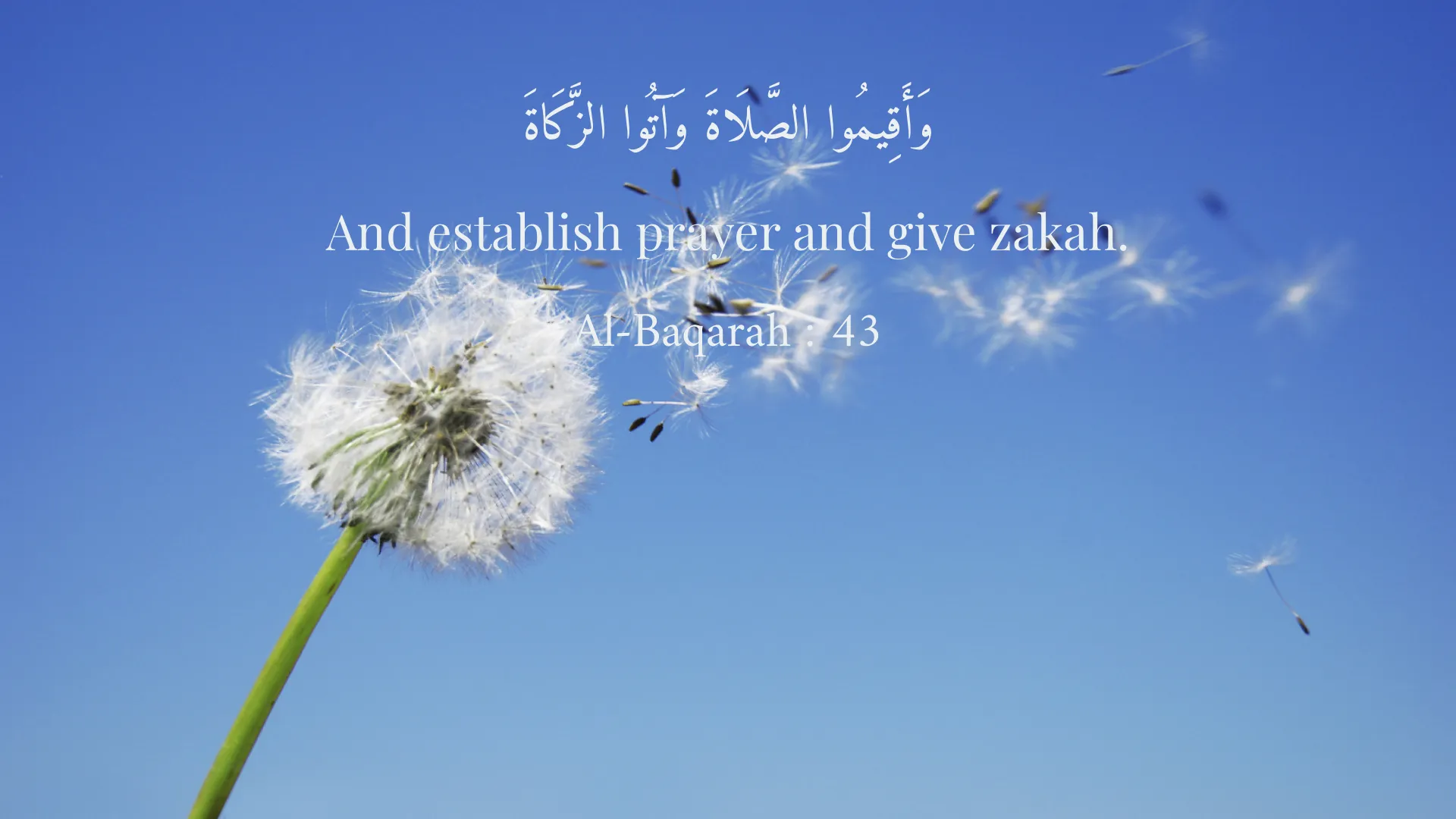
Worship in Islam is not merely a physical action; it represents a profound feeling and love for God. The roots of this concept can be traced back centuries, manifesting in traditions and practices that go beyond mere rituals. Worship in Islam is holistic; it encompasses the mind, body, and spirit, forging a deep connection between the individual and the Creator. Engaging in worship is therefore not only about following prescribed actions but also about nurturing a heartfelt relationship with Allah, filled with love and reverence. When an individual worships with pure intention and a heart full of love for God, their soul becomes illuminated with faith and affection. This idea is brilliantly encapsulated in the Quran, where believers are encouraged to engage in acts of devotion that help them grow spiritually and emotionally. As mentioned in Surah Al-Baqarah, verse 2:43: "And establish prayer and give zakah." This verse signifies that worship includes both action and intention – the physical act of praying and giving charity must be coupled with a sincere and genuine intention. The concept of intention, or "niyyah," in worship holds a special place in Islamic teachings. A common saying of the Prophet Muhammad (peace be upon him) emphasizes this: "Actions are judged by intentions, and every person will get what they intended." Thus, the act of worship transforms if the heart and mind are aligned with the intention to submit to Allah's will. Intentionality brings depth to worship; it makes the experience meaningful and fulfilling. Understanding God’s beautiful attributes is essential for drawing closer to Him. When one studies the Quran and reflects on the divine qualities that have been described throughout its verses, a new sense of connection and admiration arises. Verses such as Surah Aal-e-Imran, verse 31 remind us: "Say, if you love Allah, then follow me, so Allah will love you." This connection is reciprocal; by demonstrating love for God through adherence to His commandments, believers can expect to receive His love in return. Moreover, the practice of prayer (Salah) and recitation of the Quran are fundamental elements in enhancing one’s relationship with God. Through the five daily prayers, Muslims position themselves humbly before their Creator, expressing gratitude, seeking guidance, and asking for forgiveness. This disciplined and habitual act of worship is designed not only to fulfill a religious obligation but also to instill a sense of inner peace and tranquility. Prayer, as described in the Quran, is an act of supplication and connection. Surah Al-Ma'idah, verse 55 states, "Your ally is none but Allah and His Messenger and those who have believed." The profound call to establish prayer acts like a sturdy rope connecting the worshipper with the divine. It emphasizes the importance of community and the shared experience of worship, drawing believers into a collective bond with one another and with Allah. The recitation of the Quran serves a similar purpose. It embodies the word of God, providing guidelines for a life that aligns with divine will. As believers engage with the text, they find wisdom, comfort, and direction. The beauty of the Arabic language, combined with the depth of content, makes Quranic recitation a spiritually uplifting experience. The sound of the verses flows over the heart, invoking emotions and creating a sanctuary of calm amid the trials of daily life. Establishing this profound relationship through love and affection transforms worship into a pleasurable and spiritual experience. This relationship with God is not merely transactional; it is about developing an understanding and appreciation for His presence in every facet of life. When believers embrace their worship with heartfelt devotion, they open themselves to experiencing spiritual elevation. It is through the action of love – by loving and obeying God – that believers are able to cultivate a sense of peace in their daily lives. Each act of worship becomes a reflection of this love, reinforcing the idea that Islam is not merely a rigid set of rules but a nourishing way of life. As believers navigate the ups and downs of existence, the comfort derived from their spiritual practices provides guidance, clarity, and hope. In addition to individual worship, communal activities foster unity and collective love for Allah. Gathering for prayers in mosques not only reinforces personal faith but also strengthens community bonds. In Islam, worship has a dual aspect; while personal devotion is central, community worship creates an atmosphere where collective prayers can amplify feelings of love and togetherness. During sacred times, such as Ramadan, the communal experience of worship reaches new heights. Muslims around the world come together to engage in praying, reading the Quran, and sharing meals. This shared experience reinforces mutual support, compassion, and belonging among believers, reflecting the essence of Islamic worship – both individual and collective. Consequently, during this spiritual journey, prayer and recitation of the Quran provide a sanctuary where devotees can express their love and affection for God. This act not only produces an internal sense of satisfaction but also manifests externally in behavior, character, and interactions with others. Those who find solace in worship are often seen radiating kindness, empathy, and love. In conclusion, worship in Islam is a multi-dimensional experience that transcends mere physical actions. It encompasses loving intentions and cultivated knowledge of God’s attributes that enrich the soul. Through establishing prayer, reciting the Holy Quran, and practicing acts of charity, believers participate in a continuous journey of developing a profound connection with their Creator. Each act becomes a means to cultivate love, as well as a source of inspiration, tranquility, and community among believers. Ultimately, true worship fosters love that not only bridges the gap between the Creator and the created but also enriches the very fabric of life itself.
Related Verses
وَأَقِيمُوا الصَّلَاةَ وَآتُوا الزَّكَاةَ
And establish prayer and give zakah.
Al-Baqarah : 43
قُلْ إِن كَانَ اللَّهُ يُحِبُّكُمْ فَاتَّبِعُونِي يُحْبِبْكُمُ اللَّهُ
Say, 'If you love Allah, then follow me, so Allah will love you.'
Aal-e-Imran : 31
Short Story
One day, a young man named Hosam was contemplating his love for God. He realized that worship should be performed with love and affection. Hosam decided to dedicate a few minutes every morning to recite the Quran and pray. After a while, he noticed positive changes in his life and felt a sense of peace and happiness. This spiritual journey not only brought him closer to God but also enhanced his love for family and friends.