Quranic Answer
The path of guidance in Islam is a divine light that illuminates the human heart and mind, leading individuals towards goodness and ultimate well-being. Understanding whether one is truly on this divine path requires contemplation, self-awareness, and, most importantly, constant reference to the teachings of the Holy Quran and the Sunnah of the Prophet Muhammad (peace be upon him). The Quran clearly articulates the signs and characteristics of those who are guided, and these signs are both internal and external, manifested through actions. The first and perhaps most fundamental sign is sincere belief in the unseen; this means faith in God, His angels, His revealed books, His prophets, the Day of Judgment, and divine decree. This faith is not merely a dry intellectual assent but a profound conviction rooted deep within one's being, influencing every aspect of their life. In Surah Al-Baqarah, verses 2 to 5, Allah describes the righteous, laying out the initial steps on the path of guidance: "This is the Book about which there is no doubt, a guidance for those conscious of Allah – Who believe in the unseen, establish prayer, and spend from what We have provided for them, And who believe in what has been revealed to you, [O Muhammad], and what was revealed before you, and of the Hereafter they are certain. Those are upon [right] guidance from their Lord, and it is those who are the successful." These verses provide a comprehensive roadmap for identifying the guided. Prayer, as a pillar of faith, is not just a ritual act but a continuous means of communication with Allah and a constant reminder of His presence. Spending in charity from what Allah has provided signifies generosity, detachment from worldly possessions, and empathy with the needy, all of which are fruits of true faith. Furthermore, belief in all divine books and prophets indicates the breadth and depth of a person's faith, freeing them from baseless prejudices. Certainty in the Hereafter acts as a deterrent from sin and a powerful motivator for good deeds, as the individual believes that all their actions will be accounted for and will receive due recompense. Beyond these practical signs, the Quran also points to the internal and spiritual dimension of guidance. One of the most crucial concepts in this regard is "Taqwa," or God-consciousness. Taqwa denotes self-restraint and fear of disobeying Allah, which leads to "Furqan," or the ability to distinguish truth from falsehood. In Surah Al-Anfal, verse 29, Allah says: "O you who have believed, if you fear Allah, He will grant you a criterion and will remove from you your misdeeds and forgive you. And Allah is the possessor of great bounty." Furqan is an illuminating light of insight that helps an individual make the right decisions at life's critical junctures and discern the correct path amidst complexities. This ability is the fruit of genuine Taqwa and constant remembrance of Allah. Moreover, a guided person seeks Allah's pleasure and performs their actions not to gain human attention but for the sake of their Lord. They are proactive in doing good deeds and charity, and they shun all forms of polytheism and hypocrisy. Surah Al-Kahf, verse 110, beautifully encapsulates this truth: "So whoever would hope for the meeting with his Lord - let him do righteous work and not associate anyone in the worship of his Lord." This verse emphasizes two fundamental pillars: righteous deeds and pure monotheism. A guided individual strives to embody honesty, trustworthiness, justice, and compassion in their words and actions. They avoid backbiting, slander, lying, and oppression, constantly seeking to reform themselves and society. Furthermore, signs such as inner peace, tranquility of heart, and a feeling of inner contentment can also indicate being on the path of guidance. This tranquility stems from a deep connection with Allah and adherence to His commands. If, when facing challenges and difficulties, your heart inclines towards Allah and reliance on Him, and you feel that every decision made based on divine pleasure leads to inner peace, this can be a strong indication of being on the right path. Ultimately, the path of guidance is a continuous journey, not a fixed destination. One must constantly evaluate themselves, repent from mistakes, increase their knowledge, and supplicate to Allah for guidance and steadfastness. The feeling of needing divine guidance, striving to understand the Quran and Sunnah more deeply, and persisting in acts of worship and good deeds are all signs that assist you on this path. Self-reflection and continuous examination of intentions and actions, along with seeking counsel from people of knowledge and piety, are other vital tools for assessing one's position on the path of guidance. Remember that guidance comes from Allah, and we can only make ourselves receptive to it through effort and struggle. Whenever you feel your heart finds solace in the remembrance of Allah, regret your sins, and are inclined towards good, know that Allah is assisting you on this path.
Related Verses
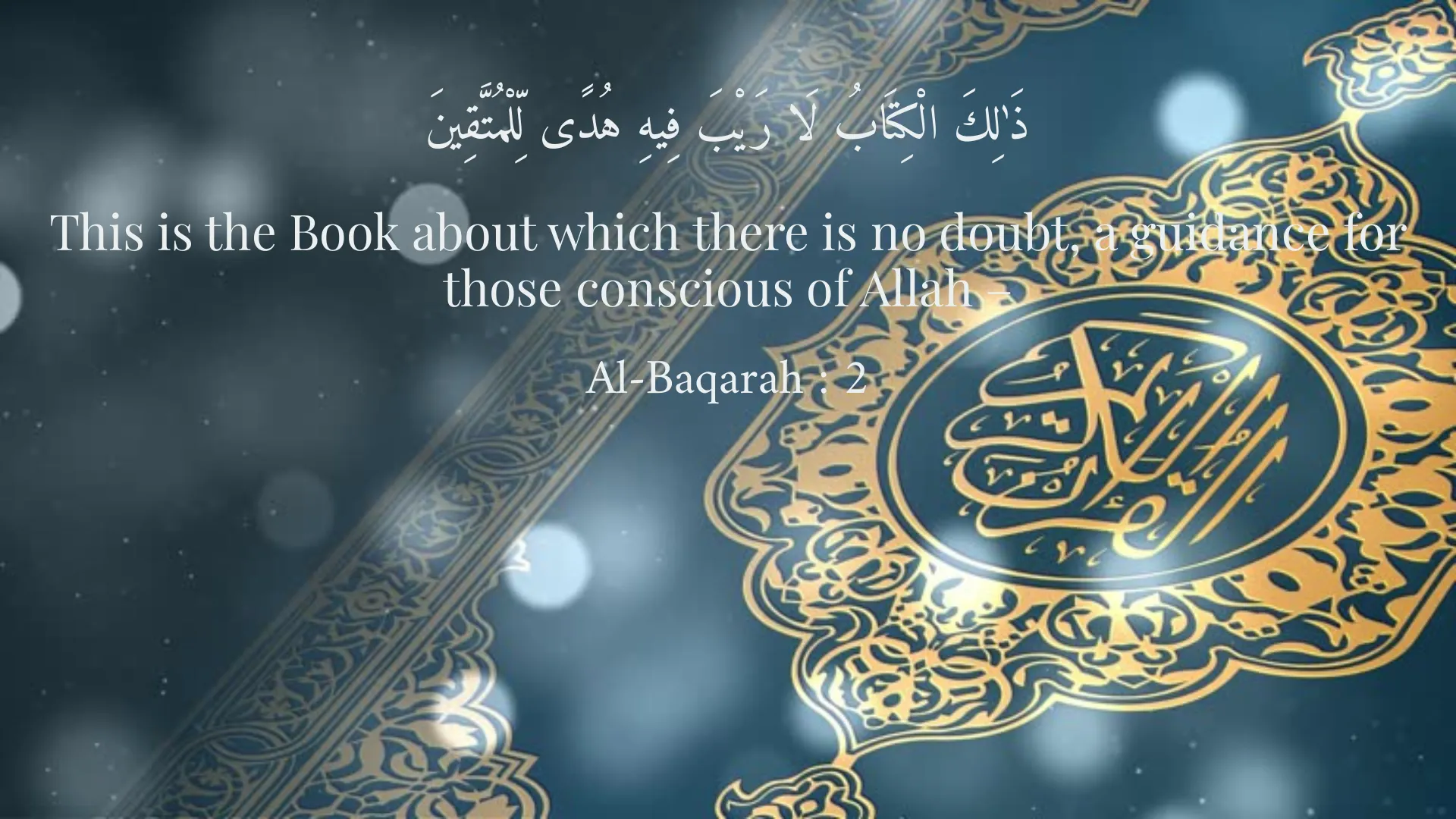
ذَٰلِكَ الْكِتَابُ لَا رَيْبَ فِيهِ هُدًى لِّلْمُتَّقِينَ
This is the Book about which there is no doubt, a guidance for those conscious of Allah –
Al-Baqarah : 2
الَّذِينَ يُؤْمِنُونَ بِالْغَيْبِ وَيُقِيمُونَ الصَّلَاةَ وَمِمَّا رَزَقْنَاهُمْ يُنفِقُونَ
Who believe in the unseen, establish prayer, and spend from what We have provided for them,
Al-Baqarah : 3
يَا أَيُّهَا الَّذِينَ آمَنُوا إِن تَتَّقُوا اللَّهَ يَجْعَل لَّكُمْ فُرْقَانًا وَيُكَفِّرْ عَنكُمْ سَيِّئَاتِكُمْ وَيَغْفِرْ لَكُمْ ۗ وَاللَّهُ ذُو الْفَضْلِ الْعَظِيمِ
O you who have believed, if you fear Allah, He will grant you a criterion and will remove from you your misdeeds and forgive you. And Allah is the possessor of great bounty.
Al-Anfal : 29
Short Story
It is narrated that one day, a wise old man was strolling in Saadi's garden (Bustan) when a young man full of questions approached him and asked, "O Sheikh, how do I know if my path is right and I am walking on the path of guidance?" The Sheikh smiled and said, "My young friend, the sign of the right path is not that your foot never slips, for humans are prone to error. Rather, the sign is that whenever your foot does slip, your heart is pained by this misstep, and you return to the path more quickly than before. When you see that your heart finds peace in the remembrance of God, resists temptations, and your desire for good deeds increases, then know that the hand of Divine Mercy has illuminated your way. Indeed, whenever benevolence towards creation and honesty in speech and action adorn your conduct, and you detest crookedness and falsehood, know that your heart has been enlightened by the light of guidance." The young man took heed of this advice and returned to his life with a deeper sense of peace.