Quranic Answer
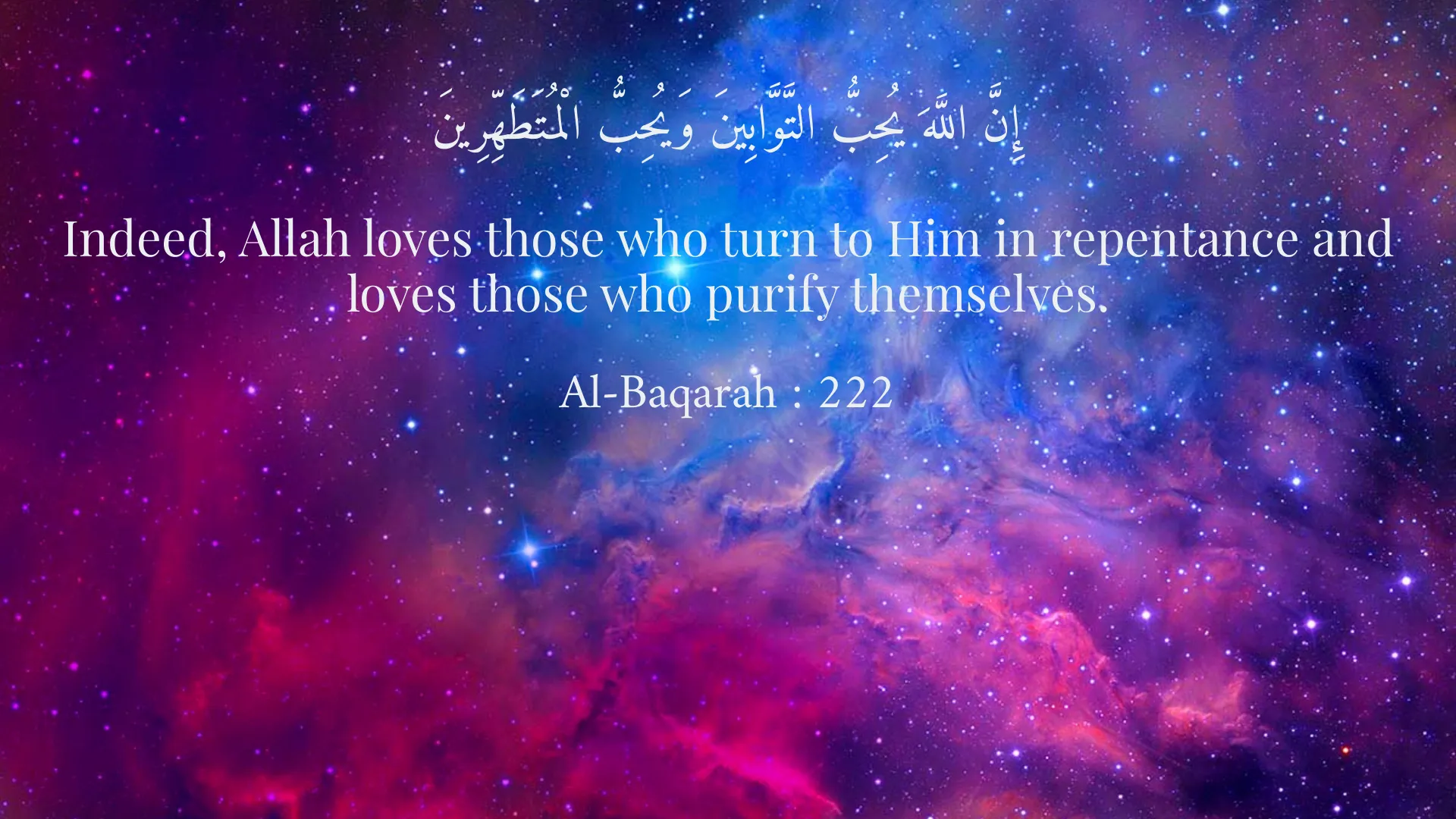
Understanding whether one's repentance has been accepted by Allah is a profound spiritual matter that, more than relying on outward, definitive signs, depends on internal transformations, steadfastness on the righteous path, and the individual's heartfelt conviction. The Holy Quran repeatedly emphasizes the importance of repentance (Tawbah) and returning to Allah, promising divine forgiveness and mercy to those who repent. The foundation of repentance rests on genuine remorse for the sin committed, abandoning that sin, and a firm resolve not to return to it in the future. These three essential pillars form the bedrock of any sincere repentance (Tawbah Nusuh). If repentance is merely verbal, but inwardly the individual still harbors a desire for the sin or intends to revert to it, then this repentance will not be considered true Tawbah Nusuh. From the Quranic perspective, the signs of accepted repentance are mostly manifested in the internal and external changes of the individual. One of the most prominent signs is a feeling of inner peace and lightness of the soul after repentance. Prior to repentance, an individual might feel guilt, regret, and a heavy burden. However, after sincere repentance, a sense of tranquility and ease settles in their heart. This peace is the fruit of certainty in divine forgiveness, which Allah has promised: "Indeed, Allah loves those who turn to Him in repentance and loves those who purify themselves." (Al-Baqarah, 2:222). This verse indicates that Allah loves those who constantly repent and purify themselves. When we feel this divine love in our hearts, it is itself a sign of acceptance. Another indicator is the abandonment of the sin one has repented from. If a person has truly regretted their sin, they not only forsake it but also distance themselves from the environments, individuals, and circumstances that lead them back to that sin. This change in behavior and lifestyle is a clear sign of the depth of repentance. This distancing from sin is not merely a temporary avoidance but a shift in values and priorities. The individual gradually loses the inclination and pleasure in committing the sin and may even feel shame and aversion when recalling it. This steadfastness and perseverance on the path of repentance serve as a confirmation of its sincerity. Furthermore, accepted repentance leads to an increased desire and inclination to perform good deeds and acts of worship. One whose repentance has been accepted does not dwell on their past but moves forward with renewed energy and motivation towards obedience to their Lord and making up for past shortcomings. Their prayers become more humble, their desire to give charity and help the needy strengthens, and they strive to compensate for any rights they may have violated. Allah says in Surah An-Nisa, verse 17: "Allah accepts the repentance of those who do evil in ignorance and then repent soon after. It is they to whom Allah will turn in forgiveness, and Allah is ever Knowing and Wise." This verse indicates that a quick return after sin is a sign of momentary ignorance rather than deep-rooted sin, and such repentance is accepted. Another subtle yet crucial sign is that the repenting person never speaks about their past misdeeds, especially in public, nor boasts about them. They understand that Allah is the Coverer of faults (As-Sattar) and has veiled their sin, so they too should not expose it. True repentance leads to humility and submission before Allah, keeping a person away from arrogance and self-admiration. In fact, the feeling of shame from past sins, even after repentance, causes the individual to always see themselves in need of divine mercy and forgiveness, which makes them more steadfast in their devotion. In Surah At-Tahrim, verse 8, we read: "O you who have believed, repent to Allah with sincere repentance. Perhaps your Lord will remove from you your misdeeds and admit you into Gardens beneath which rivers flow." This verse explicitly mentions sincere repentance and its effects. Ultimately, one must know that Allah is more merciful than to reject a servant who returns to Him with sincerity and devotion. Trust in Allah's mercy and grace is itself one of the most important signs of accepted repentance. Feeling a closer connection to Allah, a desire for intimate communion and prayer, and eagerness to perform deeds that bring His pleasure are all signs that attest to the heart's acceptance of repentance by the Lord. Therefore, focusing on internal and behavioral changes, strengthening faith, and hoping in Allah's boundless mercy are the best ways to discern the acceptance of one's repentance.
Related Verses
إِنَّ اللَّهَ يُحِبُّ التَّوَّابِينَ وَيُحِبُّ الْمُتَطَهِّرِينَ
Indeed, Allah loves those who turn to Him in repentance and loves those who purify themselves.
Al-Baqarah : 222
إِنَّمَا التَّوْبَةُ عَلَى اللَّهِ لِلَّذِينَ يَعْمَلُونَ السُّوءَ بِجَهَالَةٍ ثُمَّ يَتُوبُونَ مِن قَرِيبٍ فَأُولَٰئِكَ يَتُوبُ اللَّهُ عَلَيْهِمْ ۗ وَكَانَ اللَّهُ عَلِيمًا حَكِيمًا
Allah accepts the repentance of those who do evil in ignorance and then repent soon after. It is they to whom Allah will turn in forgiveness, and Allah is ever Knowing and Wise.
An-Nisa : 17
يَا أَيُّهَا الَّذِينَ آمَنُوا تُوبُوا إِلَى اللَّهِ تَوْبَةً نَّصُوحًا عَسَىٰ رَبُّكُمْ أَن يُكَفِّرَ عَنكُمْ سَيِّئَاتِكُمْ وَيُدْخِلَكُمْ جَنَّاتٍ تَجْرِي مِن تَحْتِهَا الْأَنْهَارُ
O you who have believed, repent to Allah with sincere repentance. Perhaps your Lord will remove from you your misdeeds and admit you into Gardens beneath which rivers flow.
At-Tahrim : 8
Short Story
In Sa'di's Gulistan, it is related that a wise man, in the middle of his life, felt remorse for his past shortcomings and decided to follow the righteous path, turning back to God from his previous ways. With a broken heart and deep regret, he devoted himself to worship and serving creation. After some time, an old friend saw him and remarked, 'My friend, what has happened to you that you have changed so much? Once you were heedless, and now you are full of asceticism and piety.' The man replied, 'My heart drew me towards God. Whenever true remorse settled in my heart and the resolve for repentance was firm, such a tranquility descended upon my soul that I had never found before. This peace and desire for good is a sign that perhaps the door of divine mercy has been opened to His servant.' Thus it is that sincere repentance not only washes away sins but also illuminates the heart with the light of hope and divine tranquility.