Quranic Answer
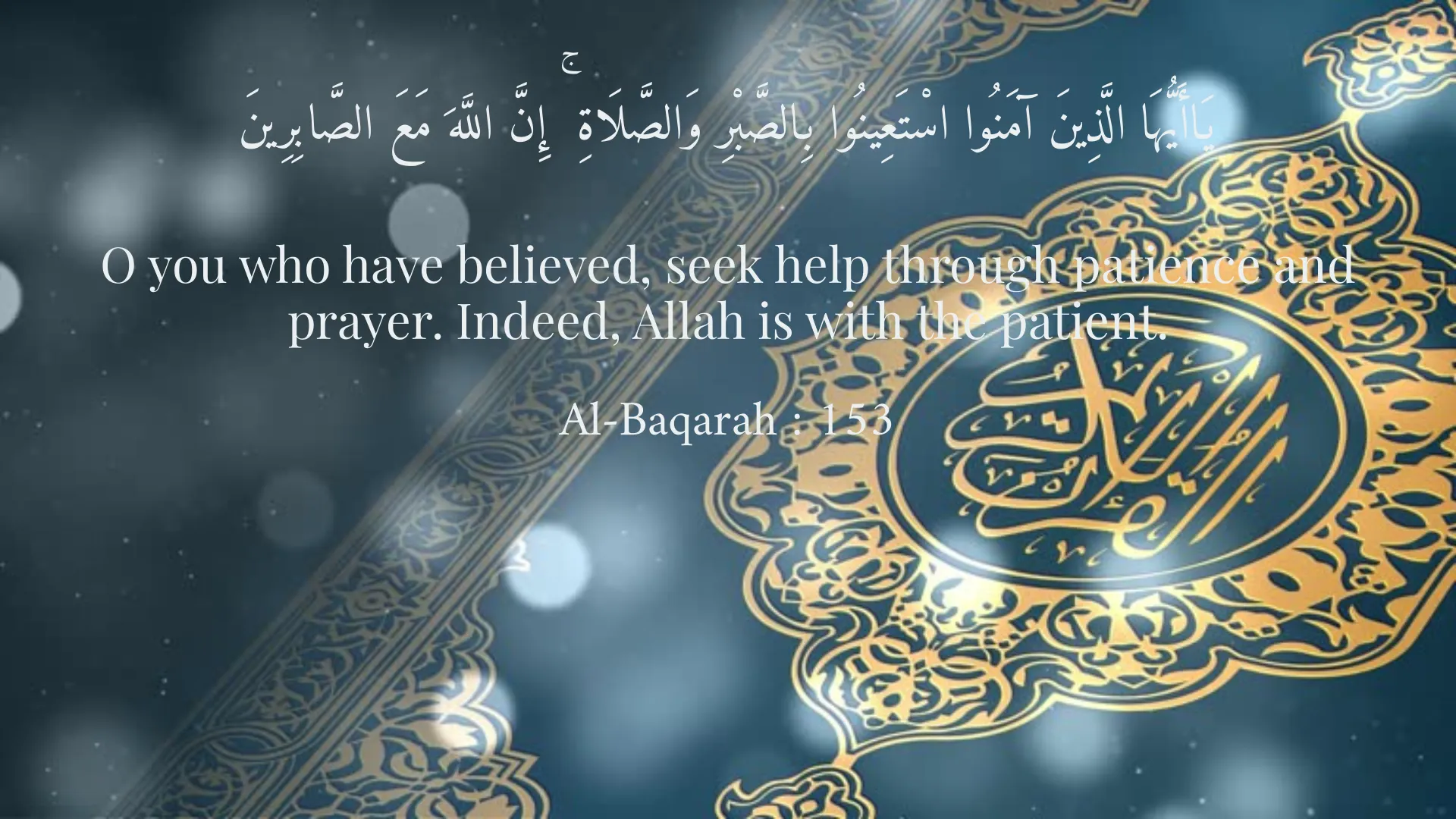
Emotional defeat is a profound and often painful experience that can afflict any individual at various points in life. This state might arise from the loss of loved ones, failure in personal or professional endeavors, confronting chronic illness, financial hardships, or any severe and unexpected crisis. Emotions such as grief, despair, worthlessness, hopelessness, and anxiety can weigh heavily on the heart and mind, diverting an individual from their normal life path. In such trying moments, finding a way to traverse this darkness, attain tranquility, and return to light is not merely an aspiration but a vital necessity for mental well-being and the continuation of life’s journey. The Holy Quran, as the divine word and the primary source of guidance for humanity, addresses the various dimensions of human existence with unparalleled insight and offers comprehensive and effective strategies for confronting these spiritual and psychological states. These strategies are firmly built upon the robust foundations of monotheism (Tawhid), patience (Sabr), trust in God (Tawakkul), prayer (Salat), remembrance of God (Dhikr), and a correct understanding of the transient nature of this world and the eternal reality of the Hereafter. The foremost and perhaps most fundamental teaching the Quran offers for escaping the grip of emotional defeat is the concept of “Sabr,” or patience. In the Quranic perspective, Sabr is far more than passive endurance or silent suffering in the face of calamities; it encompasses active steadfastness, resilience, active perseverance in confronting trials, and self-restraint from restlessness and despair. Allah, the Exalted, in numerous verses, calls upon believers to cultivate patience and promises immense and boundless rewards for those who are patient. In Surah Al-Baqarah, verse 153, Allah states: “O you who have believed, seek help through patience and prayer. Indeed, Allah is with the patient.” This verse clearly indicates that patience is an active tool for seeking help and assistance from God. When a person experiences emotional defeat, the first step is to resist the overwhelming waves of negative emotions, rather than succumbing to and drowning in them. This resistance is deeply rooted in faith in divine wisdom and planning; it is the heartfelt belief that everything that transpires holds a hidden wisdom, and that Allah never abandons His servant. Patience grants the individual the opportunity to move past the initial turmoil and shock, and to evaluate and resolve problems with a calmer and more rational mind, ultimately leading to stable peace. Alongside patience, the Quran emphasizes the crucial role of “Salat” (prayer) and “Dhikr” (remembrance and praise of God) as firm anchors in navigating spiritual and psychological storms. Prayer, as a direct and unmediated connection with the Creator of the universe, is a manifestation of human need and servitude. In moments when one feels absolute loneliness, helplessness, and defeat, standing before Allah, conversing with Him in whispers, and seeking help from His boundless power can infuse the heart with unparalleled and unique tranquility. Prayer is a precious opportunity to unburden heavy spiritual weights and to entrust all affairs to the absolute and eternal power of Allah. Beyond formal prayer, “Dhikr Allah,” or the constant remembrance of God, is the primary factor for the peace and reassurance of hearts. Surah Ar-Ra’d, verse 28, points to this truth: “Those who have believed and whose hearts are assured by the remembrance of Allah. Unquestionably, by the remembrance of Allah hearts are assured.” This verse articulates a profound psychological law: the root of many anxieties and spiritual unrest lies in distance from the remembrance and presence of God, and its definitive cure is found in returning to this remembrance and presence. This remembrance can be through the recitation of Quranic verses, glorifications (Tasbihat) and litanies, various supplications (Du’a), or even simply contemplating Allah’s immense grandeur, mercy, and limitless forgiveness. The continuous presence of Allah in one’s mind and heart saves an individual from feelings of abandonment, despair, and emptiness, and infuses them with new strength to continue their path. Another pivotal and hope-inspiring principle in the Quran is the concept of “Tawakkul,” or complete reliance on God. Tawakkul means placing one's complete and unconditional trust in God and entrusting affairs to Him, after one has exerted all possible effort and striving. In conditions of emotional defeat, an individual sometimes reaches a point where they feel utterly powerless to change the existing situation. It is precisely here that Tawakkul manifests its true meaning. The belief that Allah is the Best Disposer of affairs, and that no power exists beyond Him, not only brings profound peace to the human soul but also saves one from falling into the trap of hopelessness. The Holy Quran emphatically forbids despairing of Allah’s mercy. In Surah Az-Zumar, verse 53, it states: “Say, 'O My servants who have transgressed against themselves [by sinning], do not despair of the mercy of Allah. Indeed, Allah forgives all sins. Indeed, it is He who is the Forgiving, the Merciful.'” Although this verse primarily refers to the forgiveness of sins, its overall spirit is a prohibition against despair in any aspect of life, especially in the face of emotional and psychological problems and setbacks. Allah, the Most Gracious, the Most Merciful, always keeps the door of return, repentance, and hope open for His servants. This message of hope is an immense and vital force for rising from the bed of defeat and moving forward. The Quran teaches humanity that this “world” is transient and perishable, and in reality, it is a stage for divine testing and trial. Therefore, worldly and apparent failures should not be considered as absolute defeat or the end of the road. They are, in fact, part of divine tests and are considered opportunities for growth, learning, and drawing closer to Allah. Understanding the truth that “The life of this world is nothing but play and amusement, but the home of the Hereafter is best for those who are righteous” (Al-An’am: 32), transforms one’s perspective on difficulties and losses. When emotional defeat occurs, an individual might feel that everything is lost and there is no hope. However, the Quran constantly reminds us that the true value of a person lies in steadfastness in faith and righteous deeds, not in material achievements or fleeting social successes. This deep and correct view of existence helps individuals, when faced with losses and failures, to continue pursuing a higher purpose and to keep alive the hope for eternal and everlasting reward in their hearts. Surah Ash-Sharh (Al-Inshirah), verses 5 and 6, explicitly state this divine promise: “For indeed, with hardship [will be] ease. Indeed, with hardship [will be] ease.” These verses are not merely a firm divine promise but also articulate a cosmic and phenomenological law. After every darkness, there is light; after every difficulty, there is relief. This assurance of divine ease shines like a light of hope in the darkest moments of human spiritual and psychological distress. Finally, the Quran emphasizes the importance of “righteous deeds” and “helping others.” Sometimes, being overly engrossed in personal problems can prevent an individual from breaking free from their cycle of grief and sorrow and from paying attention to the world around them. However, engaging in acts of kindness, assisting those in need, serving God’s creation, or even actively participating in social and religious activities, can divert the mind from personal pain and restore a sense of purpose, self-worth, and meaning to life. When an individual does good to others and eases their burdens, they not only earn eternal reward but also receive positive energy and inner vitality that can have a profound impact on their own spiritual well-being. These actions, in addition to their otherworldly reward, give a person a sense of usefulness and effective connection to society, which is highly effective and instrumental in alleviating feelings of loneliness, isolation, and defeat. In summary, overcoming emotional defeat in the light of the Quran’s guiding teachings is a comprehensive, spiritual, and faith-based process. This process involves continuous practice of patience and steadfastness, heartfelt refuge in prayer and constant remembrance of God, complete and unconditional reliance on divine wisdom and mercy, avoiding despair and hopelessness from His endless grace, correcting one’s perspective and insight regarding the transience of this world and the permanence of the Hereafter, and finally, dedicating oneself to performing righteous deeds and serving humanity. The Quran teaches us that every hardship and difficulty is a prelude to ease and relief, and Allah never abandons His servants on their life’s journey, always being their helper and supporter. By relying on these principles and luminous teachings, every individual can overcome even the deepest and most arduous emotional defeats with greater strength, faith, and hope, and achieve true and lasting inner peace. This path is not merely about conquering superficial sorrow and grief but about attaining deeper growth, a stronger bond with the Creator of the universe, and discovering hidden capacities within oneself.
Related Verses
يَاأَيُّهَا الَّذِينَ آمَنُوا اسْتَعِينُوا بِالصَّبْرِ وَالصَّلَاةِ ۚ إِنَّ اللَّهَ مَعَ الصَّابِرِينَ
O you who have believed, seek help through patience and prayer. Indeed, Allah is with the patient.
Al-Baqarah : 153
الَّذِينَ آمَنُوا وَتَطْمَئِنُّ قُلُوبُهُم بِذِكْرِ اللَّهِ ۗ أَلَا بِذِكْرِ اللَّهِ تَطْمَئِنُّ الْقُلُوبُ
Those who have believed and whose hearts are assured by the remembrance of Allah. Unquestionably, by the remembrance of Allah hearts are assured.
Ar-Ra'd : 28
فَإِنَّ مَعَ الْعُسْرِ يُسْرًا
For indeed, with hardship [will be] ease.
Ash-Sharh (Al-Inshirah) : 5
إِنَّ مَعَ الْعُسْرِ يُسْرًا
Indeed, with hardship [will be] ease.
Ash-Sharh (Al-Inshirah) : 6
Short Story
It is narrated that in ancient times, a wealthy merchant, whose ship was caught in a severe storm during a sea voyage, lost all his possessions and his vessel to the depths of the ocean. He alone survived, washing ashore on an unknown coast, clinging to a piece of driftwood. The merchant, who until recently had been immersed in luxury, now found himself destitute and alone, overcome by despair. Days he spent consumed by sorrow, lamenting, 'Alas for the wasted years and lost fortune!' But a wise Shaykh, who resided on that very shore and learned of his plight, approached him and said: 'O man, this world is a fleeting abode, and all within it is perishable. Even if you had nothing of this world in your grasp, it would still be cause for gratitude that your life remains. Grieve not over what is past, but look to the future with trust in God, for He is the Provider, and indeed, after every hardship comes ease.' The merchant took heed of the Shaykh's counsel. Instead of succumbing to hopelessness, he began to work and strive, living contentedly and placing his trust in God. With the passage of time, Allah opened doors of sustenance for him that he had never imagined. He not only recovered his wealth but also found a tranquility in his heart that his former riches had never afforded him, for he had learned that what endures is patience and reliance on the Creator, not the fleeting possessions of this world.