Quranic Answer
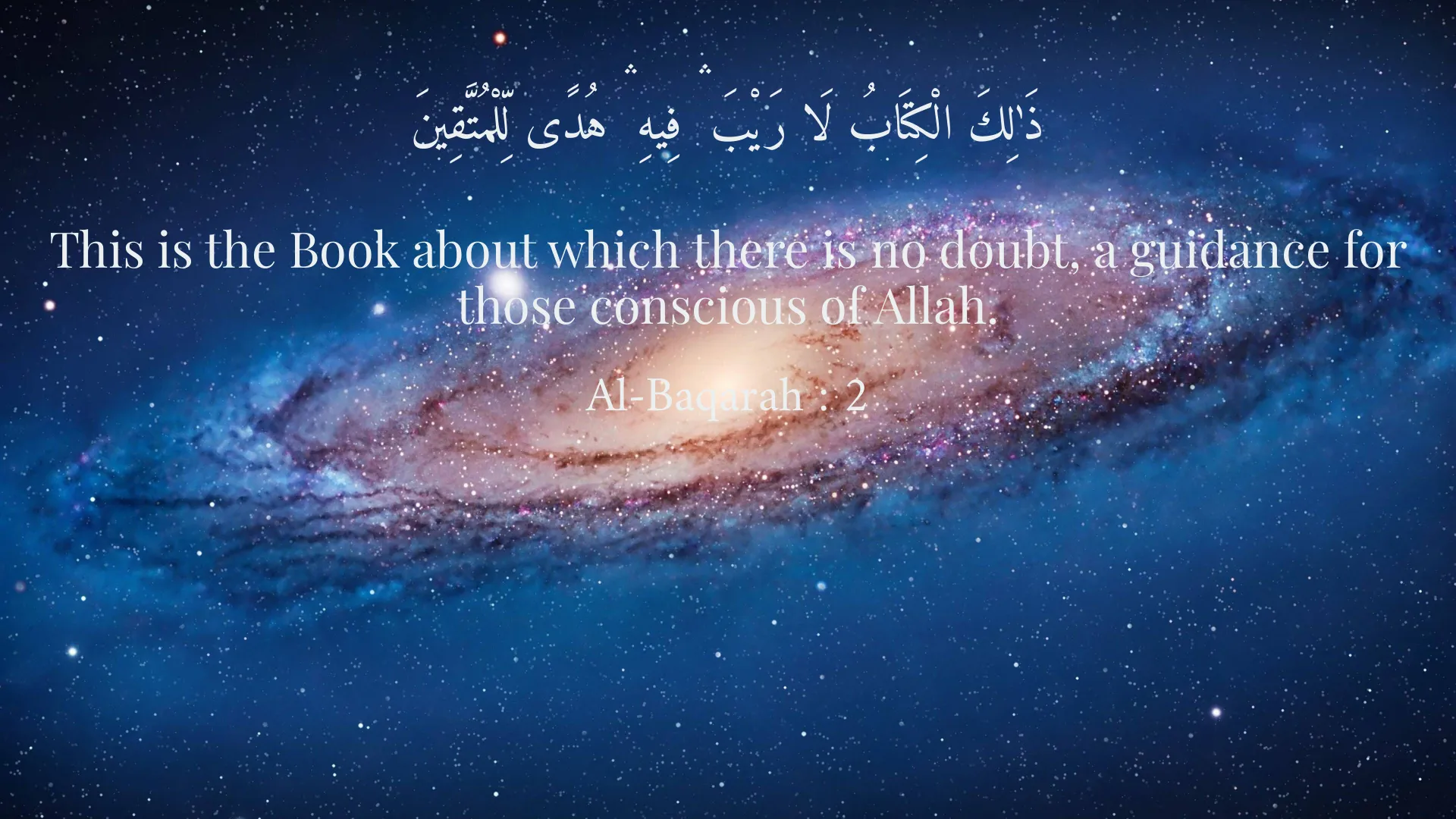
Piety in the Quran is introduced as one of the keys to achieving peace and tranquility. In the diverse world we inhabit, individuals are often in search of inner peace, guidance, and a framework through which they can navigate the complexities of life. The Quran, as the holy text of Islam, provides profound insights into achieving such tranquility through the concept of piety, known as 'Taqwa'. This article delves into the notion of piety as outlined in the Quran, emphasizing its significance as a foundational principle for fostering peace within ourselves and in our interactions with others. In Surah Al-Baqarah, verse 2, Allah states: "This is the Book about which there is no doubt, a guidance for those conscious of Allah." This verse encompasses the essence of piety. It indicates that the Quran serves as a beacon of guidance for individuals who earnestly strive to be conscious of Allah (SWT). This consciousness, or awareness, is intertwined with the ideals of piety, which encompasses a deep-seated fear of God, a commitment to fulfilling obligations, and a dedication to steering clear of actions deemed sinful. Piety is not merely a ritualistic practice but a profound state of being that influences one's thoughts, actions, and decisions. It encapsulates the fear of God along with the fulfillment of one's duties towards Him and His creation. When individuals turn to piety, they are effectively embracing a lifestyle aligned with divine commandments. This choice invariably leads to a cascade of positive changes; notably, individuals experience greater tranquility, resilience, and stability amidst life's uncertainties and challenges. Moreover, the Quran specifically addresses the overarching theme of piety and its ability to provide peace in a multitude of verses. For instance, in Surah At-Talaq, verse 2, it states: "And whoever fears Allah, He will make for him a way out." This profound statement reveals a fundamental truth regarding the relationship between piety and divine assistance. It suggests that by nurturing consciousness of Allah, individuals unlock the doors to divine guidance and support, equipping them with the tools necessary to navigate through life's obstacles. The concept of 'Taqwa' is often illustrated through various parables and teachings found within the Quran. For example, Allah describes the attributes of the pious in numerous verses, delineating the qualities that distinguish them. Pious individuals demonstrate compassion, justice, patience, and charity. They are those who consistently seek forgiveness, engage in sincere prayer, and embody the principles of humility. As such individuals cultivate these attributes in their lives, they find themselves more equipped to deal with personal and communal challenges. In addition to providing individual peace, piety fosters harmony within families, communities, and society at large. When individuals embody the principles of piety, they are more likely to treat others with respect and kindness—key ingredients for building stronger, more cohesive relationships. The ripple effects of piety can contribute significantly to reducing conflicts and fostering an environment conducive to peace. One striking example from the life of the Prophet Muhammad (peace be upon him) reveals how piety instills inner peace and collective harmony. His embodiment of pious conduct towards both friends and adversaries illustrates how treating others with empathy and understanding—even in the face of hostility—can yield transformative results. His life serves as a powerful testament to the profound impact of piety as a means of achieving peace, both within oneself and within communities. Furthermore, piety as a concept in Islam is proven to have psychological benefits, worth exploring in the context of modern times. Many individuals today are in pursuit of mental well-being, grappling with stress, anxiety, and uncertainty. Research has shown that spirituality and religiousness often correlate with improved mental health outcomes. When individuals actively engage in pious practices—such as prayer, reflection, and acts of service—they can experience a heightened sense of belonging, purpose, and calmness, which translates into profound emotional stability. Moreover, today's societal landscape underscores the necessity for piety, particularly in pursuit of social justice. In a world heavily laden with discord and division, the principles of compassion and justice as advocated in the Quran become crucial. By embracing piety, individuals are more likely to resist injustice and advocate for the marginalized. This alignment with divine ethics provides a clear pathway towards fostering societal peace and resolution of conflicts. As we navigate through our daily lives, integrating piety does not demand monumental changes; rather, small, consistent actions can lead to remarkable transformations. Simple yet impactful practices, such as engaging in daily prayer, reflecting on one's actions, engaging in community service, practicing gratitude, and seeking forgiveness, are powerful tools to cultivate a heart filled with piety. As individuals begin to embody these principles, they foster an internal atmosphere of peace while also contributing positively to their communities. In summation, piety as emphasized in the Quran emerges as an essential element that guides us towards achieving peace in our hearts and confronting the challenges of life. The relationship between a conscious awareness of Allah and the tranquility that ensues is a reminder of the profound wisdom embedded within the Quran. By embracing and practicing piety, individuals can pave their way to a peaceful existence, characterized by resilience, harmony, and contentment. The teachings of the Quran extend beyond mere guidance; they encapsulate a framework for leading our lives in alignment with divine attributes, ultimately guiding society toward collective peace and harmony.
Related Verses
ذَٰلِكَ الْكِتَابُ لَا رَيْبَ ۛ فِيهِ ۛ هُدًى لِّلْمُتَّقِينَ
This is the Book about which there is no doubt, a guidance for those conscious of Allah.
Al-Baqarah : 2
وَمَن يَتَّقِ اللَّـهَ يَجْعَل لَّهُ مَخْرَجًا
And whoever fears Allah, He will make for him a way out.
At-Talaq : 2
Short Story
On a beautiful day, Amir felt a sense of unease in his heart. He decided to go to nature and remember God there. Sitting on a rock by the lake and reflecting on the beauty of creation reminded him of the Quranic verses that said, 'Tranquility is found in the remembrance of Allah.' When he returned home, he felt as if a heavy burden had been lifted from his shoulders.