Quranic Answer
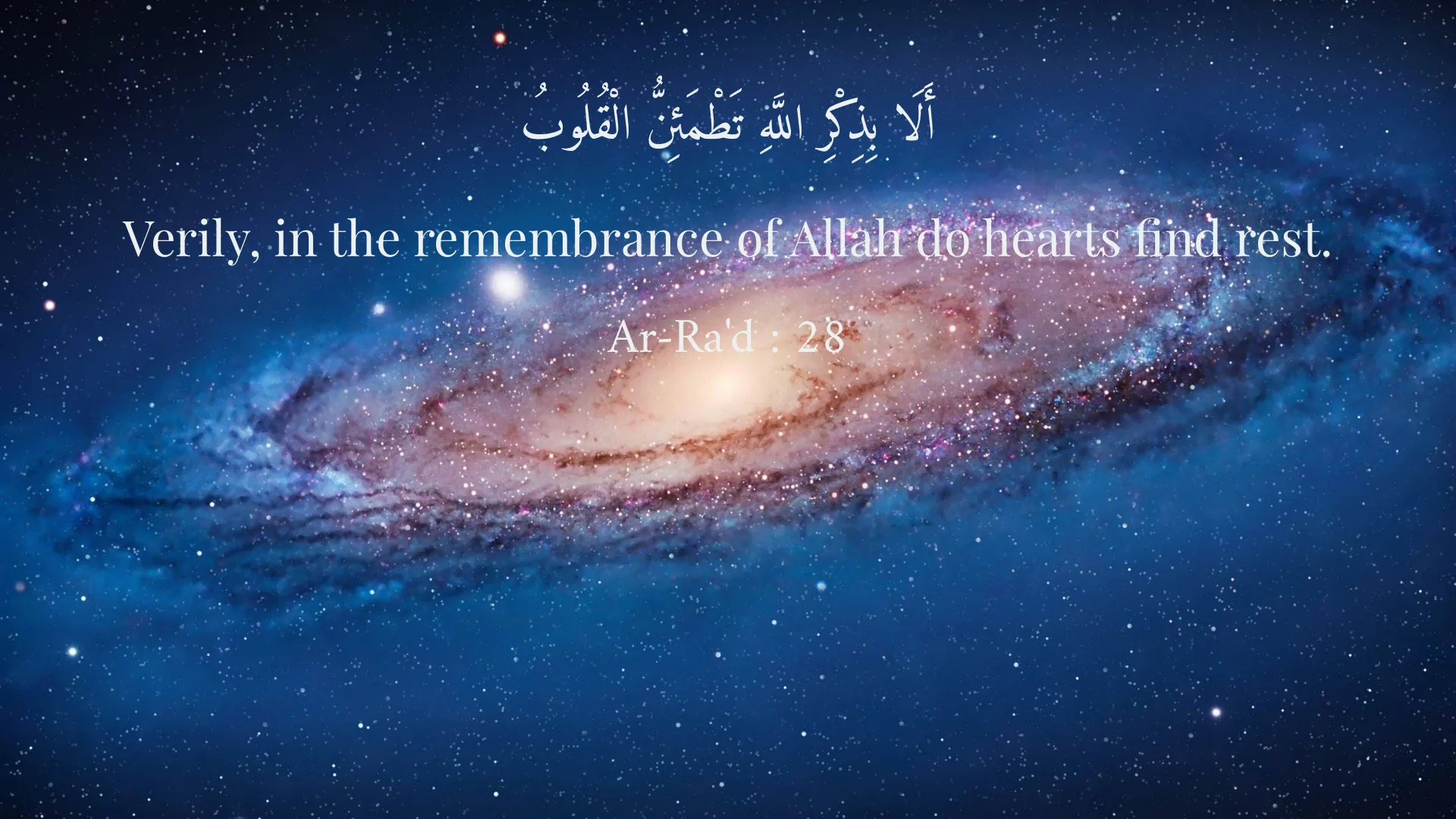
Mental peace, often considered an elusive state for many, can significantly enhance an individual's overall quality of life. In the pursuit of tranquility, the Holy Quran, as a divine guide, provides clear strategies and teachings that underscore the importance of connecting with Allah. The Quranic verses, interwoven with wisdom and deep insights, foster a path toward tranquility that marries faith with practical applications. This article delves into the key Quranic teachings that illuminate the road to mental peace, focusing primarily on the concepts of remembrance of Allah, prayer, and embracing divine wisdom. To begin with, one of the essential aspects of attaining mental tranquility is the remembrance of Allah, or Dhikr. This spiritual practice is not merely an act of recitation; it serves as a profound means of connecting one's heart and mind to the divine. In Surah Ar-Ra'd, verse 28, it is stated: "Verily, in the remembrance of Allah do hearts find rest." This powerful assertion highlights that the essence of inner peace is found in turning towards Allah, the All-Merciful, and placing trust in Him. The repetitive invocation of Allah’s name, whether through prayer, chanting, or even silent meditation, allows individuals to generate a sense of calmness, clear their thoughts, and refocus their energies, drawing them away from distractions and emotional turmoil that complexities of life often bring. Furthermore, the concept of surrender enhances this tranquil state of mind. Surah Al-Baqarah, verse 286, eloquently states: "Allah does not burden a soul beyond that it can bear." This profound message is a reminder to individuals that while life may present challenges that seem insurmountable at times, there is an inherent wisdom in Allah’s commands. Believing in this divine wisdom is of utmost importance. It encourages one to trust the process and accept that every trial is tailored to the individual's capacity to withstand it. By embracing this idea, people can cultivate a mindset that fosters resilience and aids in navigating through difficult times with grace and composure. Recognizing that trials are not meant to overwhelm but rather to strengthen can be a catalyst for mental peace. Moreover, prayer holds a significant, transformative role in achieving and maintaining mental serenity. As elucidated in Surah Al-Anfal, verse 49, believers are advised to "establish the prayer." Prayer is not only a ritualistic observance but a potent avenue for communicating with Allah, establishing a connection that transcends the mundane. The act of praying induces a sense of discipline, provides structure to daily routines, and enables believers to pause and reflect, which is necessary in today’s fast-paced world. Engaging in prayer helps individuals articulate their fears, ambitions, and desires before Allah, thereby alleviating emotional burdens and fostering an internal atmosphere of peace. The postures involved in prayer, including bowing and prostration, serve as physical manifestations of humility and submission, grounding the individual in their faith and promoting emotional stability. Another crucial aspect of attaining mental peace is navigating through life’s challenges with the right perspective. The Quran teaches that adversities serve as tests from Allah, a notion that can fundamentally alter one's approach towards hardships. Realizing that every difficulty encountered is designed to refine one's character and fortify faith can shift one’s mindset from that of defeat to resilience. This perspective fosters a tranquil spirit, as individuals learn to embrace struggles rather than shy away from them, thus allowing personal growth and development to flourish. In addition to the aforementioned strategies, engaging with the Quran itself is an invaluable resource for mental peace. The Quran contains verses that address various facets of human existence—comfort during loss, patience in trials, and the rewards of steadfastness. Reflecting on these teachings can invoke feelings of solace and security. Additionally, holding regular sessions of Quranic recitation or study can cultivate an environment of peace that extends beyond the individual, nourishing the community as a whole. Sharing the verses and their meanings allows for collective understanding and support, further establishing a foundation of tranquility. Moreover, it is essential to remember that mental peace is not merely the absence of distress but rather the presence of positive attributes such as gratitude, contentment, and understanding. The Quran emphasizes gratitude as a pivotal trait for believers. Surah Ibrahim, verse 7 states, "And remember, when your Lord proclaimed: 'If you give thanks, I will surely increase your favor upon you.'" Gratitude shifts focus from complaints to appreciation, allowing individuals to recognize the blessings in their lives, regardless of their situations. This simple act of acknowledging goodness can lead to profound transformations in one's mental state. To cultivate a habit of remembrance, prayer, and gratitude, one must approach these practices with intentionality and mindfulness. Setting aside dedicated time for prayer, engaging in Dhikr, and reflecting upon the meanings of Quranic verses can create a sanctuary of peace in one’s daily life. The integration of these practices into everyday routines not only enhances spiritual connection but also serves as a proactive approach in combating stress and anxiety. In conclusion, the Holy Quran provides profound insights and clear strategies for attaining mental peace rooted in the remembrance of Allah, the practice of prayer, and the embrace of divine wisdom. By engaging in these practices, individuals can cultivate inner tranquility, find purpose amidst their trials, and strengthen their connection to Allah. As one navigates through the inevitable challenges of life, these teachings serve as reassuring reminders of the peaceful existence accessible through faith and spiritual devotion, ultimately encouraging each individual to strive towards a state of mental serenity.
Related Verses
أَلَا بِذِكْرِ اللَّهِ تَطْمَئِنُّ الْقُلُوبُ
Verily, in the remembrance of Allah do hearts find rest.
Ar-Ra'd : 28
لَا يُكَلِّفُ اللَّهُ نَفْسًا إِلَّا وُسْعَهَا
Allah does not burden a soul beyond that it can bear.
Al-Baqarah : 286
أَقِيمُوا الصَّلَاةَ
Establish the prayer.
Al-Anfal : 49
Short Story
One day, a man sought mental peace and went to the mosque. In his prayer, he remembered God sincerely and tried to empty his heart of all worries. After the prayer, he felt a heart filled with peace. He learned that through the remembrance of God and prayer, he could find tranquility.