Quranic Answer
The Holy Quran, regarded as a comprehensive guide for humanity, addresses various aspects of human life, including the often-challenging theme of confronting personality weaknesses. This theme is crucial for personal development and spiritual growth, as it encourages individuals to reflect on their shortcomings and strive for improvement. The Quran presents a multifaceted approach to overcoming these weaknesses, emphasizing self-awareness, prayer, patience, and the importance of community. Throughout various verses, the teachings of Islam provide a framework for understanding and addressing personal flaws, ultimately leading to a holistically healthier and more fulfilling life. One of the fundamental approaches highlighted in the Quran for confronting personality weaknesses is self-awareness. Self-awareness is the ability to recognize one’s thoughts, emotions, and behaviors, and to understand how they align with one’s values and beliefs. In Surah Al-Baqarah, verse 286, Allah illustrates this with the statement: "Allah does not burden a soul beyond that it can bear..." This powerful verse signifies that each individual possesses unique capabilities and limitations. It encourages self-reflection, urging us to assess our strengths and weaknesses. When a person acknowledges their weaknesses, they grant themselves the opportunity to grow and improve. The journey of self-awareness fosters resilience and empowers individuals to rise above their shortcomings, as they begin to see their potential beyond their immediate struggles. Furthermore, self-awareness leads to self-acceptance, which is a crucial step towards personal transformation. Accepting one's weaknesses is not an act of defeat but rather a catalyst for growth. It serves as a starting point for establishing realistic goals and creating a plan for development. When an individual recognizes that they can overcome their challenges, they cultivate a sense of trust in their abilities. This trust, bolstered by self-awareness, gradually enables them to confront and conquer their personality challenges. In addition to self-awareness, the Quran highlights the significance of prayer and maintaining a connection with God as vital elements in confronting personal issues. Communication with the Divine serves as a powerful source of inner strength. In Surah Al-Imran, verse 139, Allah reassures us with the words: "And do not lose hope, nor be sad..." This message speaks volumes during times of distress, failure, or hardship. It serves as a compelling reminder that faith can be a lighthouse in turbulent waters. By turning to Allah through prayer, individuals are encouraged to seek guidance and comfort. This connection nourishes the soul and reinforces a sense of hope, motivating individuals to persevere in the face of adversity. Moreover, the Quran emphasizes patience and piety as indispensable virtues in confronting personality weaknesses. Surah Al-An'am, verse 153 states: "And remember that Allah will not leave you alone in these circumstances." This verse encourages believers to embrace patience, understanding that life’s difficulties are part of their growth journey. Patience allows individuals to endure challenges without succumbing to despair, while piety serves to align their actions with their spiritual values. Together, these virtues cultivate resilience, fostering a mindset that is conducive to overcoming obstacles. Addressing personality weaknesses does not solely rely on self-effort; it also highlights the importance of accepting help from others. The Quran emphasizes the necessity of companionship and mutual support among believers. In Surah At-Tawbah, verse 71, Allah states: "And the believing men and believing women are allies of one another..." The communal aspect of human existence is a significant theme in Islamic teachings. Engaging with others opens pathways for sharing experiences, advice, and encouragement. When individuals seek to confront their weaknesses collaboratively, they create a support system that can effectively uplift morale and promote healing. In challenging times, having a trusted confidant can make a substantial difference. Conversations with friends or mentors can provide new perspectives that enable one to see beyond their limitations. Encouragement from others reinforces the belief in oneself, fostering a more optimistic outlook. By sharing vulnerabilities with trusted allies, individuals often find that they are not alone in their struggles, which can alleviate feelings of isolation and self-doubt. Ultimately, the journey of confronting personality weaknesses as outlined in the Holy Quran requires a proactive approach that integrates self-awareness, prayer, patience, and community support. The Quran serves not only as a spiritual guide but also as a comprehensive framework for personal development. It emphasizes the importance of breaking down barriers, such as fear and shame, that hinder progress. By fostering self-confidence and promoting a deeper understanding of oneself, individuals can embark on a transformative journey to embrace their true potential. In conclusion, confronting personality weaknesses is a deeply personal and enriching process that is well addressed within the teachings of the Holy Quran. Through self-awareness, prayer, patience, and community support, individuals are empowered and equipped to face their challenges head-on. The Quranic guidance offers reassurance, encouragement, and wisdom, ultimately leading to a more profound understanding of oneself. As believers engage with these teachings, they embark on a path toward personal growth, spiritual fulfillment, and a stronger connection with Allah and their communities.
Related Verses
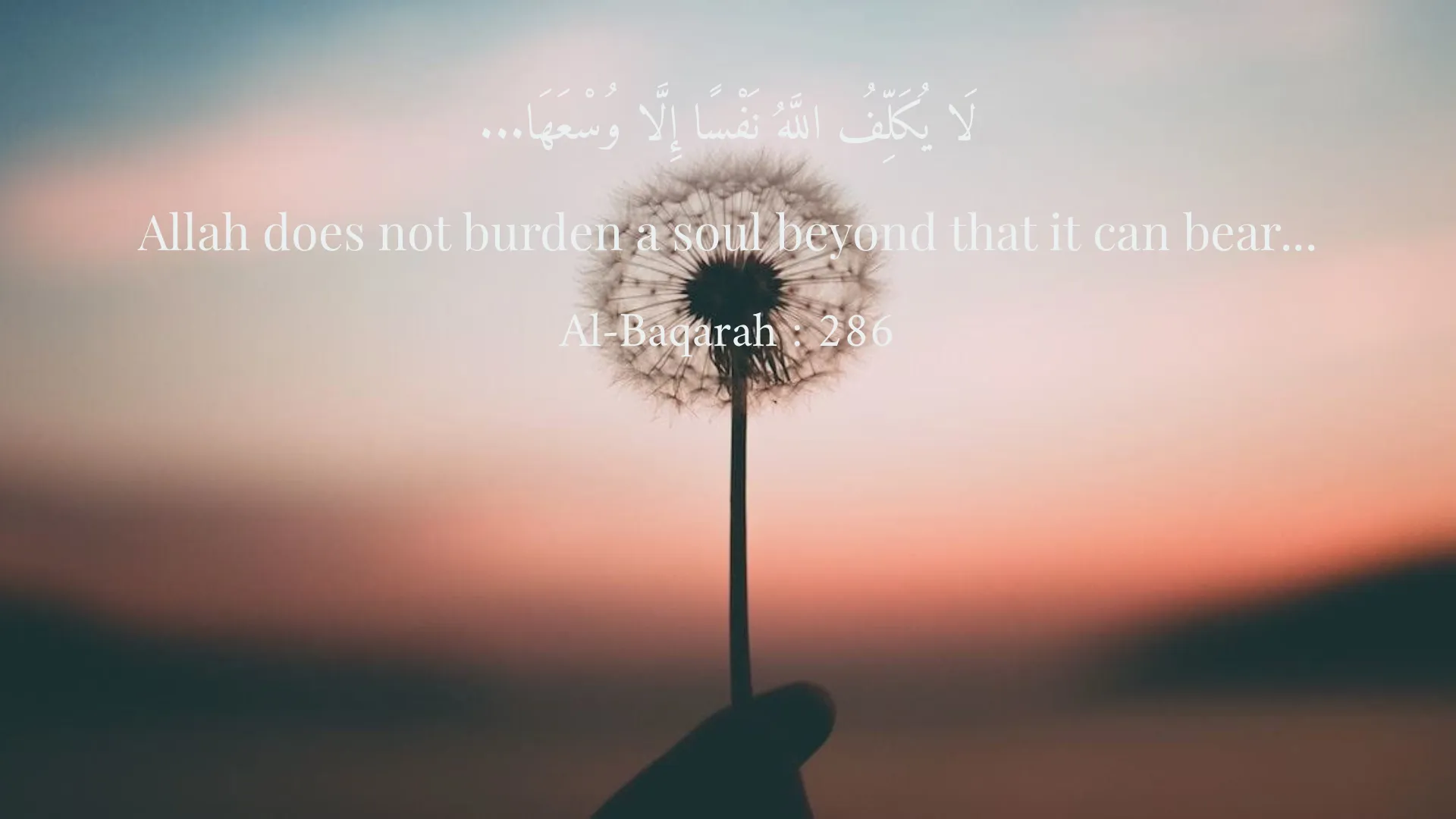
لَا يُكَلِّفُ اللَّهُ نَفْسًا إِلَّا وُسْعَهَا...
Allah does not burden a soul beyond that it can bear...
Al-Baqarah : 286
وَلَا تَهِنُوا وَلَا تَحْزَنُوا...
And do not lose hope, nor be sad...
Al-Imran : 139
وَالْمُؤْمِنُونَ وَالْمُؤْمِنَاتُ بَعْضُهُمْ أَوْلِيَاءُ بَعْضٍ...
And the believing men and believing women are allies of one another...
At-Tawbah : 71
Short Story
Once upon a time, there was a man named Hasan who struggled with his personality weaknesses. One day, while reading the Quran, he came across the verse "Allah does not burden a soul beyond that it can bear," and this phrase resonated deeply within him. He decided to confront his weaknesses step by step. He began to pray and talk with his friends. Gradually, he realized that with increased self-confidence, he could correct behaviors stemming from his weaknesses and felt much happier.