Quranic Answer
Understanding whether you are content with your sustenance is an important topic emphasized in the Holy Quran and by the teachings of the Prophet Muhammad (PBUH). Contentment is not merely a state of mind but a profound acceptance of one’s circumstances that fosters peace and fulfillment. In a world characterized by constant comparisons and relentless pursuit of more, the teachings of Islam offer a refreshing perspective on what it means to be truly content. The Quran, as a divine guide, encapsulates wisdom that addresses the heart of this issue. In this article, we will explore the Quranic verses and prophetic traditions that shed light on contentment with one's sustenance, ultimately leading to a life filled with peace and gratitude. The concept of sustenance in Islam extends beyond mere physical provisions, encompassing emotional, spiritual, and social aspects of life. Allah’s reassurance that He is responsible for everything we need is a pivotal teaching that sets the foundation for our understanding of sustenance. Specifically, in Surah Hud, verse 6, it states, "And there is no creature on earth but that upon Allah is its provision." This verse serves as a reminder that every creature—regardless of its status or circumstances—is inherently taken care of by Allah. For the believer, this serves as a source of profound comfort and reassurance. It emphasizes that divine wisdom governs the provisions of all beings. When one internalizes this belief, it fosters an inherent sense of contentment. Many individuals find themselves preoccupied with their daily struggles, often fixated on shortages and insufficiencies in life. However, the understanding that sustenance is predetermined and provided by Allah allows one to let go of anxieties about worldly provisions. This notion is liberating; it shifts focus from a scarcity mentality to an abundance mentality. It cultivates patience and trust in divine wisdom. Patience is another key that unlocks the door to contentment. Life's challenges are a part of the journey, and how we perceive these challenges often determines our level of inner peace. The necessity of patience is eloquently stated in the Quran. In Surah Al-Baqarah, verse 153, it emphasizes, "O you who have believed, seek help through patience and prayer. Indeed, Allah is with the patient." This verse reassures us that in times of difficulty, turning to faith, patience, and prayer can ease our burdens. When we embody these qualities, we learn to navigate life’s ups and downs with grace and tranquility. Moreover, gratitude plays a critical role in achieving contentment. In Surah Ibrahim, verse 7, it mentions, "And remember when your Lord proclaimed: If you give thanks, I will surely increase your favor upon you." Gratitude opens our hearts to recognize the countless blessings in our lives, from simple daily provisions to the deeper, more profound experiences that shape us. By regularly acknowledging what we are thankful for—be it our health, relationships, or opportunities for growth—we cultivate a positive outlook. This is not merely a psychological exercise; it is an act of worship. Expressing gratitude reinforces our connection with Allah and fosters an appreciation for His infinite mercy and grace. In considering the relationship between sustenance, patience, and gratitude, we see how these elements coalesce to create a state of contentment. True contentment is not tied to wealth or material possessions; rather, it flourishes in a heart that recognizes the abundance already present. As Muslims, we are encouraged to reflect on our lives, to seek out the countless gifts that Allah has endowed upon us, and to maintain a spirit of thankfulness. Furthermore, the life of the Prophet Muhammad (PBUH) provides a beautiful model of contentment. Despite facing significant hardships, including poverty and loss, his ability to find joy in simple moments and his unwavering faith in Allah serve as an example for all believers. His life was a testament to the idea that true wealth lies not in what one possesses, but in the richness of faith, community, and character. The Prophet often reminded his companions about the merits of being grateful and patient. His teachings continue to inspire millions to seek a life filled with gratitude and acceptance instead of envy and dissatisfaction. The consequences of lacking contentment can be dire. When individuals become entrenched in the mindset of scarcity, it can lead to anxiety, stress, and even depression. Individuals may find themselves constantly chasing after the next goal or possession, believing that fulfillment lies in accumulation. However, this is a fleeting pursuit that seldom brings lasting happiness. Instead, when we embrace the idea of being content with what we have, we can cultivate a more profound sense of well-being that promotes mental and emotional health. Practicing contentment with one's sustenance allows for a simpler, more peaceful way of living. It invities joy in the mundane and appreciation for what is often overlooked. From a warm meal to the love of family and friends, these essential elements of life hold incredible value. The journey toward contentment requires constant effort and mindfulness. It is about reevaluating our perspectives and learning to appreciate the present moment. In conclusion, the teachings of the Quran, coupled with the example of the Prophet Muhammad (PBUH), implore believers to cultivate contentment with the provision they receive. This involves trust in Allah, practicing patience in times of distress, and expressing gratitude for all of life’s blessings. When one finds contentment in sustenance, they can experience a profound sense of peace, ultimately allowing them to enjoy life in its currently offered form. When we fully embrace these values, we align ourselves with a life that is joyous, meaningful, and fulfilling, even in its simplicity.
Related Verses
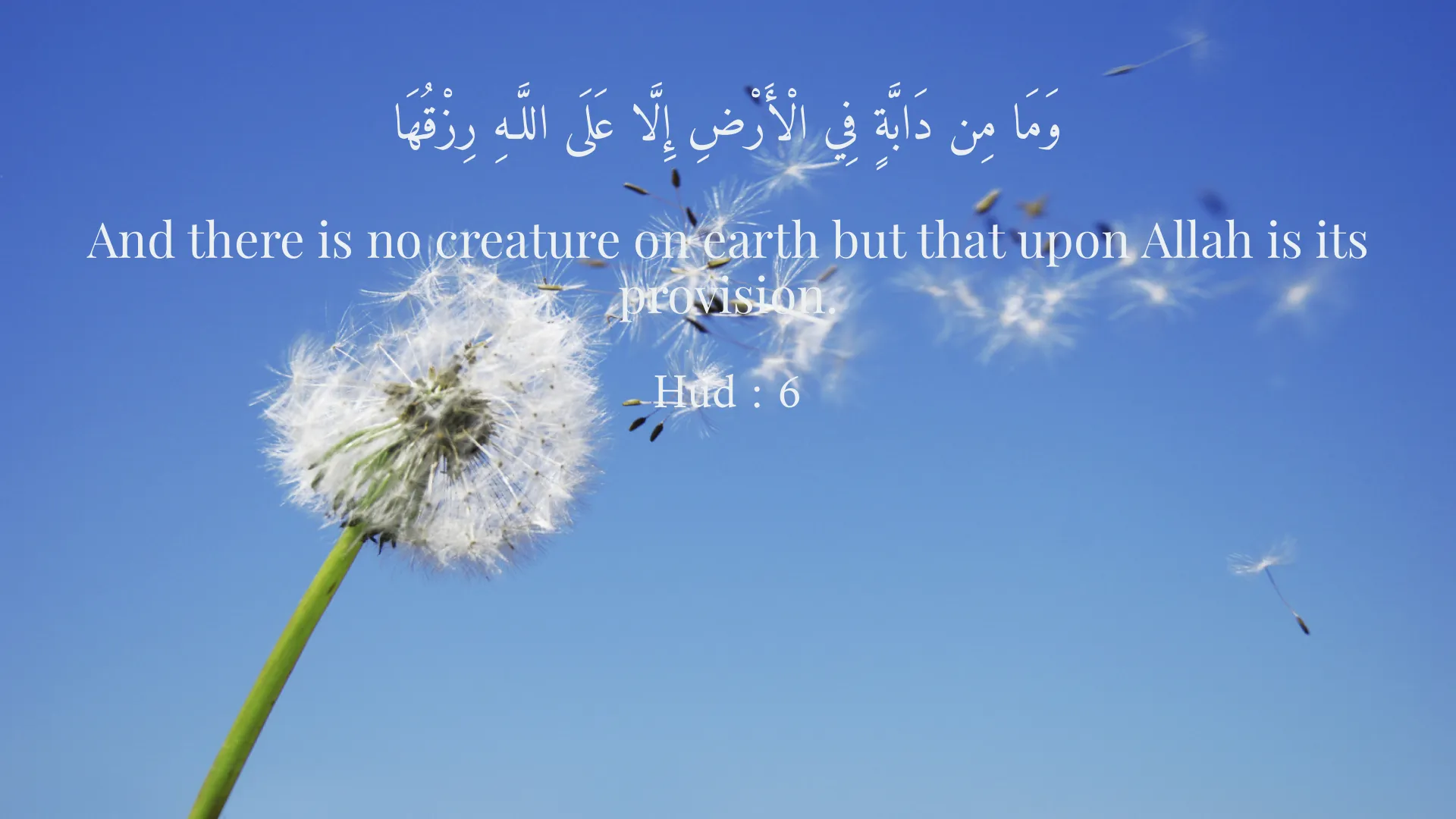
وَمَا مِن دَابَّةٍ فِي الْأَرْضِ إِلَّا عَلَى اللَّـهِ رِزْقُهَا
And there is no creature on earth but that upon Allah is its provision.
Hud : 6
وَإِذْ أَذَّنَ رَبُّكُمْ لَئِن شَكَرْتُمْ لَأَزِيدَنَّكُمْ
And remember when your Lord proclaimed: If you give thanks, I will surely increase your favor upon you.
Ibrahim : 7
Short Story
Once upon a time, there was a man named Ahmad who always worried about his sustenance. Every day he prayed and asked Allah for provision. One day, he asked a great sage why he always felt like he didn't have enough sustenance. The sage replied, 'Look, when you are grateful to Allah, your sustenance will be blessed. If you are content with what you have, Allah will grant you more.' Ahmad took this advice to heart and began expressing gratitude for everything he had. Over time, he realized that his life had changed, and he no longer worried about his sustenance.