Quranic Answer
The question, "How do we know what is eating us from within?" delves into the profound state of the human soul and psyche. Although the Holy Quran does not use the exact phrase "eating us from within," it extensively addresses spiritual ailments, inner diseases, sins, heedlessness, excessive attachment to worldly life, envy, arrogance, hypocrisy, and other moral vices. The destructive consequences of these internal conditions are precisely what can hollow out and ultimately destroy a person from within, diminishing their peace, faith, and overall well-being. These harms affect not only the individual's spirit but also their body, social relationships, and quality of life, as there is a direct correlation between inner and outer well-being. 1. Signs of Inner Ailments from a Quranic Perspective: The Quran teaches that the heart (qalb) is the core of human perception, emotions, and decisions. Diseases of the heart are what truly "eat a person from within." These ailments manifest in various ways: * Anxiety and Spiritual Restlessness: One of the clearest indicators of an internal problem is the loss of inner peace and tranquility. Hearts that are heedless of God or tainted by sin often experience anxiety and turmoil. Allah states in Surah Ar-Ra'd (13:28): "Those who have believed and whose hearts are assured by the remembrance of Allah. Unquestionably, by the remembrance of Allah hearts are assured." If we consistently feel restless and troubled in life, it is a strong sign that something within us has damaged our spiritual peace and well-being. * Hardness of Heart (Qaswat al-Qalb): Repeated sins, lack of repentance, and persistence in error can make the heart hard and impervious, to the extent that it no longer responds to divine verses, admonition, or even life's adversities. The Quran in Surah Al-Baqarah (2:74) describes this: "Then thereafter your hearts hardened and became like stones or even worse in hardness." A hardened heart cannot perceive spiritual joy or connection with God, which itself is a form of inner death. * Heedlessness and Forgetfulness of the Hereafter and Life's True Purpose (Ghaflah): Excessive preoccupation with worldly matters, intense attachment to materialism, and forgetting the ultimate purpose of creation and eternal life are among the most detrimental afflictions that can rot a person from within. Such individuals become deeply attached to fleeting worldly pleasures, neglecting their primary duties towards God and His creation. This heedlessness leads to a sense of emptiness and meaninglessness in life. * Manifestation of Moral Vices: Traits such as arrogance (kibr), envy (hasad), hypocrisy (riya'), lying, backbiting, stinginess, greed, and insincerity not only damage a person's relationships with others but also torment them internally, sickening their soul. Envy consumes the envious person from within, robbing them of peace. Arrogance creates a veil between an individual and the truth, preventing correct understanding of reality. These vices, like a blight, destroy human virtues. * Lethargy and Laziness in Worship, and Detachment from Spirituality: When a person is spiritually sick, they lack the enthusiasm and motivation for worship, remembrance (dhikr), supplication (du'a), and drawing closer to Allah. This is a clear sign of spiritual decline and the hollowing out of the heart. Neglecting worship and good deeds exacerbates this negative cycle, deepening the inner illness. * Persistent Guilt and Remorse: While initial feelings of guilt can be constructive, accumulated sins and a lack of sincere repentance can turn into perpetual remorse that robs a person of peace and eats away at them from within. 2. Ways to Diagnose and Treat (from a Quranic Perspective): To understand what is "eating us from within" and how to remedy it, the Quran provides clear and practical guidance: * Self-Awareness and Contemplation (Muhasabat al-Nafs): The Quran encourages humans to reflect on themselves and the universe. Contemplation of one's actions, intentions, and their impact on one's spiritual state is the first step in diagnosing inner ailments. One must honestly confront oneself and identify what has robbed them of peace or distanced them from Allah. Daily self-accountability, before sleeping, helps identify inner weaknesses and provides an opportunity for repentance and rectification. * Referring to the Quran and Sunnah: The Quran is a healing for the hearts. Deliberating on its verses and acting upon its commands is the best way to purify the inner self and diagnose heart diseases. Quranic verses reveal truths that can expose inner vices. The Sunnah of Prophet Muhammad (peace be upon him) also provides a practical guide to achieving spiritual well-being. * Remembrance of Allah (Dhikr): As indicated in Surah Ar-Ra'd (13:28), the remembrance of Allah brings tranquility to hearts. Continuous remembrance (such as tasbih, hamd, istighfar, salawat) removes the veils from the heart and illuminates it. Dhikr leads to the awakening and alertness of the heart and eliminates internal whispers and temptations. * Sincere Repentance (Tawbah) and Seeking Forgiveness (Istighfar): Sins are like rust that accumulates on the heart, darkening and sickening it. Allah says in Surah Al-Mutaffifin (83:14): "No! Rather, the rust has covered their hearts from what they used to earn." Sincere repentance and seeking forgiveness remove this rust, purifying the heart and giving it new life. Repentance is a bridge back to Allah and a liberation from the burden of sins. * Patience (Sabr) and Prayer (Salat): In Surah Al-Baqarah (2:45), Allah says: "And seek help through patience and prayer, and indeed, it is difficult except for the humble [in prayer]." Patience in facing difficulties and resisting sins, along with prayer as the pillar of religion and the believer's ascension, are powerful tools for strengthening the inner self and fending off internal harms. Prayer is a direct connection to the Creator and can cleanse the soul. * Righteous Deeds (Amal Salih) and Purification of the Soul (Tazkiyat al-Nafs): Performing good deeds, helping others, showing kindness, honesty, trustworthiness, and abstaining from forbidden acts all contribute to spiritual purity and growth, keeping the heart alive. Surah Ash-Shams (91:9-10) declares: "He has succeeded who purifies it (the soul), and he has failed who corrupts it." The purification of the soul (tazkiyat al-nafs) is precisely this internal cleansing that leads to eternal success. * Choosing Righteous Company and Avoiding Negative Environments: Associating with weak-faithed individuals or sinful environments can exacerbate internal impurities and lead a person astray. The Quran emphasizes the importance of companionship with the righteous and the pious, as they can be helpful on the path of spiritual growth. * Reliance on Allah (Tawakkul): Entrusting one's affairs to Allah and relying on Divine providence removes worries and anxieties stemming from worldly attachments, bringing inner peace and stability. Tawakkul frees a person from the fear of loss and undue greed. Ultimately, understanding what is "eating us from within" is an inner journey that requires deep self-awareness and adherence to divine teachings. Any form of restlessness, weakness in faith, or moral vice is a sign of this internal "corrosion" that must be addressed with the help of the Quran and reliance on Allah. These internal harms often stem from worldly attachments, forgetting the main purpose of life, and committing sins. Through repentance, remembrance of Allah, and righteous deeds, one can find liberation from them and attain true tranquility. This path requires continuous effort and perseverance to cleanse the soul and achieve spiritual perfection, leading to a fruitful and meaningful life.
Related Verses
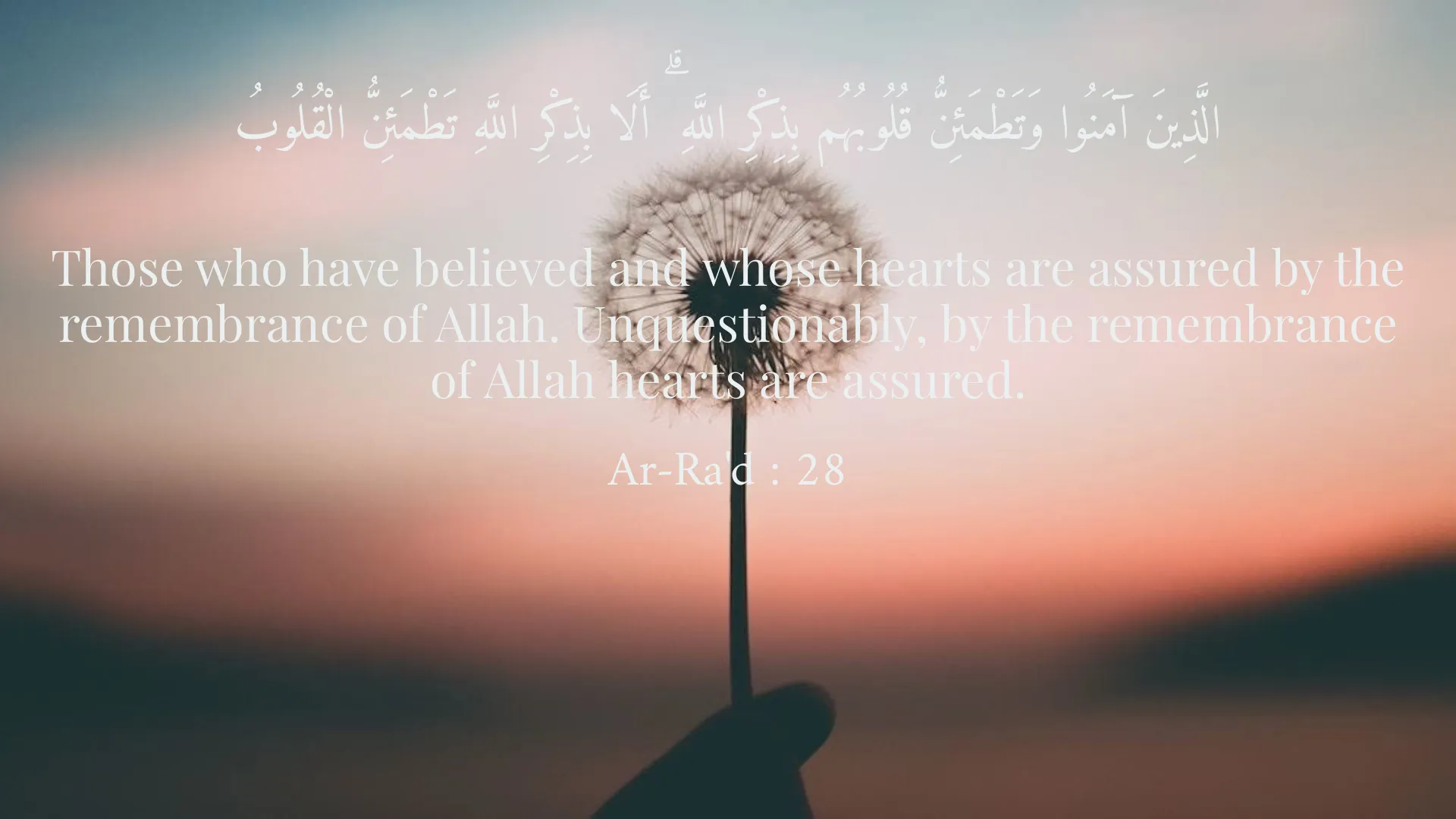
الَّذِينَ آمَنُوا وَتَطْمَئِنُّ قُلُوبُهُم بِذِكْرِ اللَّهِ ۗ أَلَا بِذِكْرِ اللَّهِ تَطْمَئِنُّ الْقُلُوبُ
Those who have believed and whose hearts are assured by the remembrance of Allah. Unquestionably, by the remembrance of Allah hearts are assured.
Ar-Ra'd : 28
قَدْ أَفْلَحَ مَن زَكَّاهَا
He has succeeded who purifies it (the soul),
Ash-Shams : 9
وَقَدْ خَابَ مَن دَسَّاهَا
And he has failed who corrupts it.
Ash-Shams : 10
كَلَّا بَلْ ۜ رَانَ عَلَىٰ قُلُوبِهِم مَّا كَانُوا ي۟كْسِبُونَ
No! Rather, the rust has covered their hearts from what they used to earn.
Al-Mutaffifin : 14
Short Story
It is narrated that in Baghdad, there was a merchant who possessed immense wealth but was constantly troubled and anxious from within. One day, he passed by a monastery and saw a dervish, though dressed in old clothes, sitting with a tranquil heart and a smiling face. The merchant approached the dervish and, with envy, said: "O man of God, with all my wealth and possessions, I have never tasted peace, and my heart is always restless. You, who have nothing, how are you so serene and cheerful?" The dervish smiled and replied: "O merchant, what consumes you from within is neither poverty nor wealth, but greed and attachment to this world. I have freed myself from the chains of everything that ties me to this world, and that is why my heart is free and illuminated. You have placed your wealth in your heart, while I have released it. What truly corrodes a person from within are the chains they shackle upon their own soul – chains of avarice, envy, and fear of loss. Inner peace lies in liberation from these chains, not in accumulating more possessions." The merchant took heed of the advice and strove to free his heart from attachments, and gradually tasted the true flavor of peace.