Quranic Answer
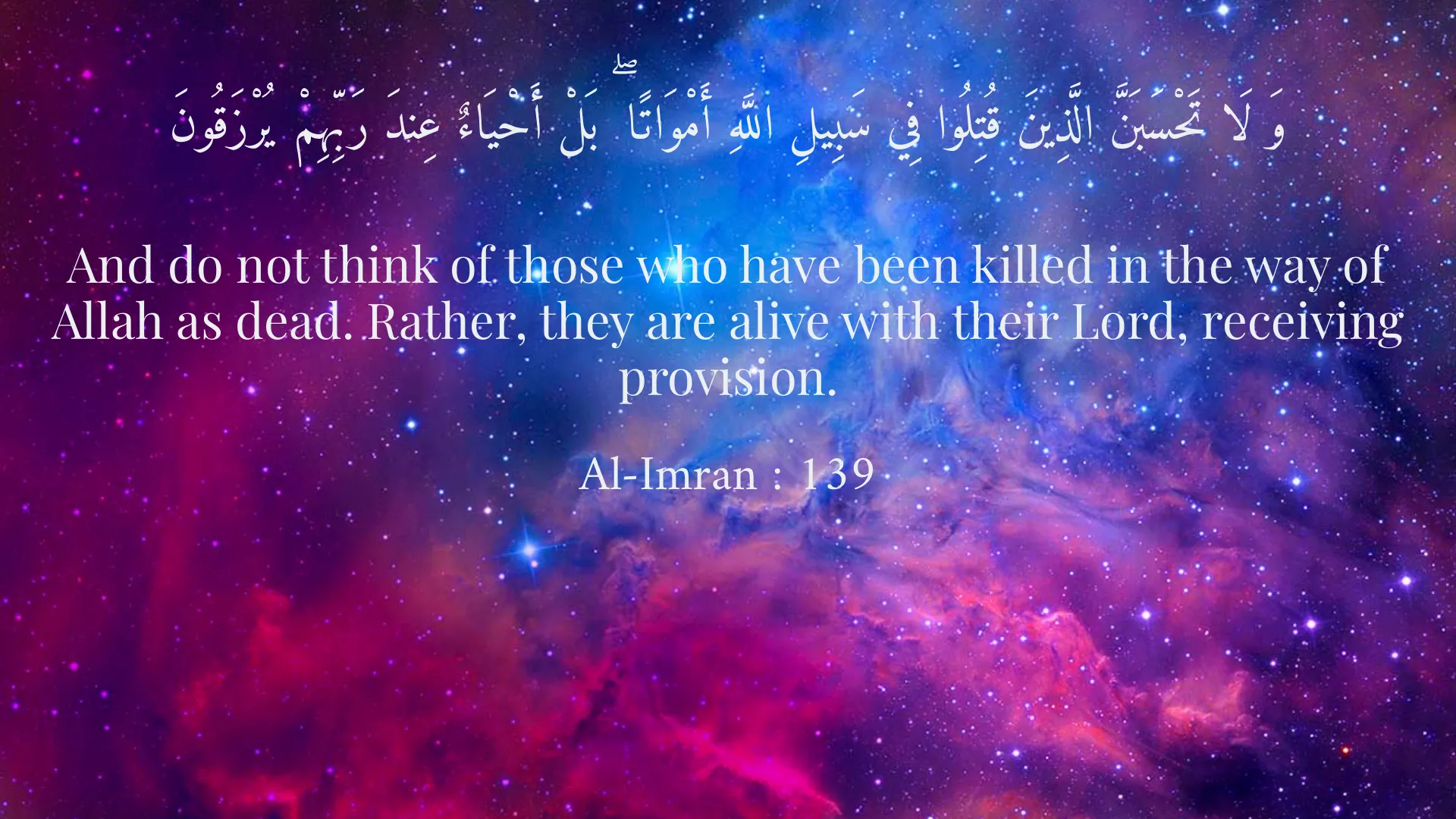
Training the soul is a profound concept deeply embedded in Islamic teachings, and it serves as one of the cornerstones of a fulfilling and spiritually rich life for Muslims. The Quran, the holy book of Islam, repeatedly underscores the imperative nature of purifying and nurturing the soul to align oneself closely with the divine. In this article, we will explore the significance and multifaceted aspects of soul training according to Islamic teachings, highlighting its methods, spiritual implications, and moral importance in everyday life. The concept of the soul, or 'Nafs,' plays a pivotal role in Islamic psychology and philosophy. It signifies the invisible essence of a person, which governs thoughts, feelings, and actions. Allah emphasizes the purification of the soul in various verses throughout the Quran, illustrating that achieving spiritual closeness to Him is closely tied to the soul's condition. In Surah Al-Imran, verse 139, Allah reminds the believers, "And do not think of those who have been killed in the way of Allah as dead. Rather, they are alive with their Lord, receiving provision." This powerful statement reflects the profound value of faith and sacrifice. It serves as a reminder to believers that true life is rooted in firm belief and dedication to Allah, which may sometimes demand one's utmost devotion, even to the point of sacrificing one's life in pursuit of a righteous cause. One of the most effective methods for training the soul is by bolstering faith and maintaining a substantive relationship with Allah. This involves deepening one's understanding of Islamic teachings, engaging in prayer, and actively seeking personal spiritual growth. The connection with the divine is pivotal in helping an individual navigate the spiritual complexities of life. It serves as a moral compass, guiding actions and fostering a sense of purpose. This intrinsic connection nurtures faith, builds resilience in the face of adversity, and cultivates a sense of tranquility in the heart. Furthermore, it is essential to remember that the relationship with Allah is not one-sided; it requires sincerity, devotion, and genuine effort from the believer's side. Fasting is another vital aspect of soul training emphasized in the Quran as a means for self-discipline and self-restraint. In Surah Al-Baqarah, verse 183, it states, "O you who have believed, decreed upon you is fasting as it was decreed upon those before you that you may become righteous." Fasting, especially during the month of Ramadan, is a time-tested practice designed to foster spiritual growth, encourage empathy for those who are less fortunate, and reinforce the need for self-control over worldly desires. When Muslims abstain from food and drink during daylight hours, they experience firsthand the trials of hunger and thirst, which cultivates a deeper appreciation for the bounties provided by Allah. This practice not only fortifies the believer’s willpower in resisting temptation but also enhances consciousness of Allah, known as 'Taqwa,' an essential quality sought after in Islamic spirituality. Furthermore, the Quran places significant emphasis on moral and ethical issues as integral components of soul training. In Surah Al-Hujurat, verse 11, believers are advised, "O you who have believed, let not a people ridicule [another] people; perhaps they may be better than them." This admonition underscores the importance of ethical refinement, good character, and respect for others in society. It illuminates that true faith cannot solely be about personal spirituality but also manifests in how one interacts with and behaves toward others. The ethical teachings within the Quran further reinforce that the journey towards purifying the soul is not only about individual growth but also about nurturing a harmonious community. Acts of kindness, honesty, and integrity in dealings with others are powerful expressions of an individual's internal state. Hence, the essence of soul training involves acknowledging the relationship between personal moral values and the broader societal implications of those values. Moreover, purifying the soul requires a commitment to real self-understanding and moderation of emotions and behaviors. Self-reflection is a critical element of this process. It calls for individuals to regularly assess their actions, intentions, and emotional responses—an endeavor often achieved through honest introspection and a willingness to confront one’s flaws. The teachings of Islam encourage believers to recognize their shortcomings, seek forgiveness, and strive for continual self-improvement, thus fostering a dynamic growth of the soul over time. Additionally, it is important to recognize that training the soul requires consistent effort and practice, including refraining from sinful behaviors. Engaging in deeds that are pleasing to Allah and avoiding those that are forbidden is not merely an external exercise but an internal transformation. This conscious attempt to avoid sins also creates space for virtuous actions to flourish, thereby elevating the soul towards a higher state of purity. The practice of good character, which includes being honest, forgiving, and charitable, are all aspects that significantly contribute to the soul’s development. It is a holistic approach where external actions of kindness and moral integrity harmonize with internal desires to seek Allah's closeness. In this synergy, individuals find themselves not only striving for personal righteousness but also contributing positively to their communities, echoing the broader Islamic ethic. In conclusion, the process of training the soul as illustrated in Islamic teachings is a multifaceted journey that intertwines faith, ethical conduct, and self-discipline. The Quran articulates that the path to soul purification is not a solitary endeavor; rather, it is a collective responsibility that emphasizes the importance of strengthening one’s faith through a continuous engagement with Allah, practicing self-control through the act of fasting, and exercising good character. Each of these components works in tandem to enable the believer to attain spiritual completeness and inner peace which is paramount for a fulfilling life. Thus, training the soul stands as an essential principle in Islam, ultimately leading individuals toward not just Allah's satisfaction but also a profound sense of tranquility and wholeness in their existence.
Related Verses
وَ لَا تَحْسَبَنَّ الَّذِينَ قُتِلُوا فِي سَبِيلِ اللَّهِ أَمْوَاتًا ۖ بَلْ أَحْيَاءٌ عِندَ رَبِّهِمْ يُرْزَقُونَ
And do not think of those who have been killed in the way of Allah as dead. Rather, they are alive with their Lord, receiving provision.
Al-Imran : 139
يَا أَيُّهَا الَّذِينَ آمَنُوا كُتِبَ عَلَيْكُمُ الصِّيَامُ كَمَا كُتِبَ عَلَى الَّذِينَ مِنْ قَبْلِكُمْ لَعَلَّكُمْ تَتَّقُونَ
O you who have believed, decreed upon you is fasting as it was decreed upon those before you that you may become righteous.
Al-Baqarah : 183
يَا أَيُّهَا الَّذِينَ آمَنُوا لَا يَسْخَرْ قَوْمٌ مِّن قَوْمٍ عَسَى أَن يَكُونُوا خَيْرًا مِّنْهُمْ ۖ وَلَا تَلْمِزُوا أَنفُسَكُمْ وَلَا تَنَابَزُوا بِالْأَلْقَابِ ۚ بِئْسَ اسْمُ الْفُسُوقُ بَعْدَ الْإِيمَانِ ۚ وَمَن لَّمْ يَتُبْ فَأُولَــٰئِكَ هُمُ الظَّالِمُونَ
O you who have believed, let not a people ridicule [another] people; perhaps they may be better than them. And do not insult one another and do not call each other by [offensive] nicknames. Wretched is the name of disobedience after [one's] faith. And whoever does not repent - then it is those who are the wrongdoers.
Al-Hujurat : 11
Short Story
One day, Aref, a weary and troubled young man, turned to the mercy of Allah. He believed he needed to change and focus on training his soul. While sitting under a tree, he remembered the verses of the Quran and decided to start fasting to purify himself from sins. At the same time, he made efforts to show kindness and love to those around him. Over time, Aref felt that the light of faith shone brighter in his heart, and he experienced profound peace.