Quranic Answer
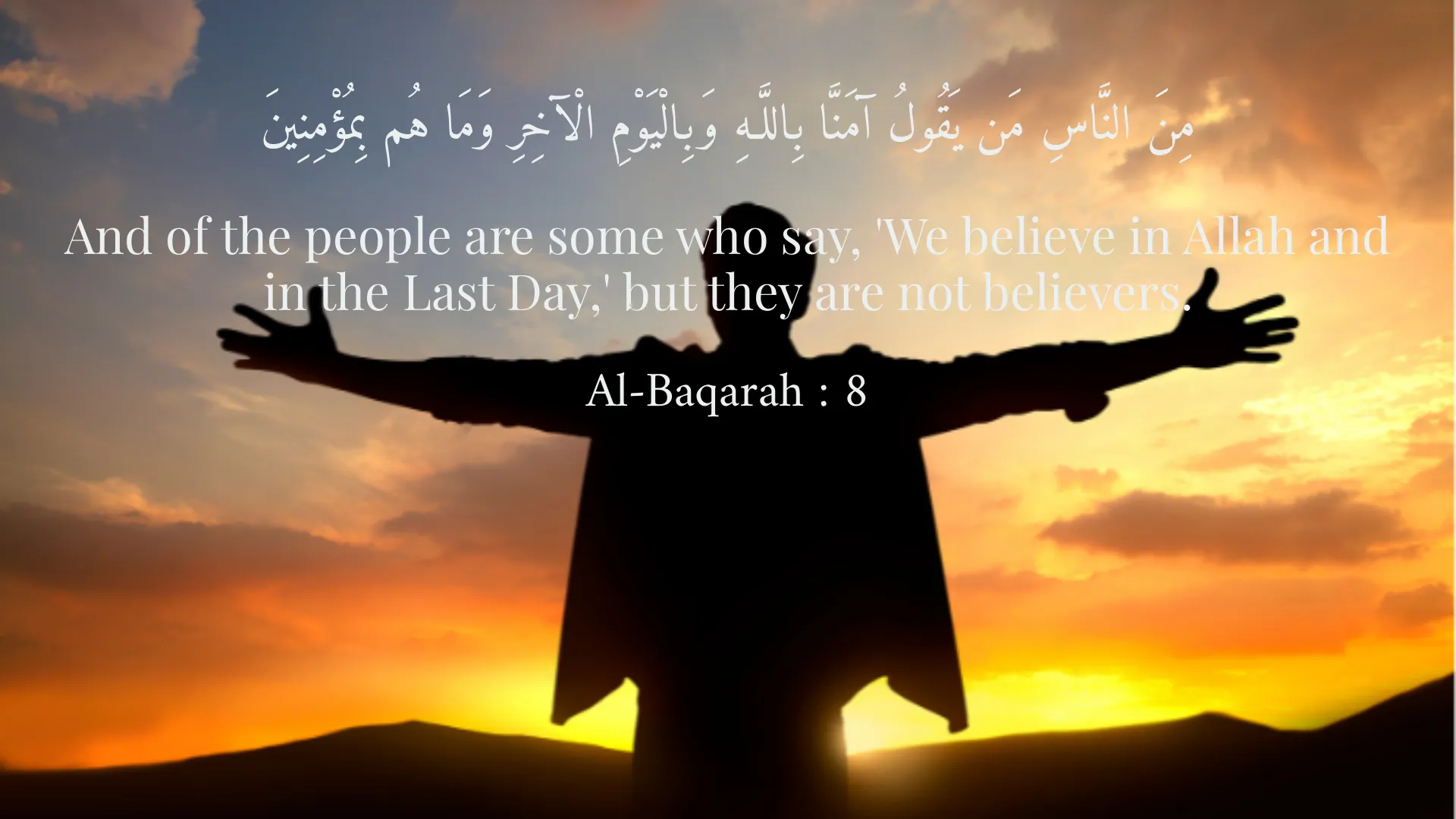
Hypocrisy is a deeply ingrained and troubling aspect of human behavior that has been scrutinized through various cultural and religious lenses. In Islamic teachings, particularly within the Quran, hypocrisy is explicitly condemned and addressed as a serious moral failing. The Quran emphasizes values such as honesty, integrity, and sincerity, positioning them as essential attributes of a true believer. The concept of hypocrisy, defined as the concealment of truth while presenting its opposite, serves as a significant focus in the pursuit of spiritual growth and ethical living. The Quran delineates two primary factors contributing to the development of hypocrisy in an individual’s heart. The first factor revolves around the attachment to worldly desires and temptations. In Surah Al-Baqarah, verse 8, the Quran illuminates the duplicitous nature of hypocrites who outwardly profess faith but internally struggle with disbelief. This dissonance creates a profound gap between what they claim to believe and the reality of their convictions. The hypocrites' insistence on projecting an image of piety while harboring doubts illustrates a fundamental lack of genuine belief in the existence of God and the principles of the hereafter. Thus, their behavior reflects a desire to conform to societal expectations rather than a sincere commitment to their faith. This highlights the dangers of being swayed by transient worldly desires in place of forging a meaningful and authentic religious identity. The second factor fostering hypocrisy is often rooted in social influences and cultural pressures. Societal norms and the behavior of peers can create a powerful impetus for individuals to adopt attitudes and beliefs that are inconsistent with their values. This phenomenon is not unique to any particular culture or time period; rather, it transcends generations and geographies. In Surah Al-Munafiqun, verse 21, God draws attention to the individuals who lead duplicitous lives, engaging in behavior that contradicts their beliefs due to societal influences. Their continued existence in a state of hypocrisy blinds them to the potentially dire consequences that may arise from their duplicity. In a world that emphasizes conformity, individuals might find themselves prioritizing acceptance from others over their own principles and faith. This dilemma reinforces the importance of self-awareness and the need to resist the pressures that encourage one to compromise their beliefs. Moreover, hypocrisy also creates a ripple effect, affecting not just the individual but also their community. When hypocrisy permeates social interactions, it erodes trust and bonding among individuals, leading to societal fragmentation. Trust is a cornerstone of community life, and the presence of hypocrisy undermines it, as individuals become skeptical of one another's intentions. In a religious context, this skepticism can lead to a distance from the community and the faith itself. The repercussions of hypocrisy extend beyond interpersonal relationships; they also impact one’s divine relationship. The Quran stresses that a hypocritical heart is distant from God, creating a barrier to spiritual enlightenment. Individuals ensnared in duplicity may struggle to connect deeply with their faith and ultimately face discontent. Such emotional turmoil often manifests as anxiety, stress, or dissatisfaction, arising from the inner conflict between their external proclamations and internal beliefs. Combatting hypocrisy necessitates a committed and proactive approach characterized by self-reflection, sincere repentance, and a dedication to truthfulness. To overcome the challenges of hypocrisy, individuals must first engage in sincere self-examination, acknowledging any discrepancies between their professed beliefs and their actions. This honest assessment is crucial for identifying moments of duplicity and actively choosing to align one’s life with authentic values. One can draw strength from the Quran’s teachings and examples of integrity and truth from the lives of the Prophets and righteous individuals. Incorporating practices such as regular prayer, seeking knowledge, participating in community service, and surrounding oneself with steadfast individuals can also fortify one’s resistance against hypocritical tendencies. Moreover, fostering a robust relationship with God through sincere worship and remembrance can purify the heart from hypocrisy, leading toward true faith. Ultimately, cultivating genuine faith involves continuous effort and self-improvement, as individuals work toward embodying the principles of their beliefs authentically. Additionally, creating an environment that nurtures honesty and integrity within a community can serve as a powerful deterrent to hypocrisy. Encouraging open dialogues about virtues, shared values, and the importance of authenticity can help individuals feel more supported in being true to themselves. When communities prioritize sincerity and the enhancement of genuine relationships, it becomes easier for individuals to align their external behavior with their inner convictions. In conclusion, hypocrisy as addressed in the Quran requires vigilant awareness, sincerity, and an unwavering commitment to truth. Individuals must navigate the delicate balance between societal expectations and personal beliefs, ensuring that authenticity remains at the forefront of their actions. Strengthening one’s relationship with God and fostering a supportive community dedicated to honesty are effective strategies for combating hypocrisy. By engaging with these principles, individuals can work toward achieving true faith, ultimately fulfilling their spiritual and moral potential.
Related Verses
مِنَ النَّاسِ مَن يَقُولُ آمَنَّا بِاللَّـهِ وَبِالْيَوْمِ الْآخِرِ وَمَا هُم بِمُؤْمِنِينَ
And of the people are some who say, 'We believe in Allah and in the Last Day,' but they are not believers.
Al-Baqarah : 8
إِنَّمَا يُؤْمِنُ بِآيَاتِنَا الَّذِينَ إِذَا ذُكِّرُوا بِهَا خَرُّوا سُجَّدًا وَسَبَّحُوا بِحَمْدِ رَبِّهِمْ وَهُمْ لَا يَسْتَكْبِرُونَ
Only those believe in Our verses who, when they are mentioned, fall down in prostration and exalt [Allah] with praise of their Lord, and they are not arrogant.
Al-Munafiqun : 21
Short Story
One day, two old friends were sitting in a café discussing their lives. One of them, named Amir, felt a sense of duality in his life. He always tried to seem like everyone else, but inside he felt unsatisfied. His friend said, 'Amir, why don’t you show your true self? Hypocrisy is merely the pain of turning into a lie.' This statement resonated with Amir, and he decided to be honest with himself. From that day on, his life changed, and he was able to live more peacefully.