Quranic Answer
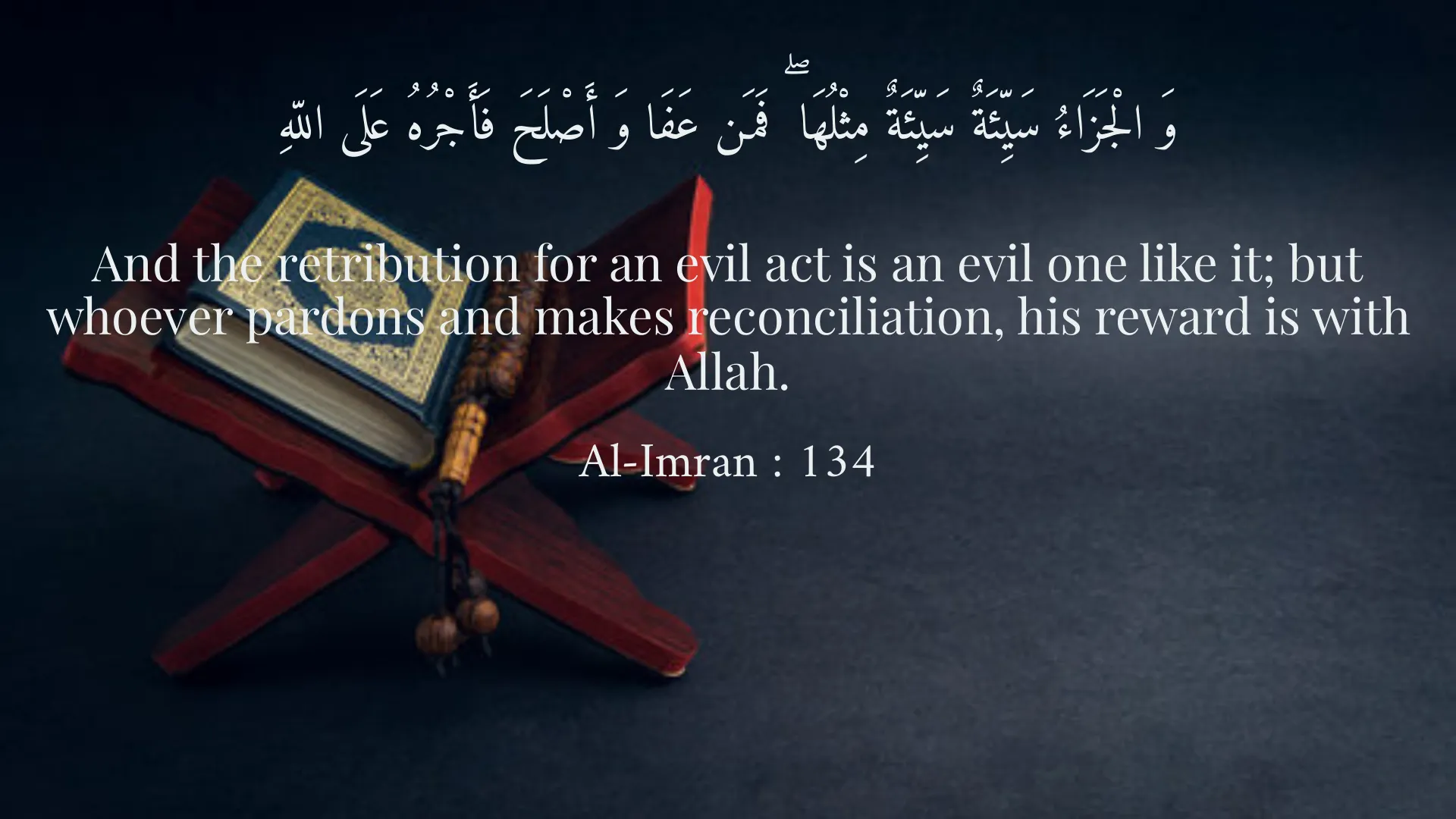
The Holy Quran, a central religious text of Islam, extensively addresses the issue of forgiveness and forbearance, emphasizing its significance in the lives of individuals and communities. It serves as a guide for not only spiritual growth but also for ethical behavior and social harmony. This article delves into the themes of forgiveness in the Quran, highlighting verses that underscore its importance, the moral implications of pardoning others, and the spiritual rewards associated with this noble act. Forgiveness is a universal concept that transcends cultural and religious boundaries. However, the Quran places a particular emphasis on it as a vital aspect of the Islamic faith. One of the most profound verses addressing this theme can be found in verse 134 of Surah Al-Imran, where Allah states: 'And the retribution for an evil act is an evil one like it; but whoever pardons and makes reconciliation, his reward is with Allah.' This verse underscores the idea that while retribution may be a natural response to wrongdoing, true strength lies in the ability to forgive and seek reconciliation. The act of forgiving is portrayed as a pathway to achieving a closer relationship with God. It denotes a level of spiritual maturity and emphasizes the importance of holding oneself to a higher ethical standard. The Quran does not merely urge forgiveness; it highlights the immense rewards that await those who choose to forgive. By promoting peace and reconciliation, individuals are not only empowered in their moral actions but are also promised divine rewards from Allah. Another significant verse that brings to light the challenge of forgiveness amid adversity is found in Surah An-Naml, verse 7: 'And indeed, those who disbelieved would almost drive you out of the land when they hear the message; and they say, 'Indeed, he is mad.' This verse serves as a reminder that believers may face animosity, rejection, and even hostility. Yet, in times of such adversity, the Quran advises patience and forgiveness. In the face of hatred and aggression, maintaining a spirit of forgiveness not only elevates one's character but also embodies the teachings of compassion. Furthermore, in Surah An-Nur, verse 22, Allah commands: 'And let them pardon and overlook. Would you not like that Allah should forgive you? And Allah is Forgiving and Merciful.' This verse emphasizes the reciprocity of forgiveness; it urges individuals to overlook the faults of others, reminding them that they too seek forgiveness from Allah. The implication here is profound: as human beings, we are fallible; thus, extending forgiveness not only brings peace to our hearts but elevates our standing before God. It encapsulates the essence of human interaction and lays the foundation for communal harmony. The Quran’s frequent reference to forgiveness serves several purposes. Firstly, it encourages believers to cultivate inner peace and emotional intelligence. Holding onto grudges can lead to a cycle of negativity, which ultimately harms the individual harboring such feelings. Encouraging forgiveness fosters an environment of understanding and compassion, creating a more balanced and cooperative society. Secondly, forgiveness is framed within the broader context of community welfare. When individuals forgive one another, they reduce conflict and promote social cohesion. This is especially critical in times of increased tension, whether it be due to societal discord or personal disputes. The teachings of the Quran advocate for a society where misunderstandings are resolved through dialogue, understanding, and most importantly, forgiveness. Moreover, the concept of forgiveness is intricately linked with the notion of mercy in Islam. Allah is often described as Merciful and Compassionate, and believers are encouraged to embody these attributes in their interactions. The act of forgiving not only reflects Allah's mercy but also acts as a mirror of His attributes—by forgiving others, believers are acting in accordance with divine nature and thus drawing closer to their Creator. An essential aspect of forgiveness highlighted in the Quran is its role in healing relationships. Whether in familial bonds, friendships, or community ties, the willingness to forgive can mend rifts and restore broken connections. It is a testament to the strength of love and unity, showcasing that even the most profound differences can be reconciled through understanding and forgiveness. Yet, it is crucial to acknowledge that forgiving does not equate to forgetting or excusing the wrongdoer's behavior. Instead, forgiveness involves recognizing the pain caused while choosing to relinquish the desire for retribution or resentment. This nuanced understanding fosters a healthier approach to handling personal grievances and leads to deeper emotional well-being. At times, individuals may grapple with the difficulty of forgiving some transgressions, especially those involving significant emotional or physical harm. In such instances, the Quran still advocates for the pursuit of forgiveness but allows for the human struggles that accompany it. The journey toward forgiveness can be gradual, requiring empathy and introspection. Understanding the context and motivations behind others’ actions, as well as contemplating one’s own experiences of seeking forgiveness from Allah, can illuminate this path. In conclusion, the Holy Quran articulates forgiveness as not merely a noble virtue but as a fundamental principle that affects every aspect of human interaction. It presents forgiveness as a means of attaining spiritual elevation, fostering societal harmony, and healing wounded relationships. By following these teachings, believers can contribute to creating a world imbued with compassion, understanding, and peace. The essence of forgiveness, as portrayed in the Quran, ultimately serves as an invitation for believers to strive for a more merciful and forgiving disposition in their lives. Embracing forgiveness is not only a reward in the eyes of Allah, but it is also a powerful catalyst for personal and communal transformation.
Related Verses
وَ الْجَزَاءُ سَيِّئَةٌ سَيِّئَةٌ مِثْلُهَا ۖ فَمَن عَفَا وَ أَصْلَحَ فَأَجْرُهُ عَلَى اللّهِ
And the retribution for an evil act is an evil one like it; but whoever pardons and makes reconciliation, his reward is with Allah.
Al-Imran : 134
وَ إِن يَكَادُ الَّذِينَ كَفَرُوا لَيُزْلِقُونَكَ بِأَبْصَارِهِمْ لَمَّا سَمِعُوا الذِّكْرَ وَ يَقُولُونَ إِنَّهُ لَمَجْنُونٌ
And indeed, those who disbelieved would almost drive you out of the land when they hear the message; and they say, 'Indeed, he is mad.'
An-Naml : 7
وَلْيَعْفُ وَلْيَصْفَحُوا ۖ أَلَا تُحِبُّونَ أَن يَغْفِرَ اللَّهُ لَكُمْ ۗ وَاللّهُ غَفُورٌ رَّحِيمٌ
And let them pardon and overlook. Would you not like that Allah should forgive you? And Allah is Forgiving and Merciful.
An-Nur : 22
Short Story
One day, a man named Hasan had a falling out with an old friend. He harbored a great grudge against him in his heart. However, one day he recalled the verses of the Quran and decided he could forgive. Hasan said aloud, 'I forgive you!' and their friendship was restored, bringing life back to normal. Hasan felt a profound sense of satisfaction and peace.