Quranic Answer
The relationship between spirituality and mental health has been a topic of significant interest and research, particularly in the context of various religious texts. Among these, the Holy Quran emerges as a profound source of guidance that influences the mental well-being of its followers both directly and indirectly. By emphasizing values such as patience, gratitude, remembrance of Allah, and prayer, the Quran provides a framework for achieving and maintaining mental health. This article delves into the various components of how the Holy Quran contributes to mental health, exploring the teachings of specific verses and their implications for a balanced and contented life. The Psychological Significance of Patience and Gratitude One of the key teachings of the Quran is the importance of patience (Sabr) and gratitude (Shukr) during trials and tribulations. In Surah Al-Baqarah, verse 153, Allah instructs the believers: "O you who have believed, seek help through patience and prayer." This verse indicates that faith in Allah and the practice of patience are intertwined with seeking assistance in times of distress. In the context of mental health, cultivating patience allows individuals to endure hardships with resilience, thereby reducing feelings of anxiety and despair. Instead of succumbing to negative emotions, individuals are encouraged to approach their challenges with a positive mindset, seeking solace in their connection to Allah. Gratitude, another essential aspect of the Quranic message, is highlighted throughout the text. Research in psychology has demonstrated that practicing gratitude can lead to numerous mental health benefits, including improved mood, increased feelings of well-being, and decreased rates of depression. By recognizing and appreciating the blessings in their lives, individuals can foster a positive outlook that enhances their overall mental health. The Quran encourages this practice, providing a spiritual basis for cultivating gratitude as an antidote to negativity and discontent. Managing Negative Thoughts and External Opinions In addition to patience and gratitude, the Quran advises believers on how to handle external negativity and criticism. Surah Al-An'am, verse 34 states: "So do not grieve over what they say." This passage encourages individuals to focus less on the opinions and remarks of others, which can often lead to feelings of inadequacy, stress, and anxiety. In a world dominated by social media and constant comparisons, such advice is particularly relevant. The Quran teaches humility, suggesting that individuals should not allow the judgment of others to disturb their peace of mind. Instead, they should maintain a strong sense of self-worth based on their relationship with Allah rather than fluctuating social perceptions. This teaching contributes to mental well-being by promoting self-acceptance and reducing the burden of external validation. When individuals learn to detach themselves from the judgement of others, they are more likely to experience emotional stability and heightened self-esteem, both essential for mental health. The Healing Power of Remembrance A significant aspect of the Quranic contribution to mental health lies in the concept of remembrance (Dhikr) of Allah. Surah Ar-Ra'd, verse 28 asserts: "Verily, in the remembrance of Allah do hearts find rest." This verse encapsulates the essence of how remembrance serves as a source of peace and tranquility for the human spirit. Engaging in Dhikr can act as a form of meditation, allowing individuals to clear their minds of distractions and focus on their relationship with the Divine. Mental health professionals often advocate for mindfulness practices that encourage individuals to reconnect with their inner selves and find peace amid life's chaos. The practice of remembrance aligns with these principles; it enables believers to center their thoughts on Allah, fostering inner calm and reducing stress. When individuals engage in regular prayer and remembrance, they can experience a profound sense of relief from the burdens of daily life, leading to improved mental clarity and emotional stability. The Role of Prayer in Mental Well-Being Prayer, or Salah, is one of the fundamental pillars of Islam and plays a pivotal role in the mental health of believers. Surah Al-Baqarah, verse 153's instruction to seek help through prayer highlights its significance as a tool for coping with difficulties. Engaging in prayer not only connects individuals to Allah but also provides an opportunity for self-reflection and emotional release. Research has suggested that prayer can have a calming effect on the mind and body; reducing stress, anxiety, and depression while fostering a sense of community and support among believers. The ritual aspect of prayer establishes a routine that can be comforting, creating a structured time for reflection and spiritual connection. Through prayer, individuals find solace and reassurance, reinforcing their faith in Allah’s wisdom and support during tough times. Spirituality as a Contributor to Overall Well-Being The Quran’s teachings about mental health serve as a reminder of the integral role spirituality plays in overall well-being. Spirituality is often associated with feelings of peace, purpose, and connection, factors that are crucial to mental health. The Quran’s emphasis on the importance of patience, gratitude, the remembrance of Allah, and prayer cultivates an environment where individuals can develop a holistic approach to their mental wellness. In a fast-paced modern world where people often experience overwhelming stress and disconnection, the Quran’s message brings individuals back to the simplicity and profundity of spiritual practice. By internalizing these teachings and principles, believers can navigate the trials of life with grace and resilience, fostering a stronger mental and emotional foundation. Conclusion In summary, the Holy Quran significantly contributes to mental health through its teachings on patience, gratitude, pain management, remembrance, and prayer. These principles guide believers in overcoming adversity and prioritizing their spiritual and mental tranquility. As individuals find strength in their faith and connection to Allah, they experience improved emotional well-being and a profound sense of peace. The Quran serves as a timeless source of guidance, reminding humanity of the importance of nurturing one's mind and spirit and fostering a healthier, more fulfilling life.
Related Verses
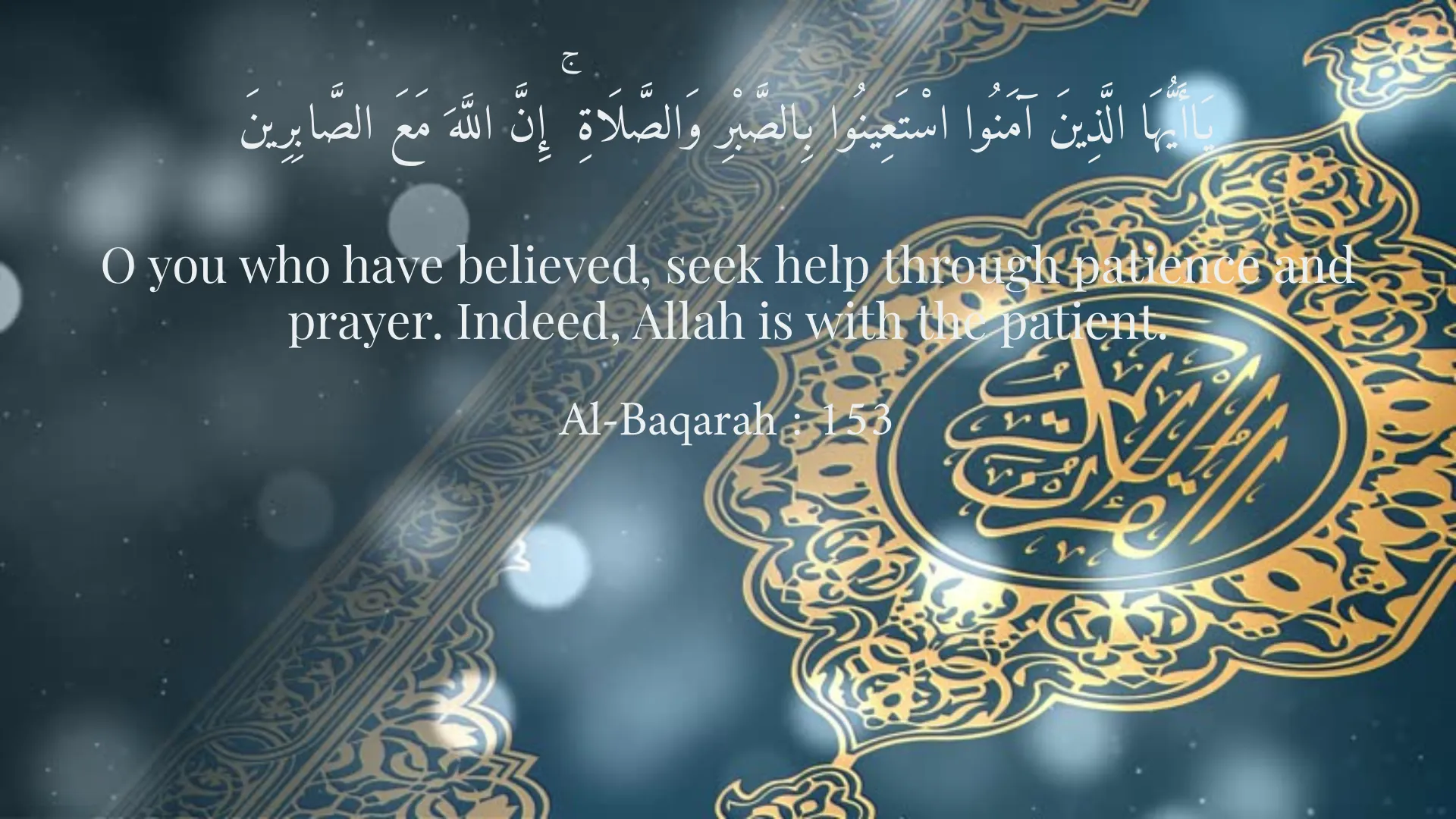
يَاأَيُّهَا الَّذِينَ آمَنُوا اسْتَعِينُوا بِالصَّبْرِ وَالصَّلَاةِ ۚ إِنَّ اللَّهَ مَعَ الصَّابِرِينَ
O you who have believed, seek help through patience and prayer. Indeed, Allah is with the patient.
Al-Baqarah : 153
فَلَا تَحْزَنْ عَلَىٰ مَا يَقُولُونَ ۖ إِنَّ الْعِزَّةَ لِلَّهِ جَمِيعًا
So do not grieve over what they say. Indeed, honor belongs to Allah altogether.
Al-An'am : 34
أَلَا بِذِكْرِ اللَّهِ تَطْمَئِنُّ الْقُلُوبُ
Verily, in the remembrance of Allah do hearts find rest.
Ar-Ra'd : 28
Short Story
One day, a young man named Amir felt a lot of confusion and stress in his life. After some time, he decided to read the Quran and reflect on its verses. He came across a verse that asked him, "Do hearts not find peace in the remembrance of Allah?" This verse had a positive impact on him, and he realized that he needed to keep Allah in mind and overcome life's challenges with patience and prayer. Gradually, he felt better and found tranquility in his heart.