Quranic Answer
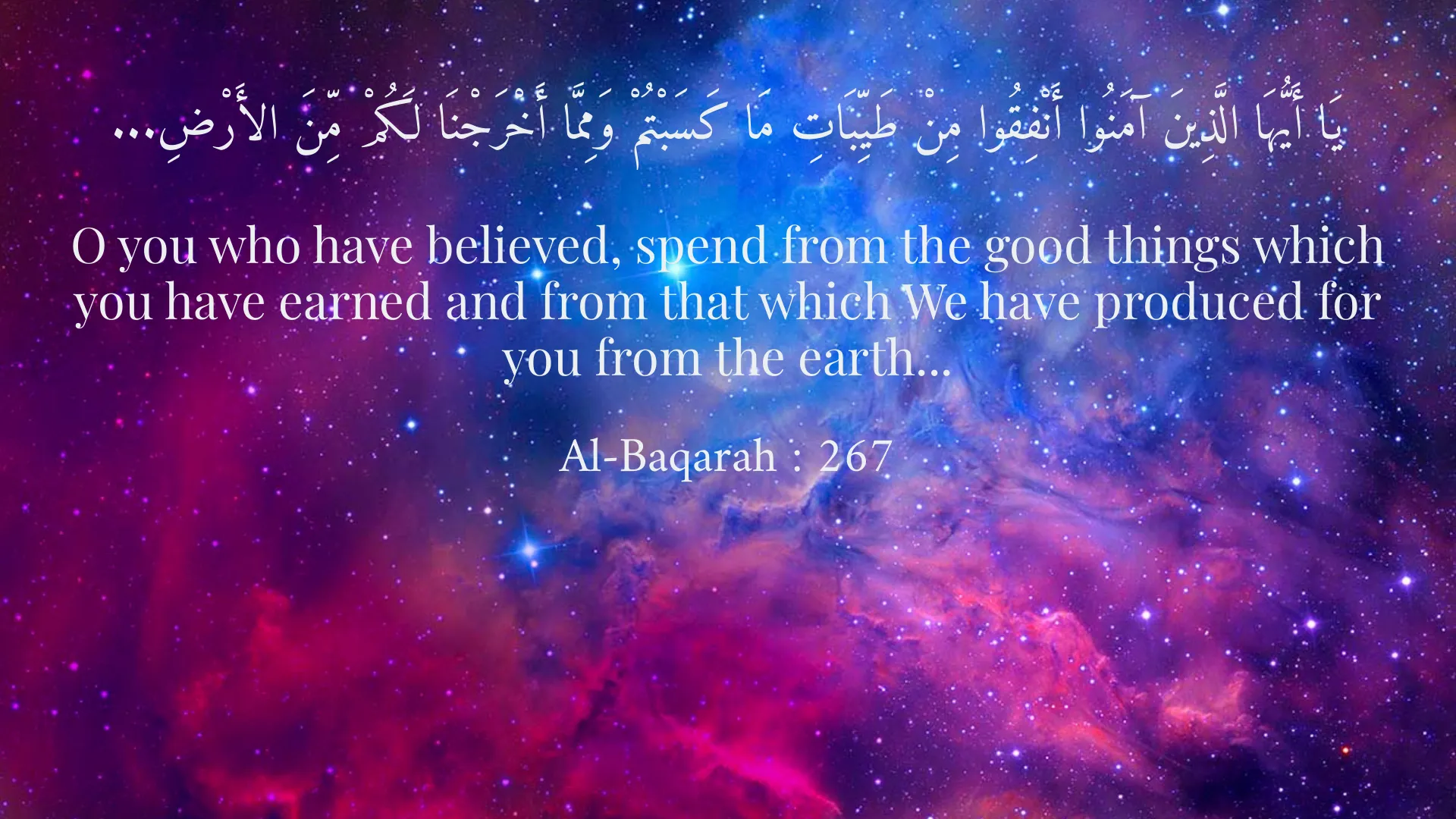
The Holy Quran is an extraordinary text that prescribes a moral framework for the conduct of human life. One of the central themes addressed in the Quran is the relationship between poverty and wealth. Through its balanced and comprehensive perspective, the Quran gives profound insights not only into the nature of wealth but also the obligations of individuals towards those who are less fortunate. At the outset, the Quran emphasizes that wealth is not merely a material possession; it is fundamentally viewed as a blessing from God. Surah Al-Baqarah, verse 267, asserts, "O you who have believed, spend from the good things which you have earned and from that which We have produced for you from the earth..." This guidance explicitly illustrates that financial resources and goods must be utilized for virtuous deeds. According to Islamic teachings, wealth comes with immense responsibility. It should be employed to benefit society through acts of charity, community support, and other philanthropic endeavors. This directive encourages believers to engage in acts of giving, indicating that wealth is significant when it's used for the betterment of humanity. Society's wealthy or those fortunate enough to enjoy the goodness of life should consider themselves custodians of their wealth rather than its owners. The Quran further asserts that retaining wealth without sharing with the less fortunate leads to moral and social decay—an idea vividly reflected in the teachings of the Prophet Muhammad, who emphasized the importance of charitable giving. On the other side of the conversation, the Quran does not shy away from recognizing the existence of poverty and the systemic challenges it presents. In Surah Al-Ma'idah, verse 55, it is revealed: "Allah only wants you to worship Him and give zakat (charity) in His way, and to help one another in times of hardship." This verse underscores the imperative for the faithful to fend for the needy and act against poverty. Through this lens, poverty is perceived as not just an individual misfortune but also a collective societal challenge that necessitates a commitment from the community as a whole. The conceptualization of poverty within the Quran places a moral obligation on believers to alleviate the suffering of the disadvantaged. It emphasizes that sharing wealth and resources is not simply a charitable option but rather a fundamental ethical duty. It encourages individuals to look beyond their own self-interest and recognize the responsibility placed upon them to support those who struggle to make ends meet. This sense of duty encompasses various forms of support, extending beyond mere financial assistance to include emotional support, social mobilization, and advocacy for systemic changes that would uplift the marginalized sectors of society. Additionally, the Quran advocates for self-sufficiency, emphasizing the value of earning a lawful and legal income. The notion of self-sufficiency resonates with the idea that every individual should strive to earn their livelihood in an ethical manner. This principle is rooted in the belief that not only is hard work dignified, but it also fosters a sense of personal agency and accountability. By encouraging Muslims to seek lawful means for their sustenance, the Quran promotes a culture of integrity and diligence, urging one to cultivate skills and invest efforts in productive pursuits that contribute toward economic growth. Moreover, the balance of wealth and poverty, as articulated throughout the Quran, underlines an essential facet of Islamic economic theory known as social justice. The Quran promotes fairness and equity within financial transactions and the distribution of resources. It implores the wealthy to acknowledge their social responsibility and act accordingly in balancing the scales of wealth in society. The principles of Zakat, a form of almsgiving and one of the Five Pillars of Islam, serve as a practical implementation of this call for social justice. By mandating believers to donate a portion of their wealth to those in need, the Quran directly addresses the inequalities present in wealth distribution. This financial obligation not only aids in providing for the immediate needs of the poor but also helps to circulate wealth within the community, promote economic stability, and foster social harmony. In summary, the Quran presents a holistic view of poverty and wealth that encapsulates both spiritual and social dimensions. It urges believers to recognize wealth as a blessing meant for communal betterment rather than individual greed. At the same time, it accentuates the seriousness of poverty as a social ill that requires concerted efforts from all members of society to combat. The Quran’s teachings invite Muslims to engage in philanthropic acts, maintain righteousness in earning, and advocate for policies that promote social equity as essential pathways towards establishing a just society. Thus, the Quran serves as a timeless guide, urging humanity toward a compassionate and just coexistence that values both the wealthy and the poor, requiring action towards establishing a society driven by equity, compassion, and mutual support.
Related Verses
يَا أَيُّهَا الَّذِينَ آمَنُوا أَنْفِقُوا مِنْ طَيِّبَاتِ مَا كَسَبْتُمْ وَمِمَّا أَخْرَجْنَا لَكُمْ مِّنَ الأَرْضِ...
O you who have believed, spend from the good things which you have earned and from that which We have produced for you from the earth...
Al-Baqarah : 267
إِنَّمَا يُرِيدُ اللَّهُ أَنْ يُرِيدُ اللَّهُ الْإِيمَانَ وَيُعَافِيَكُمْ.
Allah only wants you to worship Him and give zakat (charity) in His way, and to help one another in times of hardship.
Al-Ma'idah : 55
Short Story
One day, there was a man named Ahmad who struggled with poverty. He always wished to have enough wealth to help others. Remembering the Quran, he decided to help the poor out of his humanity. One day, in a poverty-stricken neighborhood, he met a man who could not work due to illness. Ahmad decided to donate part of his daily earnings to him. This act not only helped that man but also filled Ahmad's life with blessings and happiness.