Quranic Answer
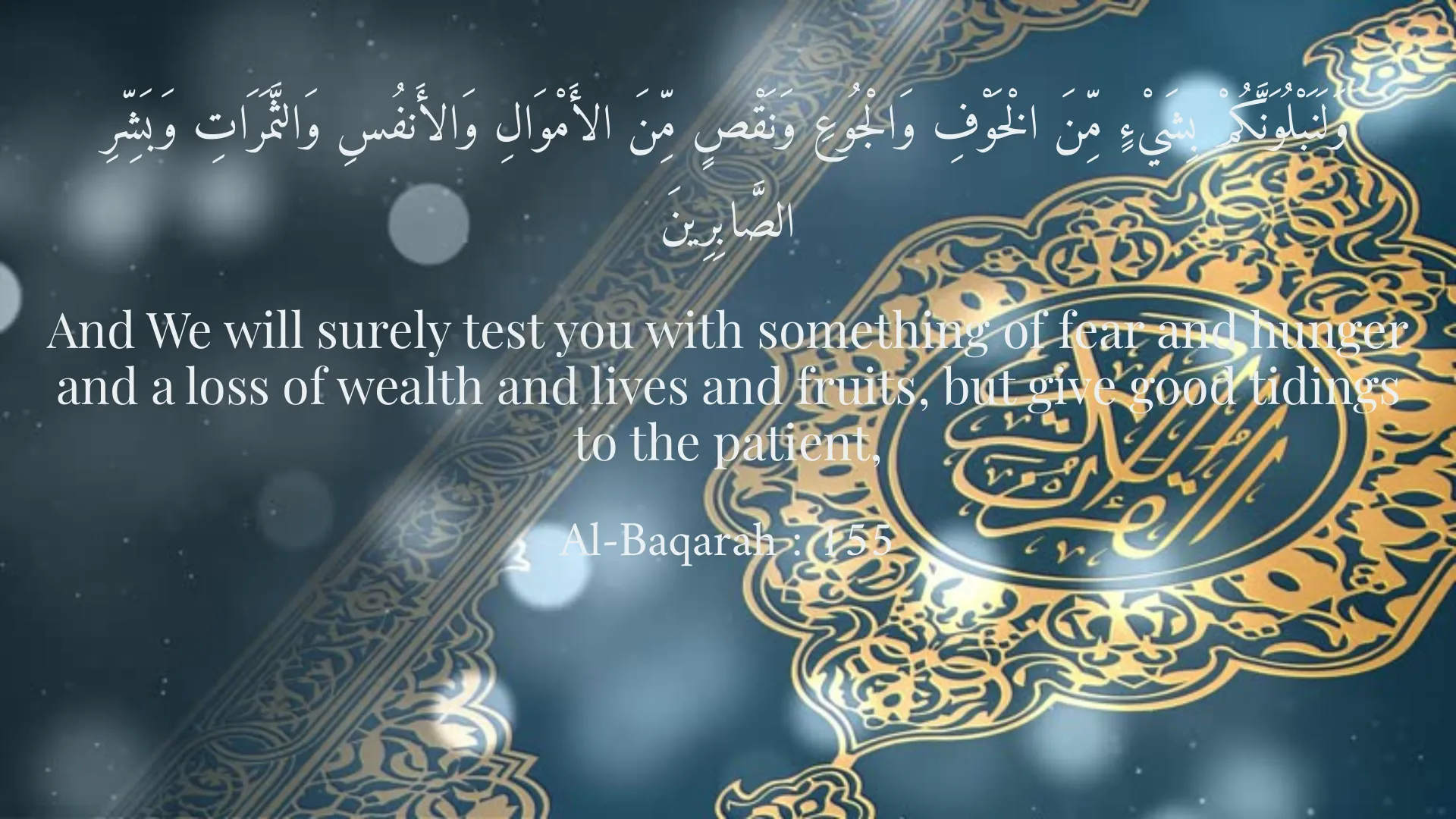
Pain, suffering, and calamity are inescapable realities of human existence, enduring companions throughout history. From the perspective of the Holy Quran, these unpleasant experiences are not merely afflictions or punishments, but powerful tools for human growth and elevation. The Quran, with its profound and wise outlook, introduces pain not simply as a negative experience, but as a catalyst for inner transformation, strengthening of faith, purification of the soul, and elevation of spiritual ranks. This perspective ensures that a believer does not despair in the face of hardships, but rather, through patience and reliance on God, builds a bridge from them to reach perfection. 1. Divine Testing and Sifting (Ibtila'): The Quran repeatedly emphasizes that worldly life is full of trials and tests (ibtila). Pain and suffering are an integral part of these divine tests, whose purpose is to sift humanity and reveal the truth of their faith. Allah says: "And We will surely test you with something of fear and hunger and a loss of wealth and lives and fruits, but give good tidings to the patient." (Al-Baqarah, 155). This verse clearly shows that various calamities (fear, hunger, loss of wealth, lives, and fruits) are part of Allah's plan to test His servants. The purpose of these tests is to gauge the extent of one's patience, reliance on God (tawakkul), and steadfastness in the path of truth. Pains and difficulties challenge individuals, compelling them to choose between superficial faith and true belief. Only those who are refined in these furnaces of suffering will have the truth of their faith revealed and the essence of their being polished. These trials not only strengthen faith but also build character and make one more resilient against future adversities. They serve as a means to differentiate between genuine devotion and superficial adherence, refining the believer's spirit and drawing them closer to their Creator. 2. Patience and Steadfastness, the Key to Opening: The human response to pain and suffering plays a pivotal role in transforming it into a tool for growth. The Quran frequently emphasizes the concept of sabr (patience). Patience in the Quran does not mean passivity or mere submission, but rather steadfastness, perseverance, and maintaining inner peace in the face of difficulties. In Surah Al-Baqarah (153), Allah says: "O you who have believed, seek help through patience and prayer. Indeed, Allah is with the patient." This verse indicates that patience and prayer are the primary means of seeking help from Allah when facing challenges. Patience is a key that unlocks the doors of divine mercy and increases one's capacity to endure and adapt to difficult circumstances. Each time a believer navigates a difficult phase with patience and perseverance, they not only earn spiritual rewards but also enhance their inner strength and spiritual self-confidence. Patience provides an opportunity for individuals to approach problems with contemplation and planning, rather than hasty and emotional reactions, thereby finding a way out of suffering towards ease. It fosters resilience, enabling the believer to see the bigger picture and trust in Allah's plan, transforming pain into an act of worship and a path to deeper spiritual insight. 3. Expiation of Sins and Purification of the Soul: Another growth-inducing aspect of pain in the Quran is its role in the expiation of sins and the purification of the soul. Islamic traditions corroborate this Quranic view that calamities and illnesses can serve as means for the forgiveness of sins. This perspective transforms one's view of pain from a mere calamity to a divine mercy. When a believer regards suffering with the understanding that every pain endured might cleanse them of a sin, it becomes easier to bear, and it can even be seen as a hidden blessing. This purification process cleanses the soul from impurities and prepares the individual to reach higher spiritual ranks. In essence, pain is like fire that purifies impure metal, freeing the human being from material and spiritual contaminations. It is a divine cleansing process, allowing the soul to shed its burdens and become lighter, more attuned to divine grace, and ready for a more profound spiritual journey towards Allah. 4. Elevation of Ranks and Spiritual Status: Pain and suffering, when accompanied by patience and reliance on God (tawakkul), can lead to the elevation of a person's spiritual ranks and status in the sight of Allah. The Quran mentions that Allah never wastes the reward of those who do good and fully compensates the patient. The greater the severity of the trial and the stronger the faith with which one overcomes it, the higher their reward and status will be. This elevation of ranks is realized not only in the Hereafter but can also manifest in this world as inner peace, increased wisdom, and social respect. An individual who emerges triumphant from tribulations often possesses deeper insight and a broader understanding of existence, which is itself a form of spiritual and intellectual growth. This perspective imbues suffering with a profound meaning, transforming it from a stumbling block into a ladder ascending towards higher spiritual stations and divine closeness. 5. Awakening, Self-Discovery, and Deepening Connection with God: Pain often serves as an awakening, stirring individuals from heedlessness and worldly attachments. When faced with difficulties and cut off from worldly supports, humans are compelled to turn to their only true support: Allah. These moments of intense supplication and need deepen one's connection with their Creator. Pain helps individuals to know themselves better; to understand their weaknesses and strengths, and to realize the ephemeral nature of worldly pleasures. This self-discovery is the foundation of spiritual growth. Moreover, in moments of pain, one connects more deeply with their inherent divine nature and remembers the profound truth: "Indeed we belong to Allah, and indeed to Him we will return." (Al-Baqarah, 156). This awareness transforms one's perspective on life and death, granting a deeper understanding of one's true place in the universe. It strips away the superficial layers, revealing the core of one's being and fostering a profound reliance on and intimacy with the Divine. 6. Understanding Divine Wisdom and Divine Promise: The Quran teaches believers that behind every hardship lies a wisdom that may not be immediately apparent. This perspective prevents humans from complaining and despairing, empowering them to endure pain with hope for the future. The famous verse: "For indeed, with hardship [will come] ease. Indeed, with hardship [will come] ease." (Al-Inshirah, 5 and 6) is a clear promise from Allah that ease will follow every difficulty. This promise is a light in the darkness of suffering, assuring humans that pain is not permanent and will always be accompanied by relief and comfort. This understanding of divine wisdom and promise transforms pain into a stepping stone to a better and more beautiful phase of life. Thus, pain is transmuted from a negative experience into a golden opportunity for transformation and progress, imbuing human existence with a deeper meaning and purpose, ultimately leading to spiritual enlightenment and eternal reward.
Related Verses
وَلَنَبْلُوَنَّكُمْ بِشَيْءٍ مِّنَ الْخَوْفِ وَالْجُوعِ وَنَقْصٍ مِّنَ الأَمْوَالِ وَالأَنفُسِ وَالثَّمَرَاتِ وَبَشِّرِ الصَّابِرِينَ
And We will surely test you with something of fear and hunger and a loss of wealth and lives and fruits, but give good tidings to the patient,
Al-Baqarah : 155
أَحَسِبَ النَّاسُ أَن يُتْرَكُوا أَن يَقُولُوا آمَنَّا وَهُمْ لَا يُفْتَنُونَ
Do people think that they will be left alone because they say, 'We believe,' and will not be tested?
Al-Ankabut : 2
فَإِنَّ مَعَ الْعُسْرِ يُسْرًا
For indeed, with hardship [will come] ease.
Al-Inshirah : 5
إِنَّ مَعَ الْعُسْرِ يُسْرًا
Indeed, with hardship [will come] ease.
Al-Inshirah : 6
Short Story
It is narrated in Saadi's Golestan that a poor and distressed dervish was complaining about the hardships of his life and his poverty. One day, as he was walking, he saw a man whose legs had been amputated, struggling to walk on two wooden stumps. As soon as the dervish saw this sight, he immediately prostrated himself, saying: 'O Lord! I am ashamed of my complaining, for I have legs, and yet I was lamenting my lack of possessions!' This tale is a sweet lesson on how witnessing the suffering of others, or experiencing personal hardships, can lead to awakening and gratitude. Just as fire refines steel, pain, when viewed with the right perspective, can mature the soul and awaken the heart, guiding a person towards growth and wisdom.