Quranic Answer
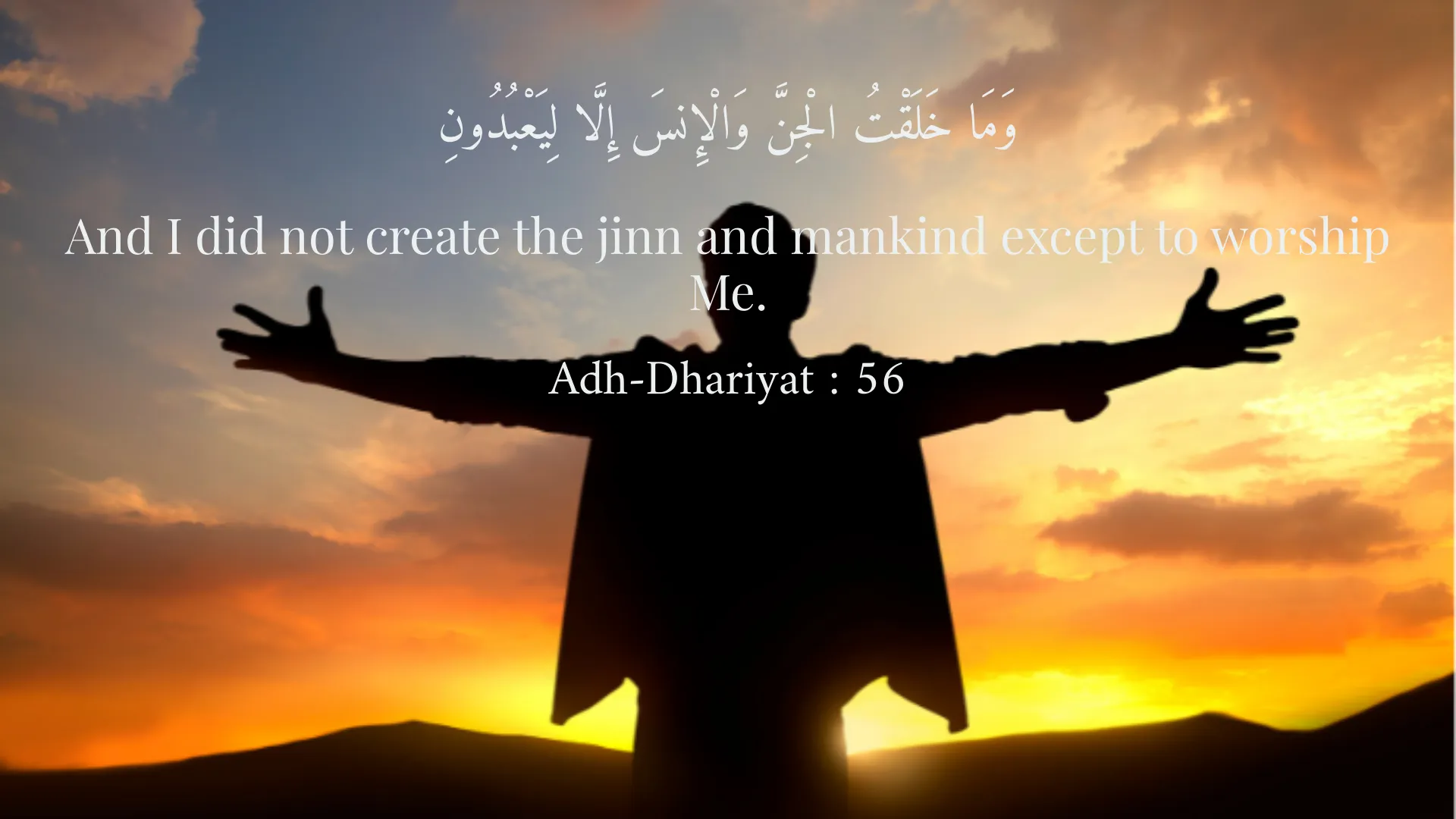
In today's world, many individuals grapple with what is often termed the 'crisis of meaning.' This crisis is not confined to any specific group or stratum of society; it can afflict anyone, regardless of social standing, wealth, or knowledge. Feelings of emptiness, aimlessness, and a lack of understanding of one's place in existence are prominent symptoms of this crisis. In confronting this profound existential challenge, the Holy Quran, as the divine word and a guiding light for humanity, offers a comprehensive, fundamental, and root-level response. This response not only resolves the crisis but also opens new horizons of purpose, tranquility, and felicity for humankind. The Quran's answer to the crisis of meaning is not a temporary remedy or a palliative solution; rather, it is a foundational transformation in worldview and lifestyle. Perhaps the most crucial response the Quran offers to the crisis of meaning is the clear articulation of the 'purpose of creation.' The Quran explicitly states that humans were not created in vain or without purpose; rather, their creation serves a sublime end. Surah Adh-Dhariyat, verse 56, declares: "And I did not create the jinn and mankind except to worship Me." At first glance, this verse might seem to imply merely performing ritualistic acts of worship, but in reality, the concept of 'worship' (ibadah) in the Quran is far broader. Worship encompasses knowing and recognizing the Lord, submitting to divine commands and prohibitions, and dedicating one's entire life to seeking God's pleasure. When an individual understands that the purpose of their creation is servitude to a Lord who is all-good, all-wise, and all-perfect, their life transforms from a seemingly aimless sequence of events into a purposeful and meaningful journey. Every moment, every decision, and every action acquires a divine hue, aligning with the ultimate goal of attaining divine proximity. This understanding imbues human life with true direction and meaning, rescuing it from confusion and emptiness. It establishes a profound sense of intrinsic value, ensuring that one's efforts and existence contribute to a grander, divinely ordained scheme, thereby eradicating the sense of futility that often characterizes a crisis of meaning. Secondly, the Quran addresses the 'relationship with God.' In the modern world, human connections have become complex and often superficial, leaving individuals feeling isolated. The Quran presents the way out of this loneliness and the path to finding a firm support in establishing a deep and continuous connection with the Creator of the universe. The remembrance of God (dhikr Allah) is identified as the primary source of inner peace and tranquility. Surah Ar-Ra'd, verse 28, states: "Those who have believed and whose hearts are assured by the remembrance of Allah. Unquestionably, by the remembrance of Allah hearts are assured." This inner peace does not mean ignoring problems, but rather discovering a strength beyond human capabilities that assists one in times of adversity and instills hope. Prayer (Salat), supplication (Du'a), recitation of the Quran, and contemplation of divine signs are all means to deepen this relationship. The stronger this connection, the more pronounced the sense of meaning and purpose in one's life becomes, banishing emptiness. This constant spiritual engagement provides a sanctuary for the soul, a place where anxieties dissipate, and a clear sense of divine presence guides one through life's intricate labyrinths, offering solace and unwavering direction. Thirdly, the Quran provides a 'comprehensive ethical and moral system.' The crisis of meaning is often accompanied by a crisis of values and the absence of a moral compass. By presenting ethical and behavioral principles such as justice, benevolence (ihsan), truthfulness, patience, courage, humility, forgiveness, and avoidance of sin, the Quran offers a complete framework for a meaningful life. These teachings not only give meaning to an individual's personal life but also regulate social relationships, contributing to the construction of a healthy and vibrant society. When an individual builds their life upon these divine values, their actions become purposeful, rescuing them from emptiness and meaninglessness. Helping the needy, respecting parents, upholding the rights of others, and striving for societal betterment are all actions rooted in Quranic teachings that impart indescribable depth and meaning to human life. These values serve as criteria for evaluating human actions, helping individuals stay on the right path and preventing them from falling into the abyss of emptiness and despair. This holistic ethical framework ensures that every interaction and decision resonates with a higher purpose, contributing to the well-being of both the individual and the collective, thereby enriching the tapestry of existence with purposeful threads. The fourth Quranic response centers on 'the afterlife and resurrection.' From the Quran's perspective, worldly life is a transient passage leading to an eternal abode. Belief in the afterlife (Ma'ad) and accountability for one's deeds grants worldly life a transcendent meaning. Humans realize that every small and large action is recorded and will ultimately be accounted for. This belief not only motivates individuals towards good deeds but also provides them with strength and courage to endure hardships and injustices in this world. They understand that their suffering and efforts in this life will not be in vain, and a true reward awaits them in the hereafter. This perspective instills hope and frees individuals from the emptiness and despair that arise from viewing life solely within the confines of this world. Surah An-Nahl, verse 96, states: "Whatever is with you will be exhausted, and what is with Allah is enduring." This verse underscores the eternity of divine reward and the transient nature of this world, imparting another layer of meaning to existence. The promise of eternal bliss and justice in the hereafter provides a profound motivation to live righteously, transforming temporary trials into pathways for everlasting gain, and thus, imbues life with ultimate purpose and significance beyond the fleeting present. Fifthly, the Quran emphasizes the 'importance of knowledge, contemplation, and reflection.' The Quran repeatedly calls upon humanity to reflect on the creation of the heavens and the earth, on the cycle of night and day, on plants and animals, and on the human self. This invitation to ponder and understand not only elevates one's level of awareness and knowledge but also helps one comprehend the order, wisdom, and beauty present in the universe. Through this, one comes to recognize the greatness of the Creator and grasp a deeper meaning of existence. Every scientific discovery, every contemplation of nature, and every inner insight is regarded as a sign of divine power and wisdom, which deepens one's worldview and lifts one out of a superficial and meaningless life. This approach to knowledge is not merely a tool for worldly prosperity but a path to discovering the profound meaning of existence and connecting with the Origin of all being. By engaging in intellectual pursuit and critical thinking, individuals are not only encouraged to unravel the mysteries of the universe but also to perceive the divine hand in creation, fostering a sense of awe, wonder, and purpose that transcends mundane pursuits. Ultimately, by elucidating these fundamental truths, the Quran offers a comprehensive and complete answer to the crisis of meaning. When an individual finds the purpose of their creation in the servitude of God, the tranquility of their heart in His remembrance, the ethical direction of their life in divine teachings, their ultimate hope in the hereafter, and the depth of their insight in contemplation and reflection on divine signs, the crisis of meaning will no longer have a place in their life. Their life will become filled with purpose, peace, and contentment. Instead of wandering aimlessly in a sea of meaninglessness, they will be afloat in an ocean of wisdom and purposefulness. The Quran teaches humanity that the meaning of life is not found in the pursuit of fleeting worldly pleasures, but in connecting with the Absolute Truth, Allah Almighty. This connection frees humanity from emptiness and grants them a fruitful and purposeful life, transforming an otherwise bewildering existence into a journey of profound discovery and divine alignment.
Related Verses
وَمَا خَلَقْتُ الْجِنَّ وَالْإِنسَ إِلَّا لِيَعْبُدُونِ
And I did not create the jinn and mankind except to worship Me.
Adh-Dhariyat : 56
الَّذِينَ آمَنُوا وَتَطْمَئِنُّ قُلُوبُهُم بِذِكْرِ اللَّهِ ۗ أَلَا بِذِكْرِ اللَّهِ تَطْمَئِنُّ الْقُلُوبُ
Those who have believed and whose hearts are assured by the remembrance of Allah. Unquestionably, by the remembrance of Allah hearts are assured.
Ar-Ra'd : 28
وَالْعَصْرِ
By time,
Al-'Asr : 1
إِنَّ الْإِنسَانَ لَفِي خُسْرٍ
Indeed, mankind is in loss,
Al-'Asr : 2
إِلَّا الَّذِينَ آمَنُوا وَعَمِلُوا الصَّالِحَاتِ وَتَوَاصَوْا بِالْحَقِّ وَتَوَاصَوْا بِالصَّبْرِ
Except for those who have believed and done righteous deeds and advised each other to truth and advised each other to patience.
Al-'Asr : 3
Short Story
It is narrated that one day, a wealthy man, yet restless and melancholic, approached a wise scholar and complained about the emptiness within him and the meaninglessness of his life. He possessed great wealth but lacked peace and had lost his purpose. The scholar looked at him kindly and said: "My friend, you are like a ship adrift aimlessly on a vast sea. Although your sails are full of wind and you have a rudder, because you lack a compass, every wave carries you in a different direction." The man was surprised and asked: "Then what is the path to salvation?" The scholar replied: "The compass of life is the recognition of the purpose of creation and connection to the Absolute Truth. When you know where you came from and where you are going, and for what ultimate purpose each of your actions is performed, then the sea of life calms, and your heart reaches the shore of meaning. Whatever you acquire in this world is transient, unless it serves as a means to reach that eternal goal." The wealthy man pondered deeply, and from that day on, he gave his heart to truth, was freed from emptiness, and found the meaning of life in the path of righteousness. He realized that true wealth lies in inner peace and purpose, not in accumulating worldly possessions.