Quranic Answer
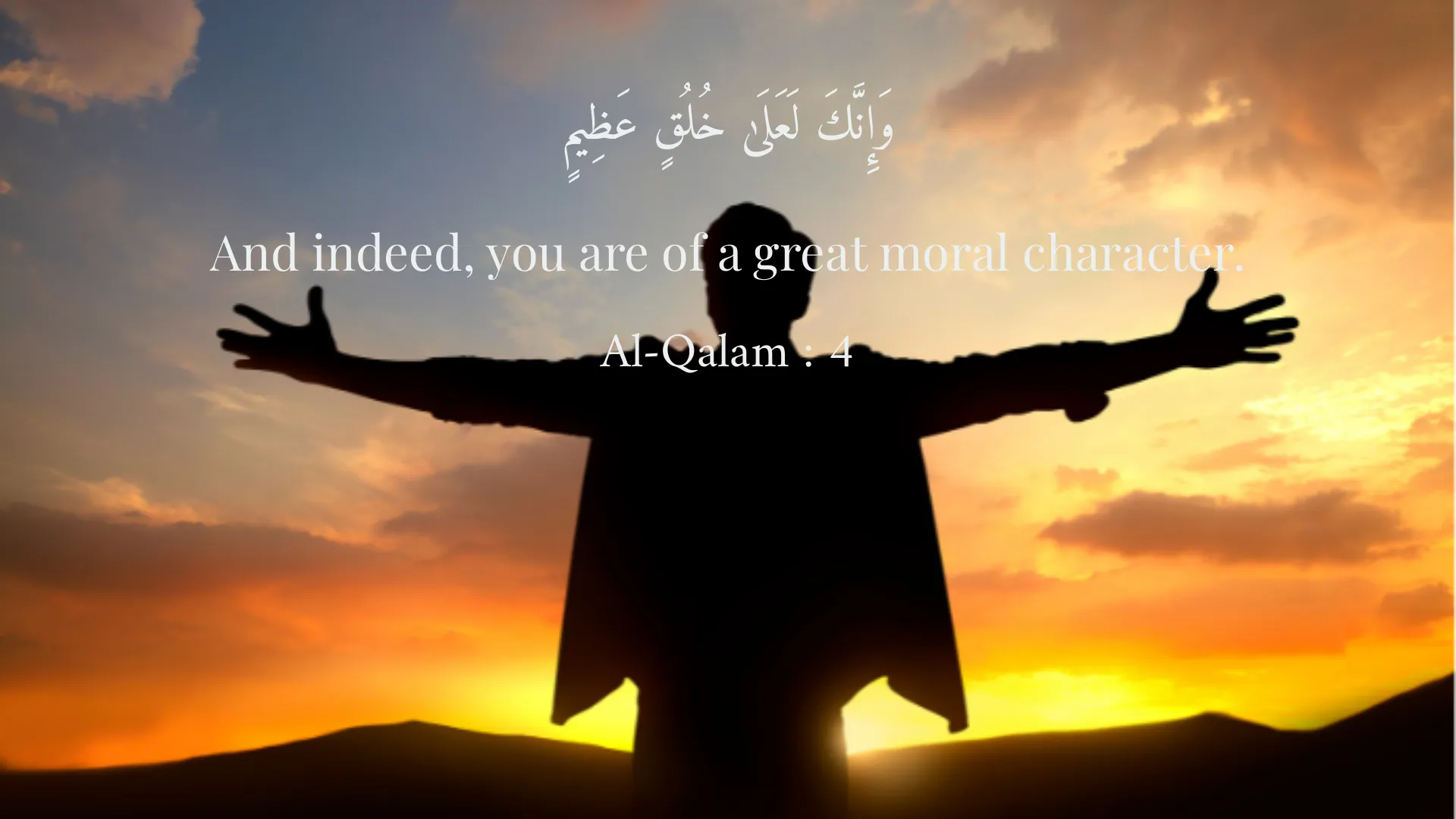
The Holy Quran, the luminous divine word, regards good character not merely as a commendable trait but as the backbone of faith and the primary factor for individual and societal salvation. In the Quranic perspective, good morals are not simply a set of social customs, but a profound manifestation of faith in God, knowledge of Him, and an understanding of humanity's place in existence. This divine book guides believers towards a range of moral virtues that infuse worldly life with peace and spirituality, accumulating invaluable treasures for the Hereafter. One of the clearest indications of the Quran's emphasis on good character is in its description of the Prophet Muhammad's (PBUH) personality. In Surah Al-Qalam, verse 4, Allah states: "وَإِنَّكَ لَعَلَىٰ خُلُقٍ عَظِيمٍ"; meaning, "And indeed, you are of a great moral character." This verse illustrates that the Prophet (PBUH) is the perfect and comprehensive embodiment of all noble moral traits, and his conduct serves as the criterion and model for all believers to achieve good character. The Prophet's ethics, not only in individual worship but also in social interactions, towards friends and foes, in times of victory and defeat, were always founded on mercy, justice, kindness, and forgiveness. The Holy Quran elaborates on numerous moral virtues and considers them an integral part of faith. Patience (Sabr) is one of the most important among them. Patience means enduring hardships, perseverance against sins, and steadfastness in obeying Allah. In Surah Al-Baqarah, verse 153, Allah says: "يَا أَيُّهَا الَّذِينَ آمَنُوا اسْتَعِينُوا بِالصَّبْرِ وَالصَّلَاةِ ۚ إِنَّ اللَّهَ مَعَ الصَّابِرِينَ"; meaning, "O you who have believed, seek help through patience and prayer. Indeed, Allah is with the patient." Patience is not only about enduring external difficulties but also about self-control and self-restraint against temptations and carnal desires, which are fundamental pillars of good character. Forgiveness (Afw and Safh) is another prominent feature of Quranic ethics. The Holy Quran commands believers not only to restrain their anger but also to overlook the mistakes of others. In Surah Al-Imran, verse 134, we read: "الَّذِينَ يُنفِقُونَ فِي السَّرَّاءِ وَالضَّرَّاءِ وَالْكَاظِمِينَ الْغَيْظَ وَالْعَافِينَ عَنِ النَّاسِ ۗ وَاللَّهُ يُحِبُّ الْمُحْسِنِينَ"; meaning, "Those who spend [in the cause of Allah] during ease and hardship and who restrain anger and who pardon the people - and Allah loves the doers of good." This verse beautifully shows that forgiveness and anger management are signs of beneficence and righteousness, which earn divine love. Forgiveness not only brings inner peace to the individual but also sows the seeds of peace and friendship in society. Justice (Adl) and Beneficence (Ihsan) are also central principles of Quranic ethics. In Surah An-Nahl, verse 90, Allah issues a comprehensive command: "إِنَّ اللَّهَ يَأْمُرُ بِالْعَدْلِ وَالْإِحْسَانِ وَإِيتَاءِ ذِي الْقُرْبَىٰ وَيَنْهَىٰ عَنِ الْفَحْشَاءِ وَالْمُنكَرِ وَالْبَغْيِ ۚ يَعِظُكُمْ لَعَلَّكُمْ تَذَكَّرُونَ"; meaning, "Indeed, Allah enjoins justice and good conduct and giving to relatives and forbids immorality and bad conduct and oppression. He admonishes you that perhaps you will be reminded." This verse is considered the most comprehensive ethical verse in the Quran because it commands major virtues (justice, beneficence, kinship ties) and forbids major vices (immorality, evil, oppression). Justice means putting everything in its rightful place and giving every right-holder their due; and Ihsan means doing something beyond justice, i.e., doing good without expecting a reward, which is the pinnacle of generosity and nobility of spirit. Furthermore, the Quran strongly emphasizes truthfulness (Sidq) and avoidance of lies and deceit, humility (Tawadu') before creation and the Creator, and avoidance of arrogance, modesty (Haya') and chastity in speech and conduct, kindness and gentleness in dealing with people, and fulfillment of promises. It also strictly forbids vices such as backbiting (Gheebah), slander (Buhtan), suspicion (Dhann), mockery, grudges, envy, and stinginess. These prohibitions are because such traits not only harm human relationships but also corrupt the individual's soul, diverting them from the path of closeness to God. In summary, the Holy Quran considers good character an inseparable part of faith and servitude. Good morals are a reflection of true monotheism; one who truly knows God and acknowledges His Oneness cannot be arrogant. One who believes in divine justice cannot oppress others. Good character not only brings peace and happiness to the individual but also builds a healthy, dynamic society based on love and trust. The Quran urges believers to adorn themselves with good character, not only to perfect their worship but also to attract others to noble divine values as a symbol of true Islam. Therefore, good character plays a pivotal and fundamental role in Quranic teachings, serving as a clear path to success in both worlds.
Related Verses
وَإِنَّكَ لَعَلَىٰ خُلُقٍ عَظِيمٍ
And indeed, you are of a great moral character.
Al-Qalam : 4
الَّذِينَ يُنفِقُونَ فِي السَّرَّاءِ وَالضَّرَّاءِ وَالْكَاظِمِينَ الْغَيْظَ وَالْعَافِينَ عَنِ النَّاسِ ۗ وَاللَّهُ يُحِبُّ الْمُحْسِنِينَ
Those who spend [in the cause of Allah] during ease and hardship and who restrain anger and who pardon the people - and Allah loves the doers of good.
Al-Imran : 134
إِنَّ اللَّهَ يَأْمُرُ بِالْعَدْلِ وَالْإِحْسَانِ وَإِيتَاءِ ذِي الْقُرْبَىٰ وَيَنْهَىٰ عَنِ الْفَحْشَاءِ وَالْمُنكَرِ وَالْبَغْيِ ۚ يَعِظُكُمْ لَعَلَّكُمْ تَذَكَّرُونَ
Indeed, Allah enjoins justice and good conduct and giving to relatives and forbids immorality and bad conduct and oppression. He admonishes you that perhaps you will be reminded.
An-Nahl : 90
Short Story
One day, a king sought advice from a dervish. The dervish, with a warm smile, said: "O King, win hearts with kindness and good character, not with power and wealth. Whoever possesses good character becomes beloved by all, even if they do not reign as a king. But he who is ill-tempered and ill-mannered will be alienated from hearts, even if seated on a throne. Remember what Sa'di said: 'Not everyone who possesses a beautiful stature and figure, nor everyone who has an eloquent hand and an engaging disposition.' Thus, true worth lies in courtesy and kindness, not in status and position." The king took heed of the dervish's words and realized that good character is more precious than any treasure. From then on, he turned more to kindness and courtesy, and his good name remained eternal in history.