Quranic Answer
Human beings, by their very nature, possess both strengths and weaknesses. Moments of weakness are a universal experience for all of us; times when our resolve falters and temptations appear overwhelmingly strong. In such circumstances, surrendering to sin might seem like the easiest path, but the luminous teachings of the Holy Quran offer profound and practical guidance on how to overcome these vulnerable moments. The Quran not only teaches us how to abstain from sin but also identifies the roots of this weakness, proposing solutions to strengthen our spirits and minds, enabling us to remain steadfast against the onslaught of temptations. These solutions encompass a range of spiritual, mental, and practical dimensions, each playing a vital role in preserving our purity and guiding us towards perfection, helping us resist internal and external challenges and move towards divine pleasure. One of the most fundamental pillars of resistance against sin during moments of weakness is 'seeking assistance from Allah.' The Holy Quran repeatedly emphasizes that in facing challenges and temptations, individuals should not feel alone but must seek refuge in the boundless power of the Divine. Surah Al-Baqarah, verse 153, explicitly states: "O you who have believed, seek help through patience and prayer. Indeed, Allah is with the patient." This verse introduces two powerful tools for combating weakness: 'patience' (Sabr) and 'prayer' (Salah). Patience here means steadfastness, resilience, and endurance against the allure of sin, and bearing the difficulties of struggling against one's lower self (nafs). When confronted with a temptation that pulls our mind and spirit towards it, patience grants us the power to pause, to weigh the consequences of the action, and not to succumb to momentary desires. Patience also teaches us that every moment of weakness is an opportunity for growth and drawing closer to Allah. Prayer, the pillar of faith and the ascension of the believer, is the strongest bond connecting us to the Creator. In every unit of prayer, we stand before the grandeur of Allah, acknowledge our needs and weaknesses, and seek strength and assistance from Him. Prayer is a window to divine tranquility that calms anxious hearts and strengthens wavering wills. Imagine being at the peak of temptation, when suddenly the call to prayer (Adhan) reaches your ears, inviting you towards Salah; this invitation itself serves as a wake-up call to return to one's pure nature and seek help from the endless source of power. Prayer is not merely an act of worship; it is a deep meditation that purifies the mind from sinful thoughts and directs it towards the remembrance of God. The presence of heart in prayer itself acts as a shield against temptations, as in those moments, one is entirely devoted to their Lord. A second crucial strategy is 'knowing the enemy and seeking refuge in Allah from its evil.' The Holy Quran identifies Satan (Shaitan) as the manifest enemy of humanity, constantly lying in wait to divert individuals from the righteous path. Satan exploits human weaknesses, despair, anger, lust, and heedlessness. He makes false promises and beautifies evil deeds. Surah Al-A'raf, verses 200 and 201, offer clear guidance: "And if an evil suggestion comes to you from Satan, then seek refuge in Allah. Indeed, He is Hearing and Knowing. Indeed, those who fear Allah – when an impulse from Satan touches them, they remember [Him] and immediately become [rightly] observant." These verses teach us that the first step in confronting temptation is to recognize its source. When a temptation crosses our mind, we must immediately discern that it is a satanic whisper and instantly seek refuge in Allah by saying "A'udhu billahi min ash-shaytanir-rajeem" (I seek refuge in Allah from the accursed Satan). This seeking of refuge is not merely a verbal invocation but a heartfelt decision to sever ties with the source of evil and connect with the source of goodness. The remembrance of Allah at this moment is like a spotlight that pierces the darkness of temptation and illuminates the path of truth. Satan attempts to deceive humans through gradual and subtle whispers, and recognizing these methods is half the battle in overcoming him. The awareness that he can only tempt and has no power over true believers further empowers an individual. The third and perhaps most important principle is 'Taqwa (God-consciousness) and constant remembrance of Allah.' Taqwa means piety and fear of God, but not a fear that paralyzes; rather, it is a fear coupled with love and respect that compels a person to observe divine limits and abstain from sin. One who possesses Taqwa constantly perceives themselves to be in the presence of Allah. They know that Allah is observing their deeds and that nothing is hidden from Him. This awareness creates a powerful internal guardian against sin. Surah At-Talaq, verses 2 and 3, state: "...And whoever fears Allah – He will make for him a way out and will provide for him from where he does not expect..." This verse is a divine guarantee that Taqwa not only prevents sin but also eases the ways of overcoming difficulties and finding exits from hardships. Constant remembrance of Allah (Dhikr) keeps the heart alive and purifies it from impurities. When the heart finds tranquility through the remembrance of Allah (Surah Ar-Ra'd, verse 28: "Unquestionably, by the remembrance of Allah hearts are assured"), there remains no room for satanic temptations. This remembrance can include reciting the Quran, glorifying Allah (Tasbih), seeking forgiveness (Istighfar), and contemplating divine verses. Taqwa grants insight, enabling one to clearly distinguish between truth and falsehood, good and evil, and to choose the right path amidst life's complexities. This inner state is the strongest barrier against the inclination to sin. The fourth strategy is 'the open door of repentance and hope in divine mercy.' Humans are prone to error and may sometimes falter in moments of weakness. However, the Quran emphasizes that one should not despair of Allah's mercy. Surah Az-Zumar, verse 53, states: "Say, 'O My servants who have transgressed against themselves [by committing sins], do not despair of the mercy of Allah. Indeed, Allah forgives all sins. Indeed, it is He who is the Forgiving, the Merciful.'" This verse keeps the door of hope open even after committing a sin. Knowing that Allah is Oft-Forgiving and Most Merciful gives a person the courage to immediately repent after a slip and return to the correct path. Immediate repentance prevents sin from taking root in the soul and from being repeated, paving the way for purity and salvation. This hope for forgiveness itself is a factor in strengthening one's resolve for the future, as the individual knows that Allah is always ready to accept the return of His servants, which in itself becomes a strong motivation to fight against the commanding self (nafs al-ammarah) once again. Despair itself is a great temptation from Satan that pushes one towards more sins. In contrast, hope in Allah's mercy is a driving force for moving towards righteousness and goodness. Finally, a set of 'practical and mental actions' also contribute to resisting sin. These actions include avoiding environments and factors that stimulate sin, refraining from associating with corrupt individuals, engaging oneself in useful and constructive activities, and contemplating the consequences of sin (both in this world and the hereafter). Studying the stories of prophets and saints, and how they resisted temptations, can be inspirational and strengthen our will. Furthermore, strengthening one's will through fasting, controlling anger, and continuous self-purification plays a significant role. Exercise, reading, charitable work, and helping others can divert the mind from negative thoughts and channel energy in a positive direction. Remember that the struggle against sin is an ongoing battle, requiring constant vigilance and effort. Every small victory over temptation is a great step on the path of perfection and proximity to Allah. By relying on these Quranic principles, every individual can, in moments of weakness, overcome their self with strength and faith, instead of surrendering, and move towards divine pleasure, experiencing a life full of tranquility and blessings.
Related Verses
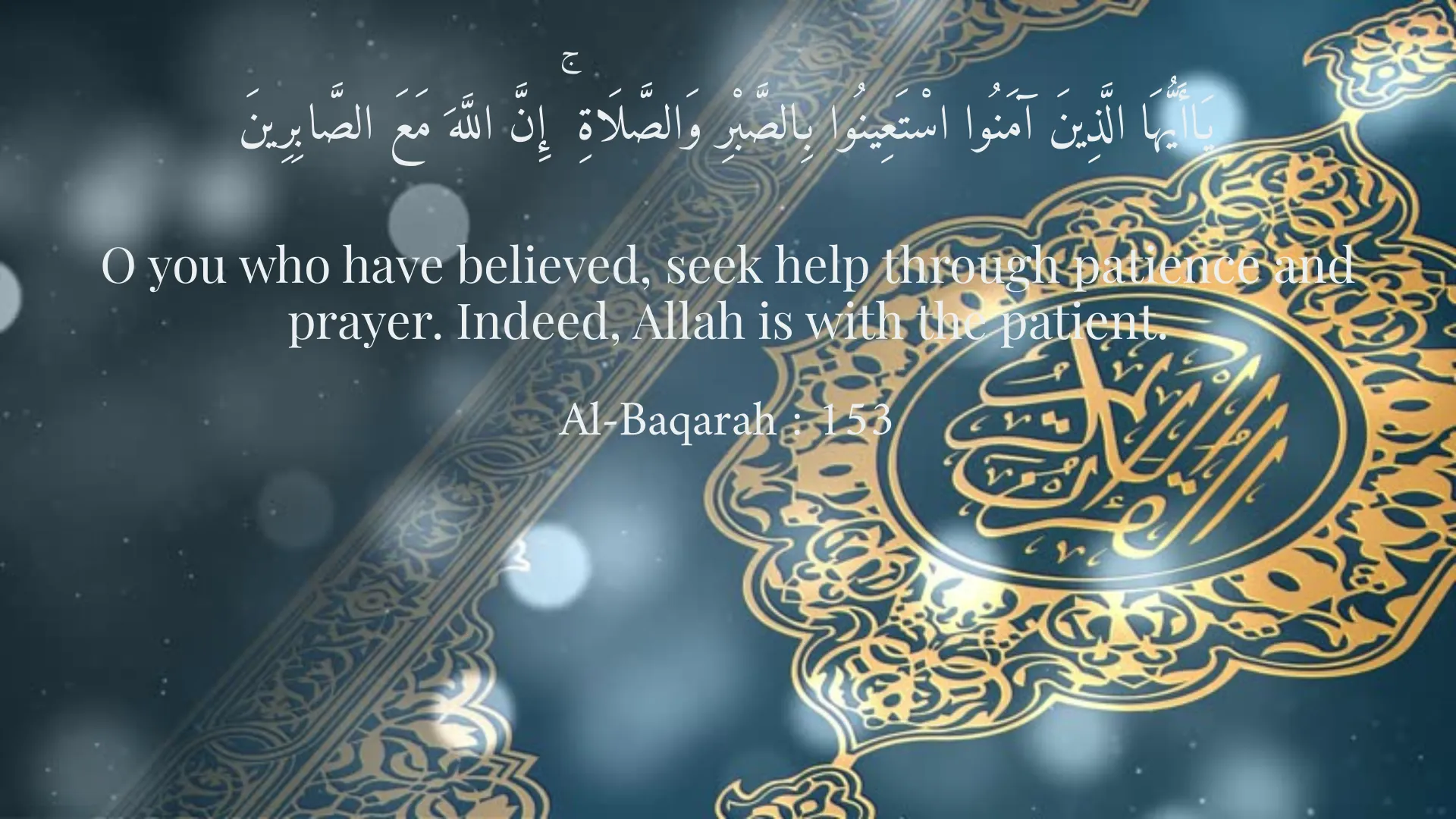
يَاأَيُّهَا الَّذِينَ آمَنُوا اسْتَعِينُوا بِالصَّبْرِ وَالصَّلَاةِ ۚ إِنَّ اللَّهَ مَعَ الصَّابِرِينَ
O you who have believed, seek help through patience and prayer. Indeed, Allah is with the patient.
Al-Baqarah : 153
وَإِمَّا يَنزَغَنَّكَ مِنَ الشَّيْطَانِ نَزْغٌ فَاسْتَعِذْ بِاللَّهِ ۚ إِنَّهُ سَمِيعٌ عَلِيمٌ.
And if an evil suggestion comes to you from Satan, then seek refuge in Allah. Indeed, He is Hearing and Knowing.
Al-A'raf : 200
إِنَّ الَّذِينَ اتَّقَوْا إِذَا مَسَّهُمْ طَائِفٌ مِّنَ الشَّيْطَانِ تَذَكَّرُوا فَإِذَا هُم مُّبْصِرُونَ
Indeed, those who fear Allah – when an impulse from Satan touches them, they remember [Him] and immediately become [rightly] observant.
Al-A'raf : 201
قُلْ يَا عِبَادِيَ الَّذِينَ أَسْرَفُوا عَلَىٰ أَنفُسِهِمْ لَا تَقْنَطُوا مِن رَّحْمَةِ اللَّهِ ۚ إِنَّ اللَّهَ يَغْفِرُ الذُّنُوبَ جَمِيعًا ۚ إِنَّهُ هُوَ الْغَفُورُ الرَّحِيمُ
Say, "O My servants who have transgressed against themselves [by committing sins], do not despair of the mercy of Allah. Indeed, Allah forgives all sins. Indeed, it is He who is the Forgiving, the Merciful."
Az-Zumar : 53
الَّذِينَ آمَنُوا وَتَطْمَئِنُّ قُلُوبُهُم بِذِكْرِ اللَّهِ ۗ أَلَا بِذِكْرِ اللَّهِ تَطْمَئِنُّ الْقُلُوبُ
Those who have believed and whose hearts are assured by the remembrance of Allah. Unquestionably, by the remembrance of Allah hearts are assured.
Ar-Ra'd : 28
Short Story
It is narrated that in a certain land, there lived a virtuous young man who, in moments of his life, faced temptations from his commanding self (nafs al-ammarah) and Satan, and he feared his weakness in those moments. One day, he approached an old, pious sage who had secluded himself in a mountain, and he recounted his state. The sage, with a kind smile, said: "O young man, know well that the human self is like a wild horse, and Satan, a deceptive rider upon it. If you do not take the reins of the horse and bring it to the field of training, it will go wherever it wishes and lead you to ruin." The sage then continued: "In the garden of your heart, plant the tree of Taqwa (God-consciousness) and water it daily with the remembrance of God and prayer. If a flower falls from its branch, quickly return to the true Gardener (Allah) and repent, so that a new bud may sprout. Know that small drops of water build a great dam, and heedlessness to small sins brings forth a devastating flood. So, always be vigilant, and instead of surrendering to momentary temptations, seek refuge in the boundless power of Allah and ask for His help, for He is the best Helper." The young man took heed of the sage's words, and thereafter, whenever weakness befell him, he committed his heart to the remembrance of Allah and saw himself under His protection, and thus he overcame his self and attained true peace.