Quranic Answer
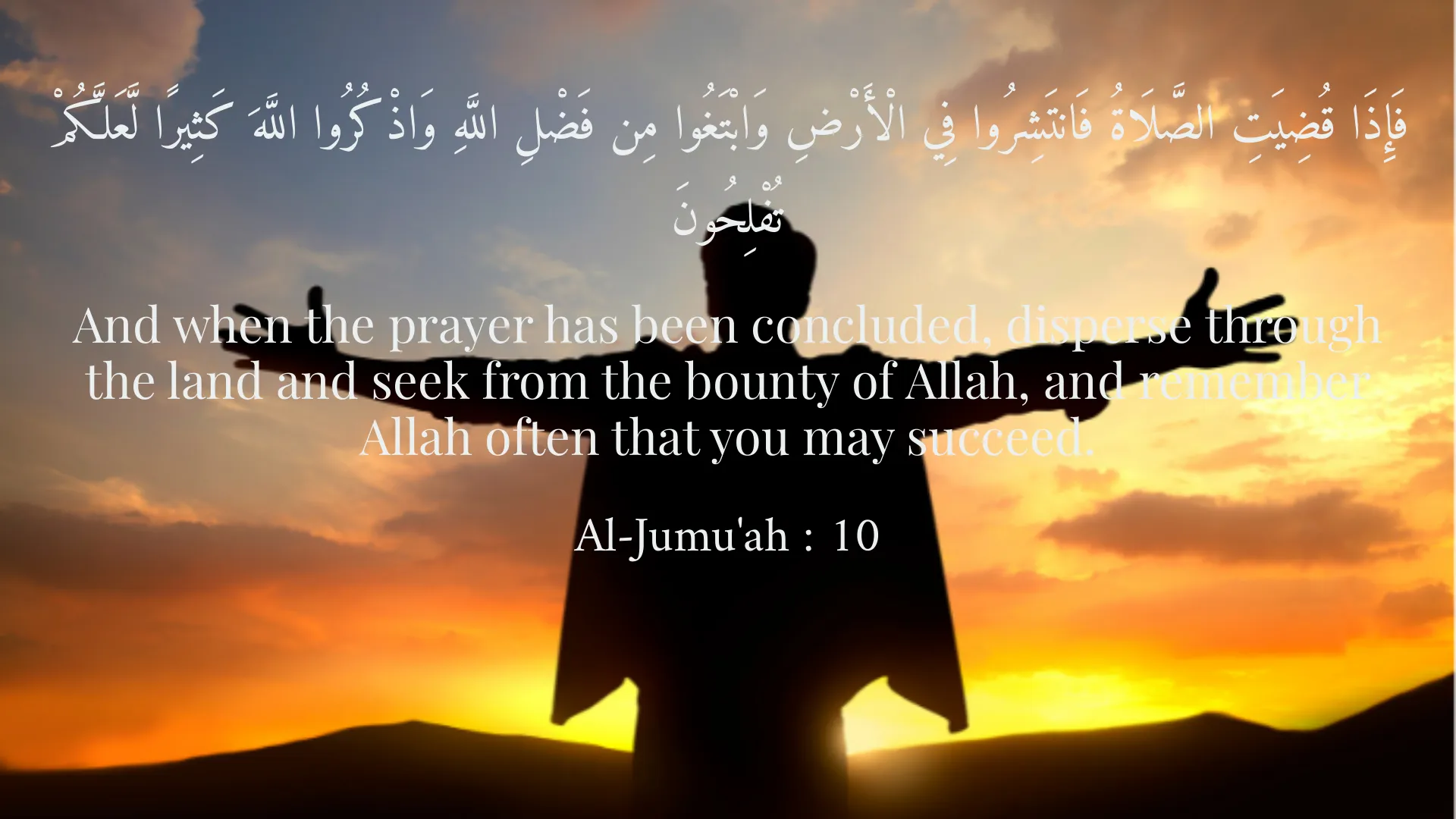
Spirituality, especially within the framework of Quranic and Islamic teachings, is not merely a tool for escaping reality; rather, it is a powerful source for confronting it, finding meaning in its challenges, and playing a constructive role in both worldly life and achieving eternal happiness. Many people might mistakenly believe that spirituality implies reclusiveness, detachment from society, or ignoring the problems and responsibilities of daily life. However, the Holy Quran explicitly emphasizes the importance of balance between the material and spiritual dimensions of life and calls believers to active and constructive participation in society. This misunderstanding of the nature of spirituality can lead to incorrect and harmful interpretations, pushing an individual towards passivity and escapism instead of empowerment. The primary goal of spirituality in Islam is to cultivate a strong soul connected to God, one that can find the light of hope and divine guidance within itself in any circumstance and act accordingly, rather than shying away from confronting harsh realities or difficult duties. The Holy Quran presents a comprehensive and realistic view of life through its teachings. This world is not only a place for divine examination and test but also a farm for cultivating the Hereafter. This concept means that our actions in this world, both material and spiritual, directly impact our destiny in the afterlife. Therefore, shying away from life's realities and its responsibilities is not a path to spiritual perfection; in fact, it contradicts the very purpose of human creation. In Surah Al-Jumu'ah, verse 10, after commanding the establishment of prayer, Allah states: "And when the prayer has been concluded, disperse through the land and seek from the bounty of Allah, and remember Allah often that you may succeed." This verse clearly indicates that even after performing the most important act of worship, believers are expected to return to their normal lives, seek livelihood, and simultaneously remember God frequently. This beautiful combination of worship and worldly endeavor forms the essence of a true and dynamic spiritual life. Spirituality in Islam calls an individual to patience and steadfastness in the face of difficulties. Surah Al-Baqarah, verse 153, states: "O you who have believed, seek help through patience and prayer. Indeed, Allah is with the patient." This verse shows that prayer and supplication are not meant for escaping hardships but for gaining strength and capability in confronting them. Patience here does not mean passive endurance but active perseverance and striving to overcome obstacles with reliance on God. A spiritual person views challenges as part of their growth journey and, relying on God and their inner strengths, strives to solve them, rather than turning a blind eye. Furthermore, the Quran strongly emphasizes human social and ethical responsibilities. Helping the needy, establishing justice, showing kindness to parents and relatives, and avoiding corruption are all integral parts of a spiritual life. Surah Al-Qasas, verse 77, says: "But seek, through that which Allah has given you, the home of the Hereafter; and [yet], do not forget your share of the world. And do good as Allah has done good to you. And desire not corruption in the land. Indeed, Allah does not like corrupters." This verse provides a golden rule for spiritual living: our primary goal should be the Hereafter, but we should never forget our share of this world (including work, lawful recreation, family, etc.). Moreover, true spirituality guides us towards goodness and kindness to others and restrains us from corruption and destruction on earth. This means spirituality is a driving force for active and responsible participation in society, not an excuse for withdrawal. Prophet Muhammad (PBUH) himself was a prime example of this balance; while possessing the highest degree of spirituality and connection with God, he also optimally performed his roles as a community leader, husband, father, warrior, and statesman. Therefore, to avoid using spirituality as an escape from reality, we must correct our understanding of it: true spirituality in Islam connects us to the earth and life, not separates us from it. This connection means accepting responsibilities, facing challenges with a strong and reliant spirit, striving to improve conditions for oneself and others, and playing an active role in building a better world. Prayer, fasting, remembrance, and supplication are all tools to strengthen the soul so that we can participate more powerfully in the arena of life. Spirituality is a driving and motivating force that gives depth and direction to our daily lives, not a refuge for hiding from difficult realities. We must always remember that God created us for action and movement, not for stagnation and escape from the world. When we understand spirituality in this way, we will use it not as a cover for problems, but as a light to illuminate the path of life and solve its issues.
Related Verses
فَإِذَا قُضِيَتِ الصَّلَاةُ فَانتَشِرُوا فِي الْأَرْضِ وَابْتَغُوا مِن فَضْلِ اللَّهِ وَاذْكُرُوا اللَّهَ كَثِيرًا لَّعَلَّكُمْ تُفْلِحُونَ
And when the prayer has been concluded, disperse through the land and seek from the bounty of Allah, and remember Allah often that you may succeed.
Al-Jumu'ah : 10
وَابْتَغِ فِيمَا آتَاكَ اللَّهُ الدَّارَ الْآخِرَةَ ۖ وَلَا تَنسَ نَصِيبَكَ مِنَ الدُّنْيَا ۖ وَأَحْسِن كَمَا أَحْسَنَ اللَّهُ إِلَيْكَ ۖ وَلَا تَبْغِ الْفَسَادَ فِي الْأَرْضِ ۖ إِنَّ اللَّهَ لَا يُحِبُّ الْمُفْسِدِينَ
But seek, through that which Allah has given you, the home of the Hereafter; and [yet], do not forget your share of the world. And do good as Allah has done good to you. And desire not corruption in the land. Indeed, Allah does not like corrupters.
Al-Qasas : 77
يَاأَيُّهَا الَّذِينَ آمَنُوا اسْتَعِينُوا بِالصَّبْرِ وَالصَّلَاةِ ۚ إِنَّ اللَّهَ مَعَ الصَّابِرِينَ
O you who have believed, seek help through patience and prayer. Indeed, Allah is with the patient.
Al-Baqarah : 153
Short Story
It is narrated that in ancient times, a devout worshipper sat in seclusion, busy with prayer day and night. Whenever someone called him to worldly affairs and attending to people, he would say: "My spirituality lies in solitude and freeing my heart from worldly attachments." One day, a wise sage passed by him. The worshipper spoke proudly of his detachment from the world. The sage smiled and said: "O friend, do you not know that the Almighty created the earth for prosperity and humanity for service? One who lives among people, carries their burdens, and keeps their heart illuminated with the remembrance of God, has a stronger spirituality than one who sits in a corner, unaware of the joys and sorrows of people. True spirituality flows within life, not in fleeing from it." The worshipper took heed of the sage's words and trembled, realizing that the path to perfection is not in abandoning the world but in living with purpose.