Quranic Answer
Abandoning sin is a significant desire for every believer, as highlighted in the Holy Quran. The pursuit of righteousness and the avoidance of sin are pivotal themes within Islamic teachings, presenting a framework for personal growth and spiritual fulfillment. This article aims to delve deeper into the concept of abandoning sin, the processes involved in sincere repentance, and the necessary elements that contribute to a believer's journey towards achieving spiritual purity. The first step in renouncing sin is to engage in sincere repentance, known in Arabic as 'Tawbah.' This process is not merely a superficial act; rather, it demands a deep, heartfelt commitment. A believer must genuinely pledge to Allah that they will not return to sin, demonstrating a sincere intention to amend their ways. In Surah At-Tahrim, verse 8, it is stated: "O you who have believed, repent to Allah with sincere repentance..." This verse clearly indicates that true repentance and distancing oneself from sin is the primary and most crucial step towards spiritual redemption. Repentance serves as a cleansing process for the soul, allowing individuals to shed the weight of their previous actions and embrace a new path. The significance of sincere repentance is profoundly highlighted in Islamic tradition. It is narrated that the Prophet Muhammad (peace be upon him) said, "All the sons of Adam are sinners, and the best of sinners are those who repent." This emphasizes that while sin is an inherent part of the human experience, what is essential is the willingness to seek forgiveness and make amends. The belief in God's mercy plays a crucial role here, as Allah is described in the Quran as 'The Most Merciful' and 'The Most Forgiving.' This understanding encourages individuals to seek repentance, as it is never too late to return to Allah. Moreover, after committing to sincere repentance, individuals should nourish their souls through the remembrance of Allah, known as 'Dhikr.' Engaging in Dhikr involves regular acts of worship such as prayer ('Salah'), supplication ('Dua'), and recitation of the Quran. Regular engagement in these acts fortifies a believer’s connection with Allah and promotes spiritual tranquility. As mentioned in Surah Al-Baqarah, verse 152: "So remember Me; I will remember you." This powerful verse signifies the importance of maintaining a continuous relationship with Allah through remembrance, which serves to keep individuals away from sin while granting them inner peace and contentment. Additionally, it is imperative for believers to be conscious of their surroundings and the company they keep. The Quran warns against associating with bad company and sinful environments, as they can influence one's behavior and mindset negatively. In Surah Al-Furqan, verse 67, Allah emphasizes that believers should avoid indulgences such as alcohol and gambling, which are often linked to destructive patterns of behavior. Engaging with righteous individuals, or 'Sahabah,' can provide the moral support required to maintain a sin-free lifestyle. Supportive friends who are committed to their faith can offer guidance and encouragement, helping each other resist temptations and maintain accountability in their spiritual journeys. The role of companionship in the pursuit of righteousness cannot be overstated. The Prophet Muhammad (peace be upon him) famously likened a good companion to a perfumer, stating that one is bound to benefit from being in the company of such individuals. Conversely, a bad companion is compared to a blacksmith, whose habits may tarnish a person’s character. This analogy underlines the significant impact that friendships can have on one’s faith and choices in life. Therefore, cultivating relationships with those who embody similar values is essential for spiritual development. Another pivotal aspect of renouncing sin is the continuous pursuit of knowledge. Seeking knowledge about Allah, His teachings, and the principles of Islam is fundamental in guiding behavior towards righteousness. Understanding the consequences of sin not only fosters a deeper appreciation of faith but also strengthens one’s resolve to avoid actions that are displeasing to Allah. Engaging in study circles and Islamic learning can enhance one's spiritual awareness and equip individuals with the tools to navigate the complexities of life while remaining steadfast in their faith. The process of abandoning sin is deeply interconnected with self-discipline and personal growth. It necessitates a determined effort to overcome one's shortcomings and develop a stronger character. Believers are encouraged to cultivate qualities such as patience ('Sabr'), gratitude ('Shukr'), and humility ('Tawadu'). These attributes are essential for maintaining a righteous life, as they instill perseverance in the face of challenges and a humble acknowledgment of one’s weaknesses. Moreover, personal reflection is critical in the path of self-improvement. Engaging in self-assessment allows individuals to recognize areas where they may fall short and seek ways to rectify their behavior. The Quran encourages self-accountability, reminding believers to reflect on their actions and intentions regularly. In conclusion, the journey of abandoning sin and seeking forgiveness is a multifaceted endeavor requiring sincere repentance, remembrance of Allah, conscious social interactions, continuous acquisition of knowledge, and personal growth. Each of these elements plays a vital role in helping believers navigate their spiritual paths. As they draw closer to Allah through their efforts, they develop a profound understanding of their faith, leading to a life marked by righteousness and peace. Ultimately, the desire to renounce sin is rooted in the innate longing to connect with one's Creator, and the fulfillment of this desire leads to a life of purpose and harmony.
Related Verses
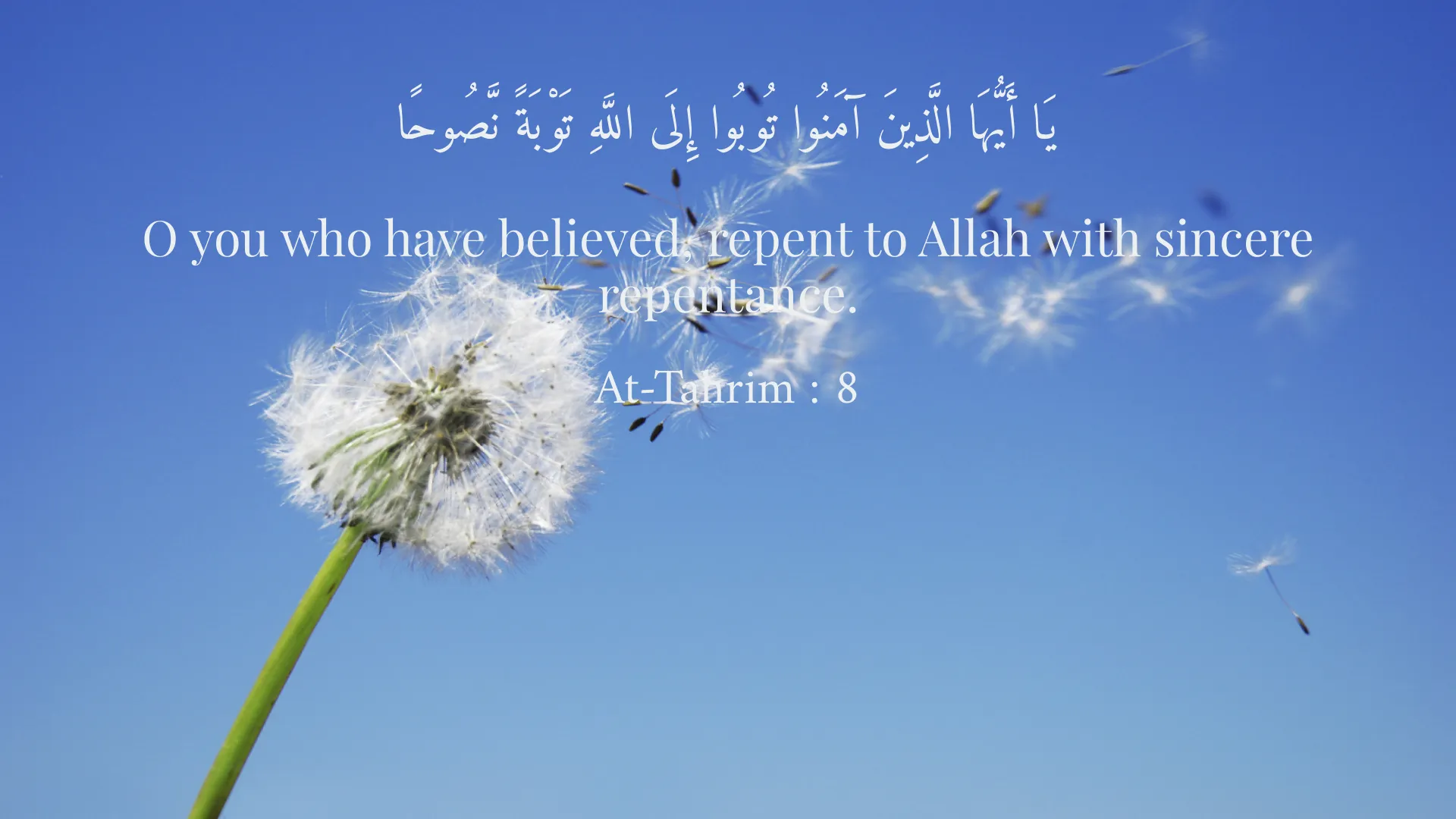
يَا أَيُّهَا الَّذِينَ آمَنُوا تُوبُوا إِلَى اللَّهِ تَوْبَةً نَّصُوحًا
O you who have believed, repent to Allah with sincere repentance.
At-Tahrim : 8
فَاذْكُرُونِي أَذْكُرْكُمْ
So remember Me; I will remember you.
Al-Baqarah : 152
وَأَلَّذِينَ لَا يَشْهَدُونَ الزُّورَ وَإِذَا مَرُّوا بِاللَّغْوِ مَرُّوا كِرامًا
And those who do not witness falsehood, and when they pass by ill speech, they pass by with dignity.
Al-Furqan : 67
Short Story
One day, a young man named Hossein found himself trapped in sins and didn’t know what to do. He decided to seek advice from scholars. Hearing Quranic verses and their advice, Hossein realized that only through repentance and remembering Allah could he escape this quagmire of sins. He sincerely repented and from that moment on, he remained mindful of Allah and surrounded himself with good friends who guided him toward a better life.