Quranic Answer
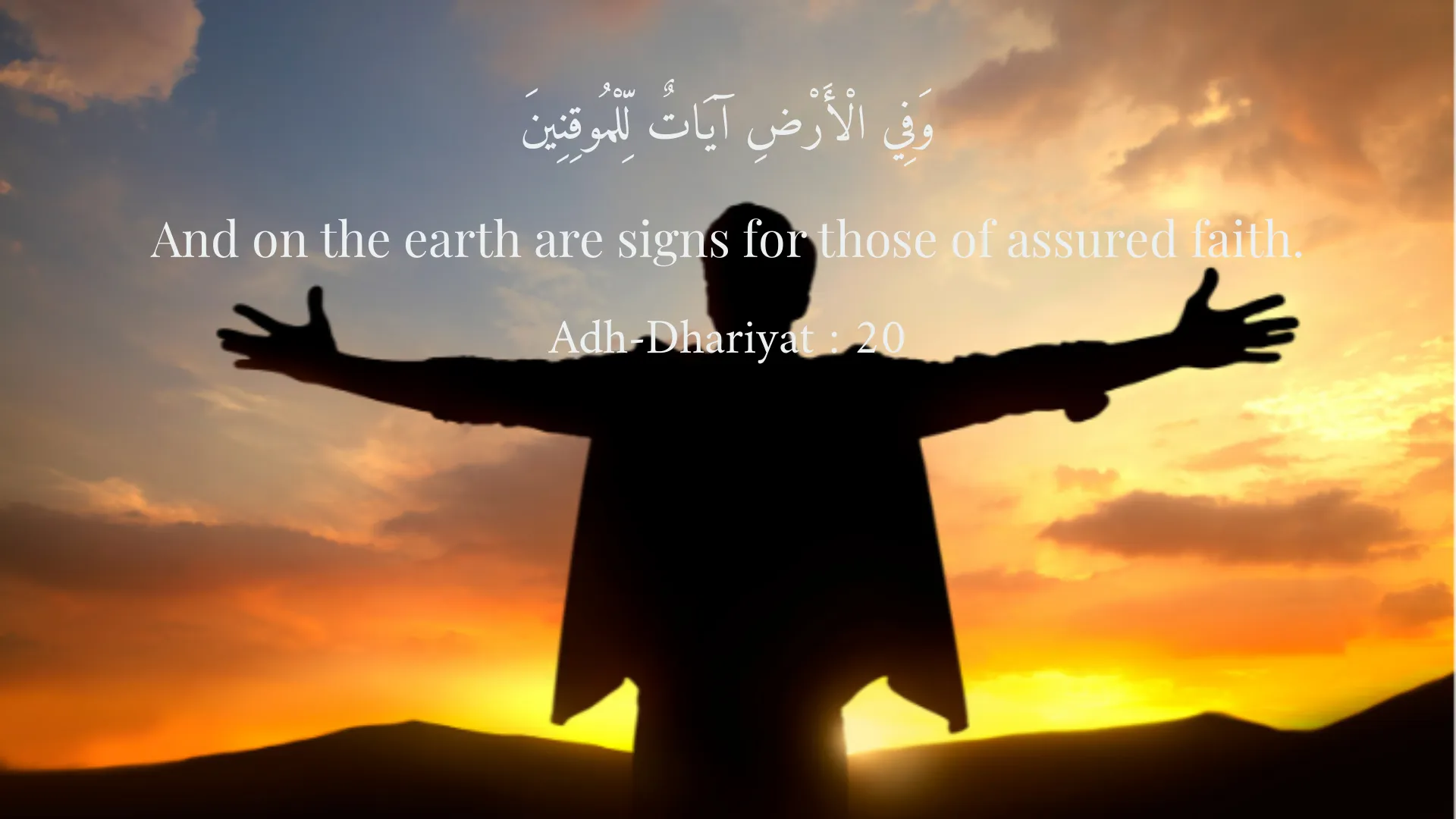
In the rich and profound teachings of the Holy Quran, achieving better self-knowledge is not merely a psychological exploration but a spiritual and existential journey deeply intertwined with the knowledge of God. The Quran teaches us that to truly know ourselves, we must first strive to know our Creator and reflect upon His divine signs, both in the universe (outer realms) and within ourselves (inner realms). This self-knowledge forms the foundation for understanding the purpose of creation, human responsibilities, and the path to salvation. The Holy Quran explicitly invites us to ponder upon our own existence. In Surah Adh-Dhariyat, verses 20-21, Allah states: "And on the earth are signs for those of assured faith. (20) And in yourselves. Then will you not see? (21)" These verses serve as a profound reminder that treasures of wisdom and knowledge are hidden not only in the vastness of the cosmos but also within the complexities and wonders of our own being. Reflecting on the creation of the body, the functioning of the mind, the intricacy of emotions, and human capabilities are all signs of the Creator's power, wisdom, and grandeur. Each one of us is an 'Ayah' (sign) of Allah Almighty, and understanding this truth is a significant step on the path of self-knowledge. One of the most central concepts in the Quranic path to self-knowledge is its intrinsic link with 'knowing God' (Ma'rifatullah). In Surah Al-Hashr, verse 19, Allah says: "And be not like those who forgot Allah, so He made them forget themselves. Those are the defiantly disobedient." This verse clearly indicates that forgetting Allah leads to forgetting oneself. Anyone who does not know God loses their true standing, the purpose of their creation, and the correct path for their life. Knowing God's attributes – such as Al-Alim (The All-Knowing), Al-Hakim (The All-Wise), Ar-Rahman (The Most Gracious), Ar-Rahim (The Most Merciful), Al-Qadir (The All-Powerful) – helps us to better understand our own existential nature. When we realize that we are weak, dependent, and mortal creations, brought into existence by an infinitely powerful, wise, and merciful Creator, we turn to humility, gratitude, and reliance on Him. This understanding not only defines our identity in the world but also provides us with peace and purpose. The Quran also describes various dimensions of the human soul (Nafs) and provides guidance for its purification (Tazkiyah). Surah Ash-Shams, from verses 7 to 10, addresses this topic: "And [by] the soul and [by] Him who proportioned it (7) and inspired it [with discernment of] its wickedness and its righteousness, (8) he has succeeded who purifies it, (9) and he has failed who corrupts it. (10)" These verses emphasize that Allah has endowed humanity with the ability to distinguish between good and evil, and success and salvation depend on 'Tazkiyah al-Nafs' or the purification of the soul. This purification involves struggling against the negative inclinations of the soul (Nafs al-Ammara), strengthening its positive aspects (Nafs al-Lawwama and Nafs al-Mutma'inna), and cultivating moral virtues such as patience, gratitude, honesty, justice, and humility. This continuous process of self-improvement guides individuals towards perfection and felicity, bringing a deeper understanding of one's strengths, weaknesses, inclinations, and inner capacities. To practically achieve this Quranic self-knowledge, several steps can be taken: 1. Reflecting on the Quran and the Prophet's Seerah (Biography): Studying and pondering over the verses of the Quran, as well as the life of Prophet Muhammad (peace be upon him) and his pure household, who are perfect human exemplars, serves as a great guide for understanding the self and elevating it. Quranic stories, lessons, and recommendations are all practical teachings for better understanding human nature and how to guide it. 2. Self-Accountability (Muhasabah al-Nafs): Continuously examining one's actions, thoughts, and intentions. The Quran teaches us that everyone should prepare provisions for their tomorrow (Al-Hashr: 18). This means reviewing our daily deeds each night before sleep, repenting for our mistakes, and planning to rectify them in the future. This self-assessment provides profound insights into our own strengths and weaknesses. 3. Worship and Remembrance (Ibadah and Dhikr): Prayer (Salah), fasting (Sawm), supplication (Du'a), and remembrance of Allah (Dhikr) are not merely religious obligations but powerful tools for purifying the soul and drawing closer to God. These acts keep one away from heedlessness, polish the heart, and strengthen inner perception. Continuous connection with the Creator brings peace and mental clarity, which are vital for self-knowledge. 4. Contemplation of Creation: Besides reflecting on oneself, pondering the creation of the heavens and the earth, mountains and seas, animals and plants, all contribute to increasing our knowledge of God and our place in this existence. This contemplation awakens a sense of humility and gratitude in a person. 5. Associating with the Righteous: Being in the company of pious and knowledgeable individuals can be very helpful on the path of self-knowledge. They can illuminate our blind spots and offer practical guidance. Ultimately, better self-knowledge in the light of the Quran means understanding the divine nature of the human soul, its physical limitations, its divine purpose, and the endless journey of purification and drawing closer to Allah. This self-knowledge not only brings worldly peace and prosperity but also prepares an individual for the afterlife, bestowing upon them a stable identity and profound meaning. It is a lifelong journey that deepens with every step taken in servitude to Allah, guiding humanity towards its ultimate perfection.
Related Verses
وَفِي الْأَرْضِ آيَاتٌ لِّلْمُوقِنِينَ
And on the earth are signs for those of assured faith.
Adh-Dhariyat : 20
وَفِي أَنفُسِكُمْ ۚ أَفَلَا تُبْصِرُونَ
And in yourselves. Then will you not see?
Adh-Dhariyat : 21
وَلَا تَكُونُوا كَالَّذِينَ نَسُوا اللَّهَ فَأَنسَاهُمْ أَنفُسَهُمْ ۚ أُولَٰئِكَ هُمُ الْفَاسِقُونَ
And be not like those who forgot Allah, so He made them forget themselves. Those are the defiantly disobedient.
Al-Hashr : 19
وَنَفْسٍ وَمَا سَوَّاهَا
And [by] the soul and [by] Him who proportioned it,
Ash-Shams : 7
فَأَلْهَمَهَا فُجُورَهَا وَتَقْوَاهَا
and inspired it [with discernment of] its wickedness and its righteousness,
Ash-Shams : 8
قَدْ أَفْلَحَ مَن زَكَّاهَا
he has succeeded who purifies it,
Ash-Shams : 9
وَقَدْ خَابَ مَن دَسَّاهَا
and he has failed who corrupts it.
Ash-Shams : 10
Short Story
In ancient times, a young man named Aref constantly sought to know himself and the meaning of life. He turned to every scholar and sought advice from every sage, but his heart found no peace. One day, he came to the door of a wise old man. The elder asked, "My son, what is all this searching for?" Aref replied, "I wish to know myself, so that I may comprehend the ultimate purpose of my existence." The elder smiled and said, "O Aref, do you imagine self-knowledge can be found in marketplaces and libraries? The mirror of your heart is the best guide. When you wipe the dust of heedlessness from it and open your eyes to the light of truth, you will find yourself in the reflection of knowing your Creator. You are from Him, and to Him you shall return. Whatever you wish to know about yourself is hidden in your connection with your Maker." Aref took these words to heart, and from that day on, instead of scattered pursuits, he devoted himself to contemplating his own being and his relationship with his Lord, and his heart was illuminated with the light of knowledge.