Quranic Answer
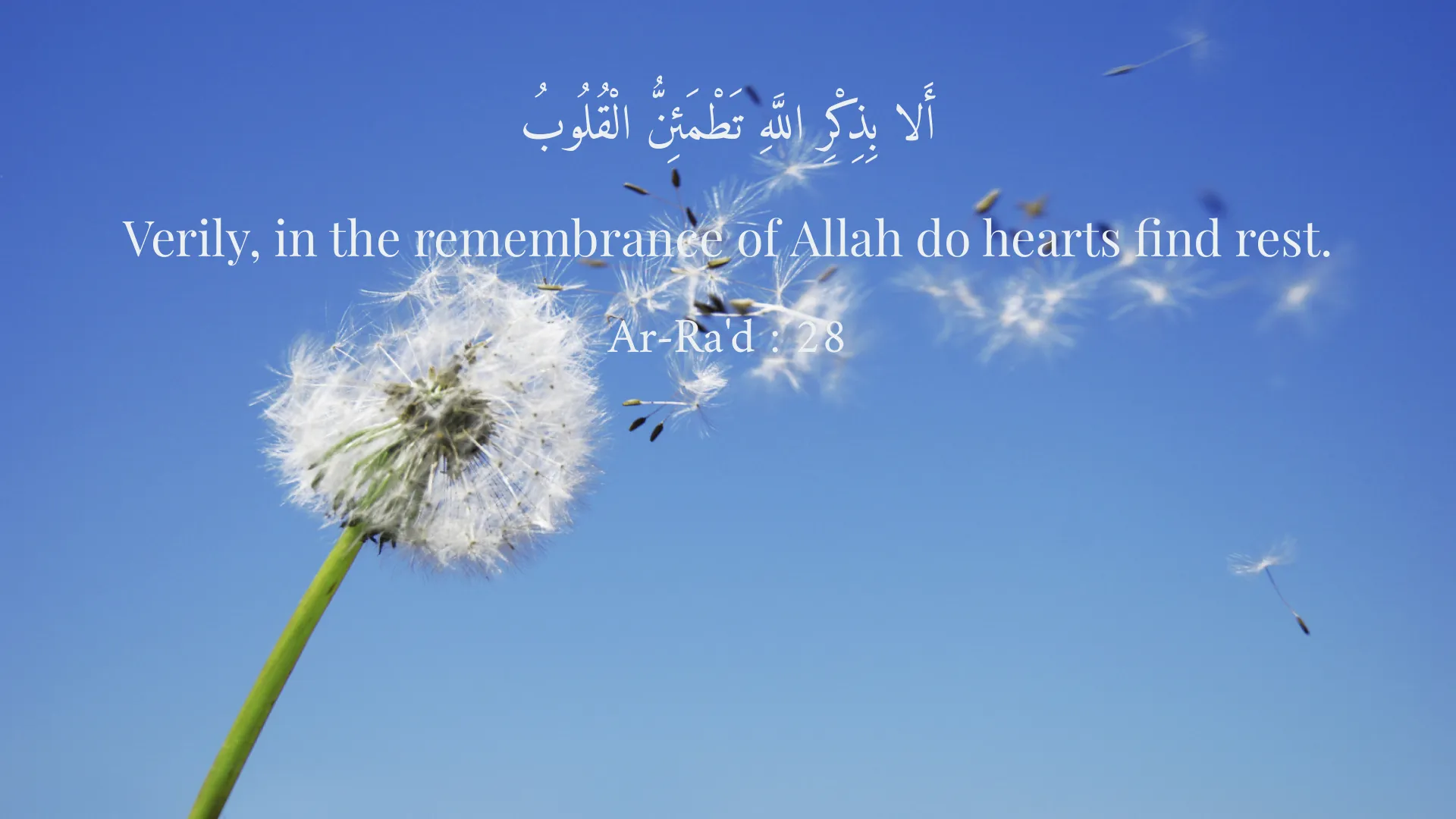
Inner peace is a profound state of harmony and tranquility that many individuals strive to achieve in their lives. In the context of Islamic teachings, the Holy Quran offers invaluable guidance on the significance of inner peace and the various paths leading towards its attainment. The verses of the Quran illuminate ways through which one can find solace amid the chaos of life, providing practical steps towards achieving a peaceful and serene state of mind. This article delves deeply into the Quranic verses that highlight the importance of inner peace, the role of God’s remembrance, the significance of patience and prayer, as well as the impact of positive relationships on one’s spiritual and emotional well-being. ### The Essence of Inner Peace in the Quran Inner peace is often construed as a state of mental and emotional stability that allows individuals to confront life's adversities with grace and composure. According to Islamic teachings, the pursuit of inner peace is not just a personal endeavor but a spiritual journey that fosters a deeper connection with Allah. The Holy Quran serves as a guide for believers in their quest for tranquility, emphasizing the importance of cultivating a serene heart and mind. In Surah Ar-Ra'd, Verse 28, Allah states, 'Verily, in the remembrance of Allah do hearts find rest.' This powerful verse encapsulates the essence of inner peace by asserting that the act of remembering Allah, engaging in frequent supplications, and invoking His presence can bring a calming effect to the heart. This remembrance, known as Dhikr in Arabic, is an essential practice in Islam, as it fosters mindfulness and consciousness of God, grounding individuals in the present moment and alleviating feelings of anxiety and distress. ### The Role of Patience and Prayer In addition to the remembrance of God, patience (Sabr) and prayer (Salah) are pivotal components in the Islamic framework for attaining inner peace. Surah Al-Baqarah, Verse 153, addresses this concept, stating, 'O you who have believed, seek help in patience and prayer. Indeed, Allah is with the patient.' This verse underscores the significance of patience, especially during times of hardship and trials. Patience is a virtuous quality that enables individuals to remain steadfast in the face of challenges. It serves as an emotional anchor that prevents one from succumbing to despair. By practicing patience, believers learn to accept the trials of life with an open heart, cultivating resilience and inner strength. Moreover, prayer acts as a direct line of communication with Allah, providing spiritual nourishment and comfort. When individuals engage in prayer, they often feel a sense of relief and solace, as it allows them to surrender their troubles to Allah and seek His guidance and support. ### The Power of Kindness and Positive Relationships The pursuit of inner peace extends beyond the self; it encompasses the relationships one nurtures with others. The Quran further emphasizes the importance of fostering positive and loving relationships in the quest for tranquility. In Surah Al-Mu'minun, Verse 96, Allah instructs, 'And not equal are the good deed and the bad. Repel by that which is best; then, indeed, the one between whom and you is enmity will be as though he was a devoted friend.' This verse highlights the transformative nature of good deeds and positive behavior in human interactions. By engaging in acts of kindness, compassion, and understanding, individuals can not only enhance their relationships but also create a more harmonious environment that promotes inner peace. The Quran advocates for responding to hostility with kindness and forbearance, illustrating that such behavior can turn adversaries into allies. This principle reflects the fundamental Islamic teaching of fostering community and building connections that are rooted in mutual respect and love. ### The Intersection of Faith and Inner Peace The quest for inner peace in Islam is deeply intertwined with one’s faith and relationship with Allah. Believing in Allah’s wisdom and mercy instills a sense of security and comfort that is essential for achieving peace of mind. The more one develops a trusting relationship with Allah, the more they can let go of their anxieties and fears. This concept is beautifully encapsulated in the Quranic verse that reminds believers that Allah is with them, especially during their moments of hardship. Furthermore, the practice of seeing challenges as tests from Allah can frame an individual’s perspective in a way that fosters resilience and subsequently inner peace. Understanding that difficulties are a part of life and that they serve a higher purpose can cultivate a sense of acceptance, leading to a more peaceful disposition. ### Practical Steps Towards Cultivating Inner Peace Achieving inner peace is often a gradual process, requiring dedication and commitment. Here are some practical steps, drawn from the teachings of the Quran, that individuals can take to foster tranquility in their lives: 1. Engage in Dhikr: Incorporate the remembrance of Allah into daily routines, such as reciting Quranic verses, engaging in prayer, and making supplications. This helps cultivate mindfulness and awareness of God’s presence. 2. Practice Patience: Develop the quality of patience through self-reflection and conscious effort. Recognize that challenges and trials are part of life’s journey, and respond with resilience. 3. Establish a Prayer Routine: Create a consistent prayer schedule, allowing time for reflection and connection with Allah. Utilize prayer as a means of seeking guidance and solace. 4. Nurture Relationships: Foster positive connections with family, friends, and community members. Engage in acts of kindness and strive to resolve conflicts amicably. 5. Engage in Self-reflection: Take time for introspection to understand personal triggers and responses. This helps in managing emotions and fostering a peaceful mindset. ### Conclusion Inner peace is a multifaceted concept that lies at the heart of Islamic teachings. The Holy Quran offers profound insights into achieving this state of tranquility through the remembrance of Allah, the practice of patience and prayer, and the cultivation of positive relationships. By integrating these teachings into daily life, individuals can embark on a transformative journey towards enduring peace and harmony. The quest for inner peace is not merely an individual endeavor; it is a holistic approach that encompasses one’s relationship with oneself, with others, and ultimately with Allah. In an increasingly chaotic world, the wisdom of the Quran serves as a timeless guide, illuminating paths towards lasting inner peace.
Related Verses
أَلا بِذِكْرِ اللَّهِ تَطْمَئِنُّ الْقُلُوبُ
Verily, in the remembrance of Allah do hearts find rest.
Ar-Ra'd : 28
يَا أَيُّهَا الَّذِينَ آمَنُوا اسْتَعِينُوا بِالصَّبْرِ وَالصَّلَاةِ ۚ إِنَّ اللَّهَ مَعَ الصَّابِرِينَ
O you who have believed, seek help through patience and prayer. Indeed, Allah is with the patient.
Al-Baqarah : 153
وَلَا تَسْتَوِي الْحَسَنَةُ وَلَا السَّيِّئَةُ ادْفَعْ بِالَّتِي هِيَ أَحْسَنُ ۖ فَإِذَا الَّذِي بَيْنَكَ وَبَيْنَهُ عَدَاوَةٌ كَأَنَّهُ وَلِيٌّ حَميمٌ
And not equal are the good deed and the bad. Repel by that which is best; then, indeed, the one between whom and you is enmity will be as though he was a devoted friend.
Al-Mu'minun : 96
Short Story
Once upon a time, there was a man named Hasan who was troubled and anxious in his life. He decided to pray to God and increase his remembrance of Him in his daily life. Hasan began to pray and engage in the remembrance of God, and over time he felt a greater sense of calm. He realized that the remembrance of God and patience during difficult times had brought him inner peace.