Quranic Answer
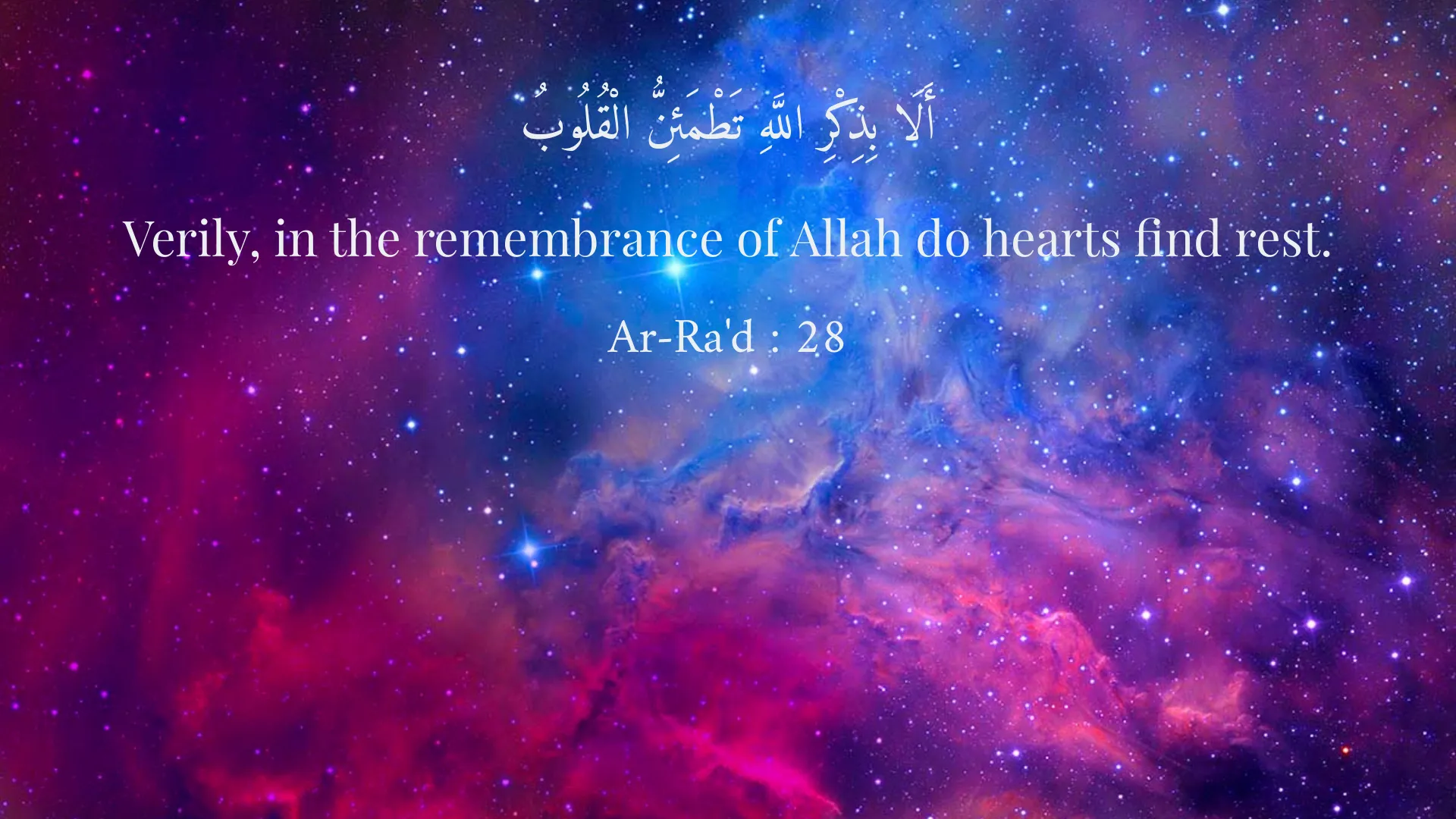
Peace is universally acknowledged as one of the fundamental needs of human beings. It is an innate desire ingrained in our very essence. Throughout history, individuals and societies have sought peace, whether it be in personal lives, within families, in communities, or on a global scale. The Holy Quran, revered as the ultimate guide and source of wisdom for billions of Muslims around the world, offers numerous insights and solutions aimed at attaining this invaluable tranquility. Among these divine instructions, several noteworthy principles stand out, particularly emphasizing the significance of establishing a deep and abiding connection with God, righteous conduct, and the practice of piety. One of the primary ways to achieve serenity is through the remembrance of God, a concept deeply embedded in the Quranic teachings. The Holy Quran states in Surah Ar-Ra'd, verse 28: 'Verily, in the remembrance of Allah do hearts find rest.' This verse succinctly encapsulates the essence of spiritual fulfillment that can be derived from continuously engaging in the remembrance of God. By fostering a spiritual connection and regularly reflecting upon His greatness, individuals can cultivate an inner peace that endures even in the face of life's trials. The act of remembrance, known as Dhikr in Arabic, serves as a spiritual tool that soothes the mind and heart. Whether through prayer, meditation, or simply engaging in thoughts about the divine, this practice provides emotional solace and a sense of belonging. When we remember God, we acknowledge His omnipresence, which encourages us to trust in His divine plan. This trust fosters a sense of security that guides us through turbulent times, allowing us to rise above despair and anxiety. The Quran makes it clear that reliance on God is pivotal in our journey toward achieving tranquility. Moreover, righteous behavior and adherence to religious commandments are foundational elements for attaining peace. The Quran reinforces this notion in Surah Aal-e-Imran, verse 139, which states: 'So do not lose hope, nor be sad, if you are true believers...' This verse conveys the idea that true faith in God serves as a steadfast anchor amidst the storms of life. A meaningful relationship with God transcends mere worship; it extends into living a life marked by ethical conduct, compassion, and steadfastness in the face of adversity. Believers are reminded of their responsibilities toward themselves and others, urging them to act righteously. By engaging in good deeds and uplifting others, individuals cultivate an environment of peace around them. When communities embody the principles of kindness, love, and understanding, the collective harmony radiates outward, ultimately contributing to overall peace. The Quran illustrates that such adherence to righteousness not only affects one’s own emotional state but also enhances societal wellbeing. Furthermore, the Quran emphasizes the importance of piety and righteousness in various facets of life. Surah At-Talaq, verse 2 specifies: 'And whoever fears Allah - He will make for him a way out.' This profound statement highlights the significance of a God-conscious life, characterized by awareness and respect for His commands. The connection between piety and alleviation of distress is reiterated, demonstrating that being pious is not just about ritualistic obedience; it is also about developing a sincere intention to lead a life aligned with divine will. Living a life driven by piety cultivates resilience and strength in the face of adversities. When individuals trust in God’s wisdom and act in accordance with His precepts, they inadvertently build not only a path to personal peace but also a framework for spiritual growth and development. Peace is thus portrayed as a holistic journey that encompasses the mind, body, and soul. This journey requires perseverance and commitment, yet it ultimately leads to sublime tranquility. In dealing with life's challenges, it is crucial to understand that setbacks and tribulations are part of the human experience. The Quran articulates this poignantly, providing reassurance that difficulties are transient, and deliverance is assured for those who remain steadfast and patient. As implied in Surah Al-Baqarah, verse 155: 'And We will surely test you with something of fear and hunger and a loss of wealth and lives and fruits, but give good tidings to the patient.' This affirmation calls believers to embody patience, signifying that overcoming hardships can catalyze inner growth and resilience. Moreover, the Quran’s acknowledgment of distress serves as a reminder that it is okay to experience hardship. The prescribed methods for dealing with such challenges, primarily through trust in God's plan, remembrance, and righteous action, instill a sense of hope and continuity, guiding individuals toward a peaceful state of mind. Importantly, Quranic verses that encourage remembrance and righteous conduct are not just recommendations; they are divine prescriptions intended to lead humanity toward thriving in peace, both individually and collectively. By embracing these teachings, believers can dismantle the barriers to peace rooted in fear, despair, and negativity. As individuals reflect on these concepts, they can embrace the transformative power inherent within them, cultivating an environment conducive to peaceful coexistence. Therefore, it is evident that achieving peace is a multifaceted endeavor that requires reliance on sacred teachings. The integration of divine principles into our daily lives allows us to navigate life’s complexities with grace and tranquility. By emphasizing remembrance, righteous conduct, and a pious approach to existence, individuals can foster a lasting peace that transcends surface-level contentment. In conclusion, the Holy Quran provides profound insights into the quest for peace, offering solutions rooted in spiritual guidance, ethical standards, and an unwavering belief in God. Through remembrance and righteous existences, individuals can fortify their hearts against life's challenges while establishing a framework for personal and societal harmony. The journey to peace is ongoing, but by firmly anchoring ourselves in these teachings, we can attain a lasting sense of tranquility, fulfilling one of humanity's most enduring desires.
Related Verses
أَلَا بِذِكْرِ اللَّهِ تَطْمَئِنُّ الْقُلُوبُ
Verily, in the remembrance of Allah do hearts find rest.
Ar-Ra'd : 28
فَلَا تَهِنُوا وَتَدْعُوا إِلَى السَّلْمِ وَأَنْتُمُ الْأَعْلَوْنَ إِن كُنتُمْ مُؤْمِنِينَ
So do not lose hope, nor be sad, if you are true believers.
Aal-e-Imran : 139
وَمَن يَتَّقِ اللَّهَ يَجْعَل لَّهُ مَخْرَجًا
And whoever fears Allah - He will make for him a way out.
At-Talaq : 2
Short Story
One day, a young man named Amir was reflecting on his life, feeling constantly stressed and anxious. He decided to turn to the Quran for guidance. As he studied various verses, he realized that the remembrance of God and piety could transform his life. He started his days with meditation and prayers, and gradually, he began to feel a sense of peace. Looking around him, he saw how his life had changed, and he enjoyed life more than ever.