Quranic Answer
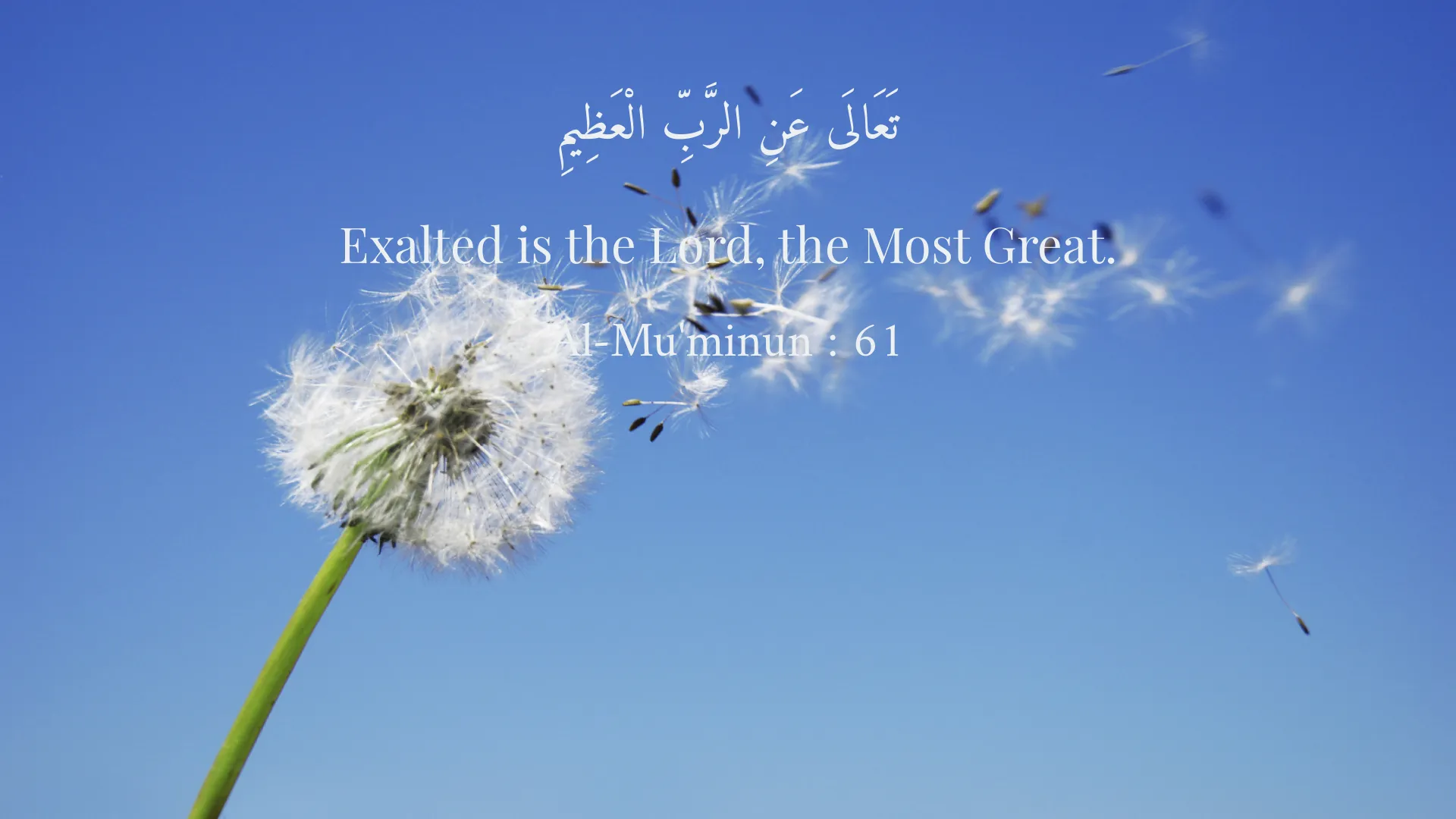
Self-esteem is a fundamental aspect of human life that profoundly influences how we interact with ourselves, others, and the world around us. It shapes our thoughts, feelings, and behaviors, playing a significant role in determining our overall mental well-being and life satisfaction. The Holy Quran places a distinguishable emphasis on self-esteem, articulating the importance of recognizing our intrinsic worth, deriving dignity from our relationship with Allah, and understanding that true honor belongs solely to God. This perspective invites believers to cultivate self-esteem that aligns with divine wisdom rather than worldly benchmarks. To begin with, it is essential to consider how the Quran guides us in developing a healthy sense of self-worth. In Surah Al-Mu’minun, verse 61, Allah states, 'Exalted is the Lord, the Most Great.' This divine assertion underscores the idea that all honor and respect belong to Allah alone. When believers acknowledge this truth, they are reminded that their dignity is not contingent upon societal perceptions, material possessions, or comparisons with others. Instead, self-esteem begins with a robust connection to the Creator. By recognizing their value in the sight of Allah, individuals gain the confidence to respect themselves and others, which fosters an environment rich in mutual understanding and appreciation. Furthermore, the concept of self-worth in the Quran extends beyond mere acknowledgment of dignity. It emphasizes the importance of not measuring our worth against others. In Surah Al-An’am, verse 167, Allah instructs humanity not to succumb to the pitfalls of comparison. This verse manifests a crucial lesson that can be life-changing for many. As individuals navigate through life, preoccupation with others often leads to feelings of inadequacy and inferiority. The Quran reminds us that our worth is innate and independent of external validation. By cultivating faith in our own abilities and talents, we can foster a positive self-image that is liberated from the shackles of comparison. This wisdom encourages believers to appreciate their unique attributes and contributions. Moreover, in times of struggle and adversity, the Quran offers guidance on maintaining self-esteem. Surah Ali Imran, verse 139, advises: 'And do not weaken or grieve.' This powerful reminder encourages believers not to succumb to despair in the face of challenges. Life invariably presents hurdles; however, the Quran instills resilience and fortitude. By placing trust in Allah and striving to become the best version of oneself, individuals can navigate difficulties with grace and courage. This pursuit not only fortifies self-esteem but also cultivates a spirit of perseverance central to personal growth. Self-awareness is another critical element in nurturing self-esteem, supported by Quranic teachings. The Quran emphasizes the idea of recognizing our inner values and appreciating the sanctity of our existence. In a world that often rewards superficial attributes, the Quran categorically states: 'And We have certainly honored the children of Adam.' This definitive proclamation highlights that every human being is created with inherent dignity, providing a powerful message about the importance of valuing oneself. Recognizing this honor cultivates self-respect, motivating individuals to embrace their uniqueness, improving not only their self-esteem but also their interactions with others. In addition to these reflections, the association between self-esteem and personal responsibility emerges in light of the Quran’s teachings. The Quran encourages individuals to acknowledge their accountability, emphasizing that self-worth is closely tied to one's actions and choices. Self-esteem must be rooted in personal integrity and a commitment to better oneself. When individuals work towards self-improvement, they cultivate not only a robust sense of self-esteem but also contribute positively to their communities. The journey towards self-esteem is not merely about individual fulfillment but is also interwoven with the concept of mutual respect and empathy for others. By nurturing our self-esteem through a connection with the Divine and recognition of our worth, we become better equipped to uplift those around us. In this regard, the Quran encourages a higher ethical standard, advocating for compassion and understanding in our relationships. When we hold ourselves in high regard, we become more tolerant and respectful towards others, leading to harmonious interactions and fostering a community built on mutual respect and dignity. The significance of self-esteem in the Quran is further enriched by its emphasis on gratitude. Gratitude is a powerful tool for enhancing self-esteem. In recognizing and appreciating the blessings bestowed upon us, we foster a sense of contentment and fulfillment. The Quran continually invites believers to reflect on the bounties of Allah, reinforcing the notion that self-esteem blooms in an environment of gratitude and acknowledgment of the good in our lives. This practice allows individuals to shift their focus from what they lack to the abundance already present in their lives, thus enhancing their overall self-worth. As we progress in our quest for self-awareness and self-esteem, the Quran serves as a nurturing guide, providing insights that resonate across time. Understanding our worth in the eyes of Allah encourages us to live authentically, guided by a moral compass that resonates with kindness and respect. The pursuit of self-esteem becomes more meaningful when viewed through the lens of enlightenment offered by the Quran, fostering a collective responsibility to honor ourselves and each other. In conclusion, self-esteem is a fundamental element of human existence that the Holy Quran illuminates profoundly. Rooted in the recognition of our relationship with Allah, we are reminded that true dignity lies in our connection with the Divine. By resisting the urge to compare ourselves with others, maintaining resilience in adversity, cultivating self-awareness, embracing personal responsibility, practicing gratitude, and fostering mutual respect, we embark on a transformative journey toward authentic self-esteem. Such a journey not only enhances our individual lives but also contributes to the creation of a more compassionate and understanding society.
Related Verses
تَعَالَى عَنِ الرَّبِّ الْعَظِيمِ
Exalted is the Lord, the Most Great.
Al-Mu'minun : 61
وَلا تَقُولُوا لِمَن أَخَذَ أَسْفَارَكُمْ إِنَّهُ ٱعْتَذَرَ فِي خَيْبَةِ بَيْنَ أَيْدِيهِمْ
You should see yourself apart from comparisons with others.
Al-An'am : 167
وَلا تَهِنُوا وَلَا تَحْزَنُوا
Do not weaken or grieve.
Ali Imran : 139
Short Story
One day, Ali was pondering about his life. He felt like he was lacking self-esteem and didn’t know what to do. One day while reading the Quran, he focused on its verses and realized that true honor lies with God. He decided to get closer to God through prayers and supplication. After some time, Ali felt better and continued his life with faith and confidence.