Quranic Answer
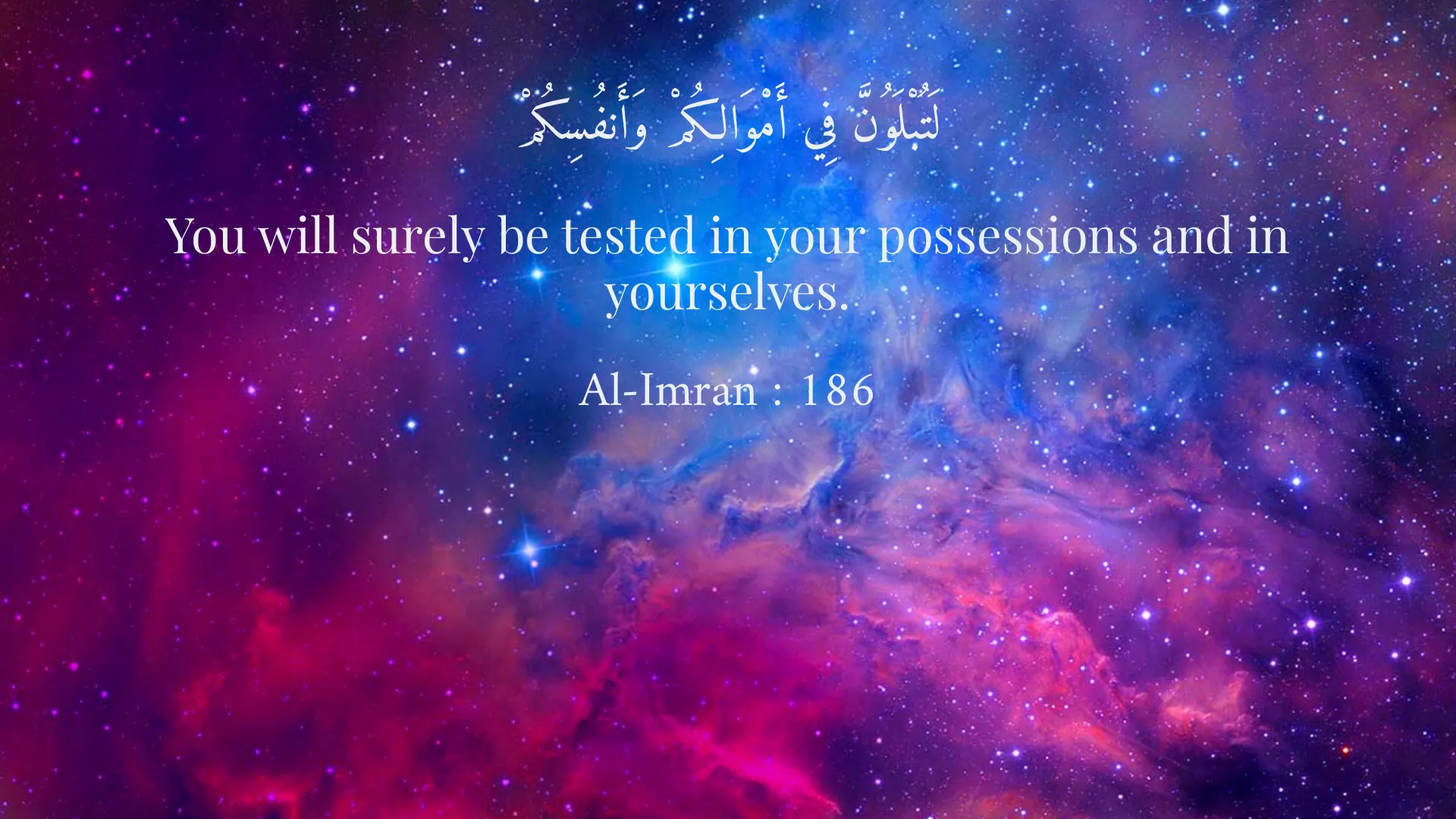
Attaining satisfaction with fate and destiny is one of the fundamental principles in many religious and philosophical traditions. In Islamic teachings, this concept is deeply rooted in the understanding and acceptance of God's will, as articulated in the Quran. The acceptance of fate is not merely a passive resignation to life's circumstances but an active, faith-based engagement with the trials and tribulations that life presents. Strengthening our faith in Allah and accepting His decree gracefully can lead to profound inner peace and contentment. The Quran emphasizes the omnipotence and omniscience of Allah—an assurance that He is in control of everything, and nothing exists outside His decree. This belief provides a framework for understanding hardships and success as parts of a divine plan. Surah Al-Imran, verse 186, states: 'You will surely be tested in your possessions and in yourselves.' This verse serves as a powerful reminder that life is inherently filled with challenges and experiences that must be faced with both acceptance and resilience. The inherent tests in life are not meant to break us but to build our character and faith. Moreover, the concept of trials is further elucidated in Surah Al-Baqarah, verse 155, which declares: 'And We will surely test you with something of fear and hunger and a loss of wealth and lives and fruits.' This verse highlights the reality of life's unpredictability, emphasizing that hardships are an expectation rather than an exception. Recognizing the inevitability of challenges and losses contributes to a deeper sense of tranquility, promoting the understanding that life cannot always be easy but must be navigated with the knowledge that these trials may have a purpose that is beyond human comprehension. Central to developing satisfaction with our fate is cultivating patience (Sabr) during difficult times. The Quran repeatedly stresses the virtue of patience, asserting that 'Indeed, Allah is with the patient' (Surah Al-Baqarah, 153). This powerful affirmation serves as both encouragement and a reminder that patience is not merely about endurance in suffering but an active engagement in prayer and supplication. In times of distress, turning to prayer can be a significant way to maintain hope, clarity, and a sense of purpose. Indeed, maintaining a constant connection with Allah through prayer and remembrance (Dhikr) is fundamental to achieving contentment in life. The act of supplication, or Dua, becomes a vital tool for individuals seeking solace in their struggles. It provides an avenue for expressing desires, fears, and confusion, thereby fostering an intimate relationship with the Creator. Regularly engaging in prayer embodies trust in God's wisdom and timing, reassuring believers that whatever the outcome, it is part of a greater plan. Islam also offers valuable guidance on how to cultivate an attitude of gratitude which parallels acceptance of fate. In Surah Ibrahim, verse 7, it is stated: 'And [remember] when your Lord proclaimed: "If you give thanks [by accepting faith], I will give you more [of My Blessings], but if you deny [My favors], indeed, My punishment is severe."' This verse emphasizes the importance of recognizing and being thankful for the blessings, both big and small, that life presents, regardless of the challenges faced. To achieve appreciation for our destiny, it is also essential to shift our perspectives on adversity. Instead of viewing hardship purely as a negative experience, believers are encouraged to see challenges as opportunities for growth and self-discovery. Every test serves as a lesson—whether it teaches resilience, empathy, or gratitude—contributing to our development as individuals. Embracing this mindset not only fulfills religious obligations but enriches our personal experiences, making each struggle feel more manageable. Moreover, the companionship of community plays an essential role in nurturing satisfaction with fate. The strength of relationships with family, friends, and the wider community can provide support during difficult times. Encouragement from loved ones can be instrumental in helping individuals navigate their challenges. Islam places a strong emphasis on collective responsibility and mutual support, promoting the idea that we are not alone in our struggles. In conclusion, attaining satisfaction with fate and destiny requires a multifaceted approach grounded in faith, patience, gratitude, and a supportive community. It demands an active engagement with life's challenges, a deep understanding of divine will, and the establishment of an unwavering relationship with Allah. By embracing this holistic view, believers can cultivate resilience, hope, and a profound sense of peace, ultimately leading to a greater appreciation of their lives and the paths laid before them. Life's journey may be fraught with trials, but with faith and acceptance, it can evolve into an enriching experience filled with growth and insight.
Related Verses
لَتُبْلَوُنَّ فِي أَمْوَالِكُمْ وَأَنفُسِكُمْ
You will surely be tested in your possessions and in yourselves.
Al-Imran : 186
وَلَنَبْلُوَنَّكُم بِشَيْءٍ مِّنَ الخَوْفِ وَالجُوعِ وَنَقْصٍ مِّنَ الْأَمْوَالِ وَالأَنفُسِ وَالثَّمَرَاتِ
And We will surely test you with something of fear and hunger and a loss of wealth and lives and fruits.
Al-Baqarah : 155
إِنَّ اللَّهَ مَعَ الصَّابِرِينَ
Indeed, Allah is with the patient.
Al-Baqarah : 153
Short Story
One sunny day, a person named Amin sat in a park contemplating his life. He had always tried to find satisfaction in his life. He recalled that the Quran stated that God is in control of everything, and that he should be patient and content with God’s decree. Amin decided not only to strive but also to become closer to God through more prayer and supplication. Gradually, he felt more at peace and was able to enjoy his life.