Quranic Answer
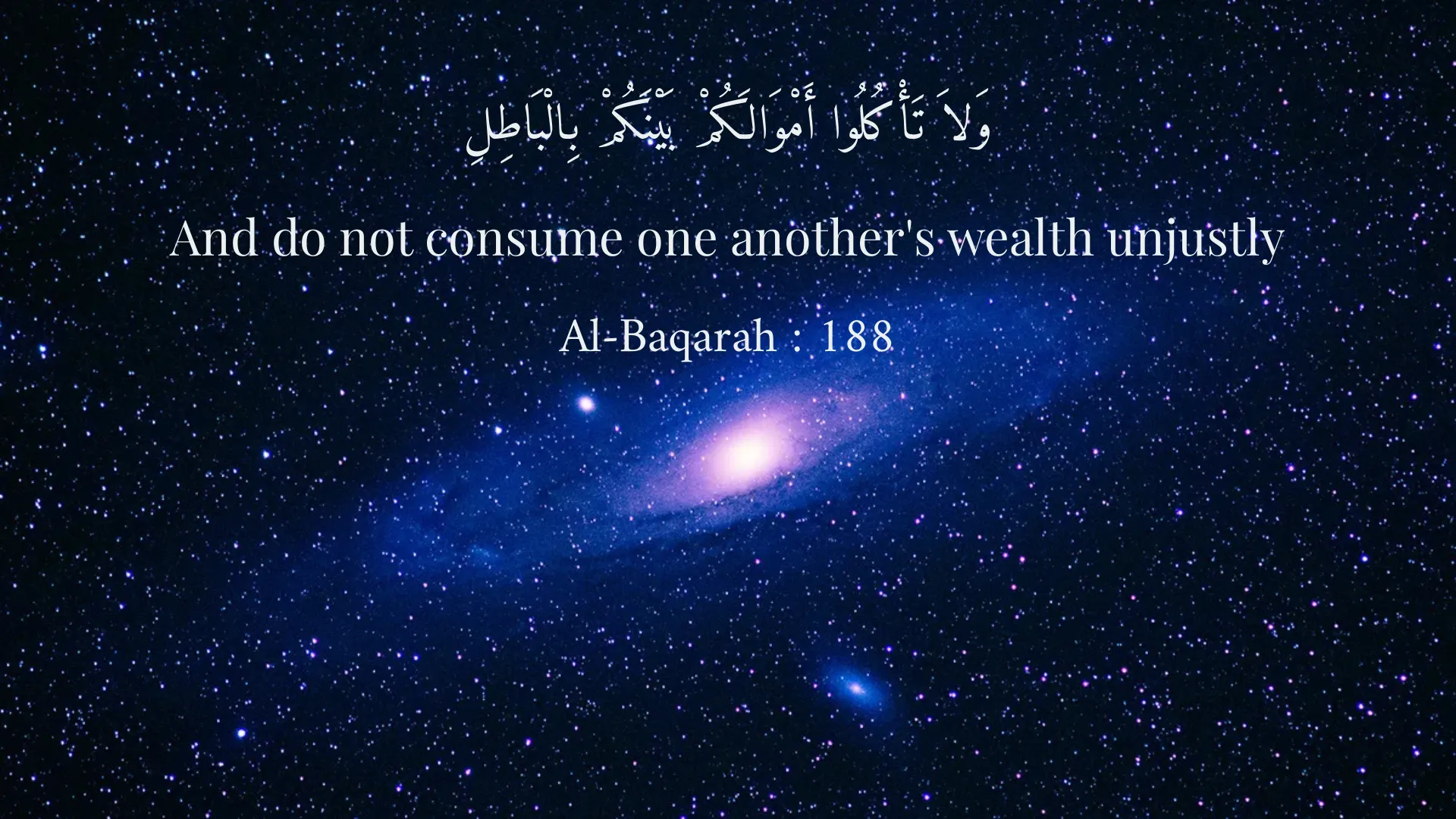
The concept of lawful and unlawful wealth is a significant concern within the teachings of Islam, particularly as expressed in the Holy Quran. Understanding the principles laid out in this sacred text can lead individuals toward a life of financial integrity and ethical practices, promoting both personal satisfaction and broader societal harmony. The Quran establishes strong guidelines for maintaining the purity of one’s income, emphasizing that wealth should never be acquired through unjust means. In Surah Al-Baqarah, verse 188, Allah warns against the unlawful consumption of each other's wealth, stating: "And do not consume one another's wealth unjustly..." (2:188). This verse is a direct admonition against dishonest practices that can lead to financial ruin for individuals and perpetuate injustice within communities. Essentially, the first critical step in ensuring lawful income is for individuals to consciously select sources of their wealth. By making informed choices about their careers and financial endeavors, individuals can steer clear of businesses that operate on morally questionable foundations. For instance, if one's profession inadvertently leads to the acquisition of unlawful income, it is imperative to reevaluate and alter one's course. This could mean changing jobs, seeking new business opportunities, or even exploring different pathways that are more aligned with ethical standards. Moreover, the Quran extends its teachings by providing additional warnings regarding engaging in activities that generate unlawful wealth. In Surah Al-Ma'idah, verse 90, Allah makes it clear that engaging in intoxicants and gambling is not only a means of acquiring defiled wealth but also a representation of Satan's influence in human affairs: "O you who have believed, indeed, intoxicants, gambling... are but defilement from the work of Satan..." (5:90). This verse conveys a profound understanding that such practices do not only harm the individual engaged in them but also disrupt the societal fabric, creating division and harm among people. In this context, it becomes crucial for individuals to persistently evaluate their income sources. This self-monitoring is an essential practice that can lead to a life free from the burdens of guilt or remorse associated with illicit gains. Furthermore, individuals are encouraged to seek divine guidance through prayer, asking for blessings and purity in their pursuits. It is noted in various narrations that a sincere heart that yearns for righteousness has the ability to attract divine assistance, allowing for an income that is blessed and fruitful. Living a righteous life, coupled with the intention to avoid unlawful wealth, fosters peace and tranquility within the soul. Individuals who consume wealth gained through honest efforts often experience contentment that material possessions alone cannot provide. In many ways, they become pillars of their communities, serving as examples of faithfulness and integrity. In addition to personal well-being, upholding the principles of lawful income is vital for the economic health of society as a whole. When individuals engage in fair and just practices, it cultivates an environment of mutual respect and trust. Communities flourish when members are committed to righteousness; people help each other thrive, fostering social bonds that enrich everyone’s lives. Islamic teachings also describe several categories of wealth, such as Zakat (charity) and Sadaqah (voluntary charity), which encourage individuals to share their blessings with those in need. By redistributing wealth ethically, not only is the income purified, but individuals also contribute to alleviating poverty and suffering in society. In this way, one’s wealth becomes a means of social responsibility and connectivity rather than a solitary pursuit. Furthermore, the recognition of divine justice in wealth accumulation emphasizes the importance of accountability. The Quran teaches that individuals will be answerable for their earnings and the means through which they were acquired. This spiritual accountability adds a layer of consciousness that influences how believers perceive and treat their financial dealings. Knowing that their actions have consequences in the hereafter encourages sincerity and honesty in all financial undertakings. In conclusion, maintaining the integrity of one's income according to the Quran’s teachings is paramount for both individual and societal well-being. The explicit guidance provided by Allah through various verses highlights the importance of avoiding unlawful wealth and the corresponding negative impacts on society. By taking conscious steps to ensure the legality and morality of income sources, engaging in sincere prayers for divine guidance, and actively participating in charitable acts, individuals can cultivate an environment where ethical conduct is not just a principle to follow but a standard that leads to the overall good of the community. Ultimately, as individuals choose a righteous path and seek a life devoid of unlawful wealth, they open the door to countless blessings, resulting in peace, satisfaction, and a much more meaningful existence.
Related Verses
وَلاَ تَأْكُلُوا أَمْوَالَكُمْ بَيْنَكُمْ بِالْبَاطِلِ
And do not consume one another's wealth unjustly
Al-Baqarah : 188
إِنَّمَا الْخَمْرُ وَالْمَيْسِرُ وَالْأَنْصَابُ وَالْأَزْلَامُ رِجْسٌ مِّنْ عَمَلِ الشَّيْطَانِ
Indeed, intoxicants, gambling, [sacrificing on] stone alters [to other than Allah], and divining arrows are but defilement from the work of Satan
Al-Ma'idah : 90
Short Story
One day, a man named Saeed decided to avoid making income through improper means. He thought to himself: 'Why should I provide for my livelihood through unlawful means when I can live it righteously?' He sought a halal job so he could earn his living with integrity and peace of mind. From that day on, not only did his life change, but he also experienced greater calm and joy.