Quranic Answer
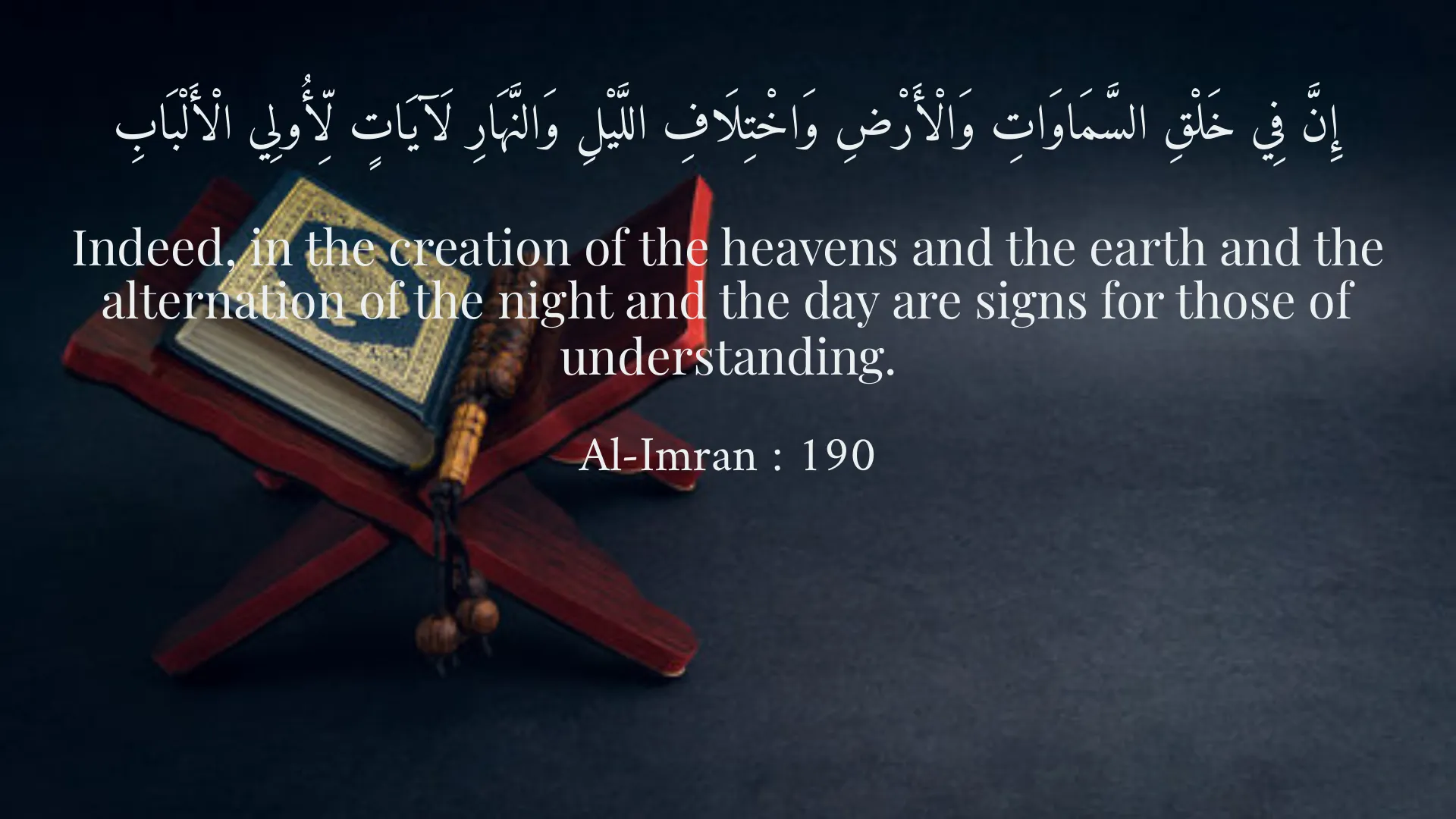
Achieving a balance between reason and emotion in faith is one of the most profound and vital aspects of a believer's spiritual journey. Islam, contrary to some superficial interpretations, does not view reason and emotion as conflicting forces, but rather as complementary and both essential for attaining a complete and dynamic faith. The Holy Quran repeatedly emphasizes the importance of contemplation, intellection, and reflection, while simultaneously valuing passion, love, fear, hope, and other human emotions within the context of faith. Attaining this balance not only deepens faith but also enriches an individual's personal and social life. The Role of Reason (Aql) in Faith: The Quran continuously invites human beings to ponder over the creation of the heavens and the earth, the signs of God in nature, and within themselves. Verses such as “Do they not then reflect on the Qur'an?” (Muhammad: 24) or “Indeed, in the creation of the heavens and the earth and the alternation of the night and the day are signs for those of understanding (ulul albab)” (Al-Imran: 190) explicitly highlight the significance of rationality, analysis, and argumentation. Reason is a divine gift bestowed upon humans to discern truth from falsehood, understand the wisdom behind divine commandments, and accept the messages of prophets and holy books with insight. Blind faith, based solely on ignorance and imitation, has no place in Islam; in fact, it is admonished. Reason helps the believer avoid extremism and negligence, resist doubts, and establish their creed upon certainty and proof. Rationality is the cornerstone of Islamic thought and prevents superstition and undue fanaticism. Reason guides humanity towards the recognition of Tawhid (Oneness of God) and illuminates the correct path of life. Without reason, comprehending the depth and breadth of Quranic teachings would be challenging, and a comprehensive and sustainable understanding of religion would be unattainable. Reason also assists individuals in finding logical and sound solutions to life's challenges based on religious teachings. The Role of Emotion (Ehsas) in Faith: Faith is not merely a dry belief devoid of emotions; rather, it is a living, pulsating connection with the Creator of the universe, accompanied by passion, love, fear, hope, and devotion. The Quran repeatedly speaks of love for Allah, the awe and fear of Him (which stems from His majesty and grandeur, not despair), and hope in His boundless mercy. “But those who believe are stronger in love for Allah” (Al-Baqarah: 165) signifies the pinnacle of this emotional bond. Positive emotions such as love for God and His Messenger, affection for God's servants, compassion, kindness, humility, and gratitude are the driving forces behind righteous deeds and sacrifices in the path of God. Without these emotions, faith transforms into a collection of rigid, lifeless rules and obligations that lack the power to bring about inner transformation and spiritual growth. These emotions give faith depth, tenderness, and vitality, leading humanity towards sincere worship, benevolence towards others, and striving in the path of truth. Emotions help believers persevere during difficult times, resist sins, and remain steadfast in their servitude. Emotions constitute the human dimension of faith, providing the ground for experiencing spiritual joys and proximity to the Divine. The Balance and Synergy of Reason and Emotion: True faith in Islam is a synthesis of these two wings: reason shows the way, and emotion provides the power to fly. Reason guides emotions to prevent excess, neglect, and emotional deviations. For example, love for God reaches its peak when one intellectually comprehends His greatness, power, wisdom, and beauty. Fear of God is constructive when accompanied by an understanding of His justice and mercy, leading to repentance and efforts towards self-improvement rather than despair. Conversely, emotions breathe life into rational conclusions. The intellectual understanding of the need for justice, combined with feelings of empathy and compassion for the oppressed, leads to social action and efforts to alleviate injustice. The heart (fu'ad or sadr) in the Quran is the confluence of reason and emotion; where knowledge and certainty intertwine with love and humility. Remembrance of Allah (dhikr), recitation of the Quran, and prayer (salat) are among the practices that strengthen and balance these two dimensions within an individual. Reflecting on Quranic verses (tadabbur) activates both the rational and emotional dimensions, as the messages of the Quran are both logical and filled with divine emotions. Ultimately, balanced faith is one that possesses a strong rational foundation and is imbued with the warmth of divine emotions; this faith leads to divine pleasure and true happiness in this world and the hereafter. Practical Steps to Achieve Balance: To achieve this balance, several practical steps can be taken: 1. Seeking Knowledge (Ilm): Acquiring deep knowledge in Islamic sciences, philosophy of religion, and Quranic studies strengthens the rational foundation of faith. 2. Contemplating the Quran (Tadabbur): Merely reading the Quran is not enough; one must ponder its meanings and messages to engage both the intellect and move the heart. 3. Remembrance and Supplication (Dhikr and Du'a): Continuously remembering God and supplicating strengthens the emotional connection with the Divine and leads to tranquility of the heart. 4. Ethics and Self-Purification (Akhlaq and Tazkiyah an-Nafs): Cultivating moral virtues and abstaining from vices helps purify the heart and moderate emotions. 5. Reflecting on Creation: Observing and contemplating the beauty and order of the universe leads to both a rational and emotional recognition of God. This comprehensive approach enables the believer to make decisions in life's complexities that are both logical and stem from the depths of faith, maintaining a complete and balanced presence in every moment of life.
Related Verses
إِنَّ فِي خَلْقِ السَّمَاوَاتِ وَالْأَرْضِ وَاخْتِلَافِ اللَّيْلِ وَالنَّهَارِ لَآيَاتٍ لِّأُولِي الْأَلْبَابِ
Indeed, in the creation of the heavens and the earth and the alternation of the night and the day are signs for those of understanding.
Al-Imran : 190
الَّذِينَ يَذْكُرُونَ اللَّهَ قِيَامًا وَقُعُودًا وَعَلَىٰ جُنُوبِهِمْ وَيَتَفَكَّرُونَ فِي خَلْقِ السَّمَاوَاتِ وَالْأَرْضِ رَبَّنَا مَا خَلَقْتَ هَٰذَا بَاطِلًا سُبْحَانَكَ فَقِنَا عَذَابَ النَّارِ
Those who remember Allah while standing or sitting or [lying] on their sides and contemplate the creation of the heavens and the earth, [saying], 'Our Lord, You did not create this in vain; exalted are You [above such a thing]; then protect us from the punishment of the Fire.'
Al-Imran : 191
أَفَلَمْ يَسِيرُوا فِي الْأَرْضِ فَتَكُونَ لَهُمْ قُلُوبٌ يَعْقِلُونَ بِهَا أَوْ آذَانٌ يَسْمَعُونَ بِهَا ۖ فَإِنَّهَا لَا تَعْمَى الْأَبْصَارُ وَلَٰكِن تَعْمَى الْقُلُوبُ الَّتِي فِي الصُّدُورِ
So have they not traveled through the earth and have hearts by which to reason and ears by which to hear? For indeed, it is not eyes that are blinded, but blinded are the hearts which are in the breasts.
Al-Hajj : 46
Short Story
In Sa'di's Gulistan, it is narrated that a just king, angered by a small mistake made by a servant, intended to punish him severely. A wise and compassionate minister, who always prioritized reason and prudence over rash emotions, gently and calmly said to the king: 'O virtuous king, is it fitting that you sacrifice the judgment of reason and wisdom for a moment of anger and wrath? Haste and severity often lead to regret and deprive one of sound judgment.' The king, being a fair man, listened to the minister's words and pondered for a moment. His anger subsided, and he looked at the situation with reason. He then realized that severe punishment for such a minor mistake was neither just nor appropriate. Consequently, instead of a harsh penalty, he pardoned the servant, leaving a great lesson for all present on the balance between reason and emotion. This story teaches us how, by letting wisdom govern fleeting emotions, we can arrive at a right and just decision, even in matters of faith and life.