Quranic Answer
Your profound and heartfelt question about establishing a deeper relationship with God, beyond mere servitude, stems from human nature and the profound teachings of the Quran. At first glance, the term 'servant' (abd) implies submission, obedience, and duty, which indeed forms the fundamental basis of our relationship with the Creator. However, the Holy Quran and the tradition of Prophet Muhammad (peace be upon him) clearly indicate that this relationship can transcend to the exalted status of 'Wilayah' (guardianship/friendship) and 'Rafaqat' (companionship/friendship). In this state, a servant not only obeys but passionately connects with their Beloved, viewing Him as a friend, protector, and helper. This path is a spiritual journey demanding a pure heart, unwavering resolve, and practical adherence to Quranic principles. The first step in forging this profound friendship is a deep and intimate knowledge of God. The more we learn about His attributes (Asma al-Husna) and divine names, the better we comprehend His grandeur, mercy, wisdom, and boundless love. When we truly grasp that He is not merely the powerful Creator but also the Most Merciful of the merciful (Arham al-Rahimeen) and the Dearest of friends (Al-Wali), our hearts are naturally drawn to Him. This profound understanding plants the seed of love within our souls. The Quran repeatedly reminds His servants that He is near (Al-Baqarah, verse 186) and answers their prayers, which in itself fosters a sense of closeness and companionship. This proximity signifies God's perpetual presence in our lives, not just during moments of worship, but in every breath, every experience, and every aspect of our existence. The second crucial step is 'reciprocal love.' In Surah Al-Ma'idah, verse 54, Allah speaks of a people whom He loves, and who, in turn, love Him. This verse unequivocally illustrates that divine love is not one-sided; when a servant takes a step towards God, God approaches them with even greater love. How do we cultivate this reciprocal love? By performing actions that are pleasing to God, refraining from what He dislikes, and striving for 'Ihsan' (excellence) in worship. Ihsan means to worship God as if you see Him, and if you cannot see Him, then know with certainty that He sees you. This state of complete mindfulness and heartfelt presence transforms worship from a mere dry obligation into a deeply loving dialogue, a true communion with the Divine. 'Dhikr' (remembrance) and 'constant recollection' of God form the very pillar of this friendship. The Quran states: “So remember Me; I will remember you.” (Al-Baqarah, verse 152). This remembrance encompasses glorifying Him (Tasbih), declaring His oneness (Tahlil), proclaiming His greatness (Takbir), and also contemplating His signs in creation and expressing gratitude for His countless blessings. When God's name is always on our minds and tongues, feelings of loneliness and helplessness dissipate, replaced by a profound sense of constant companionship and unwavering support. This continuous remembrance brings peace to hearts and liberates individuals from worldly anxieties, as they realize they are under the unwavering protection of an eternal and everlasting Friend. 'Tawakkul' (trust) and 'complete reliance' on God are also indispensable pillars of this friendship. When an individual truly relies on God, they cease to fear anything else and surrender all matters to Him. Surah At-Talaq, verse 3, beautifully states: “And whoever relies upon Allah – then He is sufficient for him.” This profound trust alleviates anxieties and bestows a deep sense of tranquility upon the human being, for they know that their Friend is the best Disposer of affairs and Sustainer. 'Patience' (Sabr) and 'Gratitude' (Shukr) are two wings that elevate this friendship. Patience in the face of hardships and divine decree, and gratitude for blessings, signify the depth of one's faith and contentment with divine providence. A servant who is patient and grateful, even in adversity, perceives God's wisdom and knows that their Friend always wills what is best for them. 'Following Prophet Muhammad (peace be upon him)' is another indispensable path to drawing closer to God. In Surah Ali 'Imran, verse 31, Allah declares: “Say, [O Muhammad], 'If you should love Allah, then follow me, [so] Allah will love you.'” Adhering to the Prophet's Sunnah (tradition) and emulating his noble character is a manifestation of love for God and a means to attract divine love. This adherence is not merely a religious obligation but a practical means to achieve human perfection and greater proximity to the Divine essence. 'Ikhlas' (sincerity) in all actions is another vital element. Every good deed, every act of worship, every help extended to creation, if performed with pure intention and solely for the pleasure of God, gradually removes the veils between the servant and the Beloved, deepening the friendship. When our sole aim is His pleasure, we no longer expect anything from creation, and this freedom itself leads to inner peace and greater focus on our relationship with God. Ultimately, friendship with God is an ongoing, continuous process. This loving servitude necessitates continuous self-purification, repentance, and returning to Him after every lapse, and an unwavering effort to draw closer to divine perfections. This friendship does not imply equality with God; rather, it signifies God's immense grace upon His servant, elevating them to the status of His companion. This profound friendship creates boundless peace, unparalleled happiness, and an enduring light in a person's life, freeing them from all other dependencies and empowering them to face life's challenges with tranquility and assurance. This deep bond reveals the true meaning of life and guides humanity towards ultimate peace and contentment. With this perspective, servitude is not just a duty, but a bridge to reach the pinnacle of divine friendship and love.
Related Verses
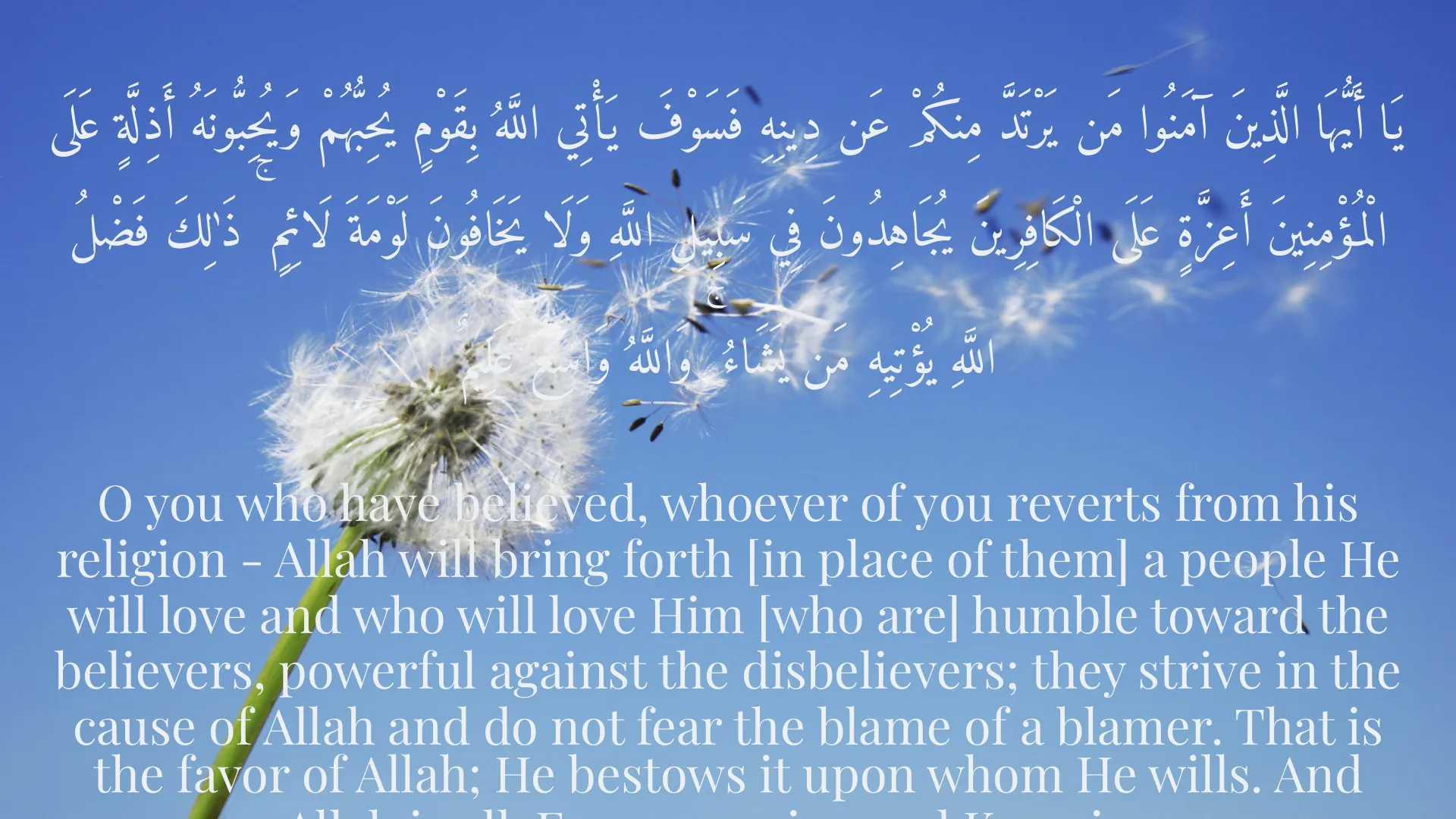
يَا أَيُّهَا الَّذِينَ آمَنُوا مَن يَرْتَدَّ مِنكُمْ عَن دِينِهِ فَسَوْفَ يَأْتِي اللَّهُ بِقَوْمٍ يُحِبُّهُمْ وَيُحِبُّونَهُ أَذِلَّةٍ عَلَى الْمُؤْمِنِينَ أَعِزَّةٍ عَلَى الْكَافِرِينَ يُجَاهِدُونَ فِي سَبِيلِ اللَّهِ وَلَا يَخَافُونَ لَوْمَةَ لَائِمٍ ۚ ذَٰلِكَ فَضْلُ اللَّهِ يُؤْتِيهِ مَن يَشَاءُ ۚ وَاللَّهُ وَاسِعٌ عَلِيمٌ
O you who have believed, whoever of you reverts from his religion - Allah will bring forth [in place of them] a people He will love and who will love Him [who are] humble toward the believers, powerful against the disbelievers; they strive in the cause of Allah and do not fear the blame of a blamer. That is the favor of Allah; He bestows it upon whom He wills. And Allah is all-Encompassing and Knowing.
Al-Ma'idah : 54
فَاذْكُرُونِي أَذْكُرْكُمْ وَاشْكُرُوا لِي وَلَا تَكْفُرُونِ
So remember Me; I will remember you. And be grateful to Me and do not deny Me.
Al-Baqarah : 152
قُلْ إِنْ كُنْتُمْ تُحِبُّونَ اللَّهَ فَاتَّبِعُونِي يُحْبِبْكُمُ اللَّهُ وَيَغْفِرْ لَكُمْ ذُنُوبَكُمْ ۗ وَاللَّهُ غَفُورٌ رَحِيمٌ
Say, [O Muhammad], 'If you should love Allah, then follow me, [so] Allah will love you and forgive you your sins. And Allah is Forgiving and Merciful.'
Ali 'Imran : 31
وَإِذَا سَأَلَكَ عِبَادِي عَنِّي فَإِنِّي قَرِيبٌ ۖ أُجِيبُ دَعْوَةَ الدَّاعِ إِذَا دَعَانِ ۖ فَلْيَسْتَجِيبُوا لِي وَلْيُؤْمِنُوا بِي لَعَلَّهُمْ يَرْشُدُونَ
And when My servants ask you, [O Muhammad], concerning Me - indeed I am near. I respond to the invocation of the supplicant when he calls upon Me. So let them respond to Me [by obedience] and believe in Me that they may be rightly guided.
Al-Baqarah : 186
Short Story
It is narrated that in ancient times, there was a devout worshipper who had spent years in devotion, yet always felt in his heart that his servitude was merely out of duty and fear, not out of love and friendship. One day, in his solitude, he fell into deep thought and asked God to open a path for him to know Him not just as a master, but as a friend. He spent his nights in prayer and conversation with God, and his days contemplating the verses of the Quran. Gradually, he realized that friendship with God lies in recognizing His boundless love, trusting Him in all matters, and remembering Him constantly. When his heart overflowed with divine love, his prayers were no longer a burden, but a sweet conversation with a loving companion. Whenever a problem arose, instead of worrying, he would place his trust in God, knowing that his Friend was the best problem-solver. He no longer saw himself merely as a servant, but as a lover living every moment with his Eternal Beloved, finding a profound peace that sprang from this sacred friendship.