Quranic Answer
In the Holy Quran, the concept of contentment and satisfaction with lawful sustenance is intricately woven throughout its verses, offering profound guidance for believers. The importance of recognizing and appreciating the sustenance provided by Allah is emphasized, encouraging individuals to cultivate an attitude of gratitude and awareness of their spiritual and material blessings. This article will explore various Quranic teachings related to contentment and lawful sustenance, demonstrating how these messages shape our understanding of wealth, gratitude, and the human experience. One of the most poignant stories that illustrate the theme of patience and reliance on Allah is found in the narrative of Prophet Job (Ayyub), as highlighted in Surah Al-Qalam, verse 17. The verse recounts how Prophet Job endured immense suffering and trials yet remained steadfast in his faith and continually sought assistance from Allah. His enduring patience symbolizes not just resilience in the face of adversity but also the necessity of recognizing Allah as the ultimate source of sustenance and relief. Job’s story serves as a reminder that even during dire circumstances, one must not lose sight of gratitude and trust in Allah's plan. This aspect of patience harmonizes with the fundamental idea of contentment; it underscores how believers should remain thankful for what they have, regardless of their current challenges. Moreover, Surah Al-Imran, verse 147, presents another critical perspective on this topic. Allah advises believers to rejoice in their blessings rather than lamenting what others possess. The teachings here suggest a profound psychological and spiritual insight: that true contentment stems from the recognition and appreciation of one’s own gifts rather than drawing comparisons with the possessions of others. When individuals focus on the good in their lives, they naturally foster a sense of satisfaction and fulfillment. The act of rejoicing in one’s own blessings reinforces the idea that contentment isn't merely about material wealth but rather about a deeper understanding of one’s place in the universe and the acknowledgment of Allah's generosity. The Quran also offers a stern warning against envy, as expressed in Surah An-Nisa, verse 32. In this verse, God states, "And do not covet that by which Allah has made some of you exceed others." This reminder serves a dual purpose: it protects both the individual from the destructive nature of envy and fosters a community based on mutual respect and satisfaction with Allah's decreed provisions. Understanding that everyone has a unique set of circumstances and blessings allows for a more harmonious society wherein people support each other rather than compete destructively. The acknowledgment of this principle aids immensely in promoting societal well-being, reducing feelings of inadequacy that arise from constant comparison. To internalize the concept of contentment with lawful sustenance, believers are encouraged to embody gratitude in their daily lives. The Quran repeatedly underscores the concept that gratitude leads to increased blessings and provisions; thus, being thankful becomes a means to attract further goodness. Establishing gratitude as a practice can transform one’s outlook on life. Catered activities such as sharing one’s blessings, acknowledging the gifts received, and remaining mindful during daily routines can strengthen this practice. By fostering a gratitude-centric mindset, individuals can find joy even in modest means. Furthermore, the cultivation of contentment should not be seen in isolation from the strengthening of one’s faith. Contentment with lawful sustenance reflects a deeper relationship with Allah, linking one’s inner peace and external circumstances to spiritual fulfillment. Engaging in acts of worship, prayer, and reflection can enhance this connection, drawing believers closer to Allah and reinforcing their reliance on Him. This emphasis on spiritual intimacy is crucial, for it underscores the idea that wealth is not merely a physical measure but also a manifestation of one's spiritual condition. As we navigate a world often dominated by materialism, the teachings of the Quran encourage us to shift our focus away from earthly cravings and instead foster an appreciation for the lawful sustenance provided by Allah. Rather than becoming ensnared by social pressures and the barrage of consumerism that promotes dissatisfaction, we are called to redirect our attention towards the blessings that fill our lives. By recognizing that true value lies in our faith, relationships, and the simple joys of life, we embark on a path leading to genuine contentment. In conclusion, the Quran provides timeless wisdom about contentment and satisfaction with lawful sustenance. The narratives of prophets like Job exemplify how unwavering faith can coexist with adversity, while verses that encourage rejoicing in one’s blessings promote a fulfilling life free from envy. Additionally, strengthening our relationship with Allah, practicing gratitude, and embracing simplicity serve as foundational elements in nurturing a sense of contentment. Through adhering to these teachings, believers can navigate their lives with joy, satisfaction, and a heartfelt appreciation for the lawful sustenance bestowed upon them.
Related Verses
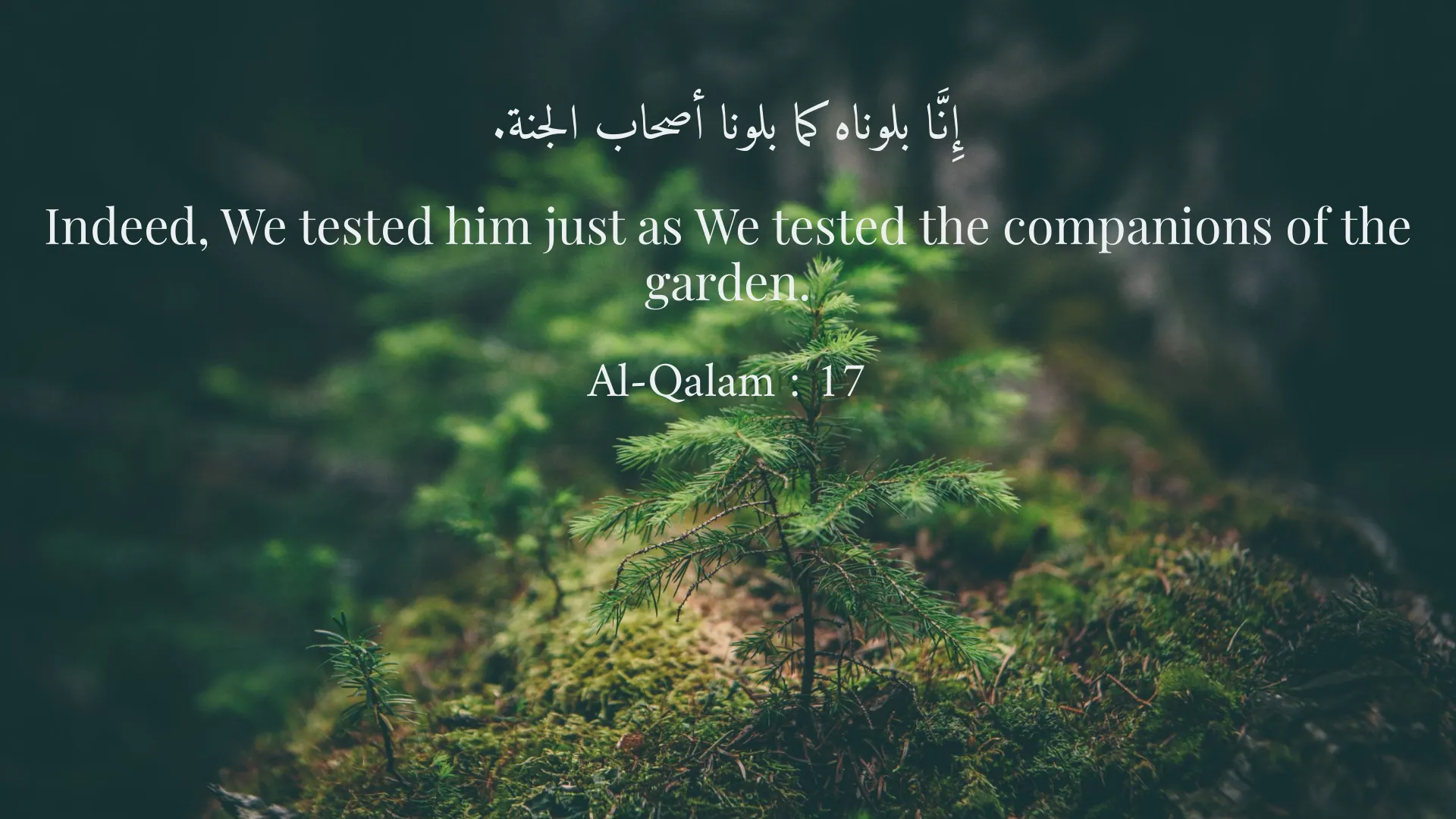
إِنَّا بلوناه كما بلونا أصحاب الجنة.
Indeed, We tested him just as We tested the companions of the garden.
Al-Qalam : 17
فليفرحوا بما آتاهم الله.
So let them rejoice in what Allah has given them.
Al-Imran : 147
ولا تتمنوا ما فضل الله به بعضكم على بعض.
And do not covet that by which Allah has made some of you exceed others.
An-Nisa : 32
Short Story
Once upon a time, a young man named Arash sat in the city square pondering how he could be content with his lawful sustenance. He recalled the verses of the Quran and thought to himself, 'If Allah has blessed me, why should I covet what others have?' Arash decided to practice gratitude towards God and strive to live joyfully. Days passed, and with a calm and content heart, he enjoyed his sustenance.