Quranic Answer
In the Holy Quran, the themes of patience and endurance are poignantly addressed, especially in the context of betrayal and challenges. Believers are continually reminded of the importance of remaining steadfast in the face of life's adversities. The difficulties one faces may come in various forms, including personal betrayals, societal challenges, and spiritual doubts. The Quran serves as a guiding light, advocating for patience as a necessary virtue that should be upheld in turbulent times. One verse that epitomizes this principle is found in Surah Al-Baqarah, verse 153, which states, 'And be patient; indeed, Allah is with the patient.' This exhortation from the Almighty outlines a fundamental tenet of faith - the assurance that divine support accompanies those who endure trials with patience. In a world rife with uncertainty, betrayal might be one of the most trying experiences an individual can confront. However, this verse not only provides solace but also an essential reminder that Allah's proximity is with the patient, fostering a deeper connection between the believer and the Divine. Patience in the face of betrayal is not merely about suffering in silence; it requires a profound understanding of Allah's attributes and complete trust in His wisdom. Such an understanding is crucial since, in moments of betrayal, emotions can cloud judgment. The hurt stemming from treachery can sometimes lead individuals to act impulsively or seek revenge. However, the Quran teaches that true strength lies in exercising restraint and embodying patience. The sacred text encourages believers to practice self-control, allowing for personal growth and development even in the absence of favorable circumstances. Furthermore, prayer and spiritual closeness to Allah during times of distress are emphasized throughout the Quran. Engaging in prayer serves as a means of expressing vulnerability, seeking guidance, and finding peace. The act of turning towards Allah during hardships allows believers to foster a sense of security and assurance, which can be especially comforting when confronting feelings of betrayal. In Surah At-Talaq, verses 2 and 3 say, 'And whoever fears Allah - He will make for him a way out * And will provide for him from where he does not expect.' This passage serves as both a consolation and an encouragement to maintain faith. Believers are reminded that by practicing piety and remaining steadfast in their worship, they can expect divine intervention during troubling times. The concept of divine support stems from the idea that Allah provides relief in ways that transcend human understanding. It reinforces the belief that even when situations seem bleak and options appear limited, Allah has the ability to open new doors and furnish the believer with opportunities for relief that come from unexpected avenues. Moreover, enduring betrayal can be perceived as a part of a divine test, intended to strengthen faith and resilience. The Quran presents life as a series of trials designed to challenge believers, refine their character, and deepen their relationship with the Almighty. Recognizing that each challenge is a measure of personal growth allows individuals to approach trials with a sense of purpose and determination. Therefore, being patient in the face of betrayal signifies embracing the moment as an opportunity for spiritual victory rather than a mere burden to bear. In addition, the notion of gratitude plays an instrumental role in the process of patience. Gratitude can serve as a counterbalance to the anguish of betrayal, effectively shifting a focus away from pain towards appreciation for the divine wisdom behind life's challenges. In the Quran, gratitude is frequently mentioned alongside patience, establishing a connection between these two virtues. During difficult times, it may be easy to feel overwhelmed and lost; cultivating an attitude of thankfulness can rekindle hope and foster a sense of peace. Reminding oneself of the blessings that exist—even in adversity—can provide comfort, perspective, and a renewed sense of purpose. Additionally, the Quran encourages believers to cultivate a community of support during trying times. Engaging with family, friends, and fellow believers can provide the necessary emotional bolster that fosters patience. Sharing spiritual insights, collective prayer, and mutual encouragement can amplify resilience against the sting of betrayal. The embodiment of community in Islam is essential, as fellowship can ease the burden of heartache and enhance one's patience. In summary, navigating betrayal is an arduous journey filled with emotional turmoil and dilemmas. However, as outlined in the Holy Quran, individuals are urged to exercise patience and endurance, assured that Allah is ever-present with those who remain steadfast. Understanding patience's depth means embracing the nuances of faith, engaging in supplication, and recognizing that trials are opportunities for spiritual refinement. Ultimately, the path to overcoming betrayal involves not just tolerating pain, but also embracing a profound connection with Allah guided by trust, gratitude, and a communal spirit. Thus, it becomes vital to remember Allah during such journeys and not to neglect the significance of patience and gratitude, enabling believers to transcend adversity and emerge stronger in faith.
Related Verses
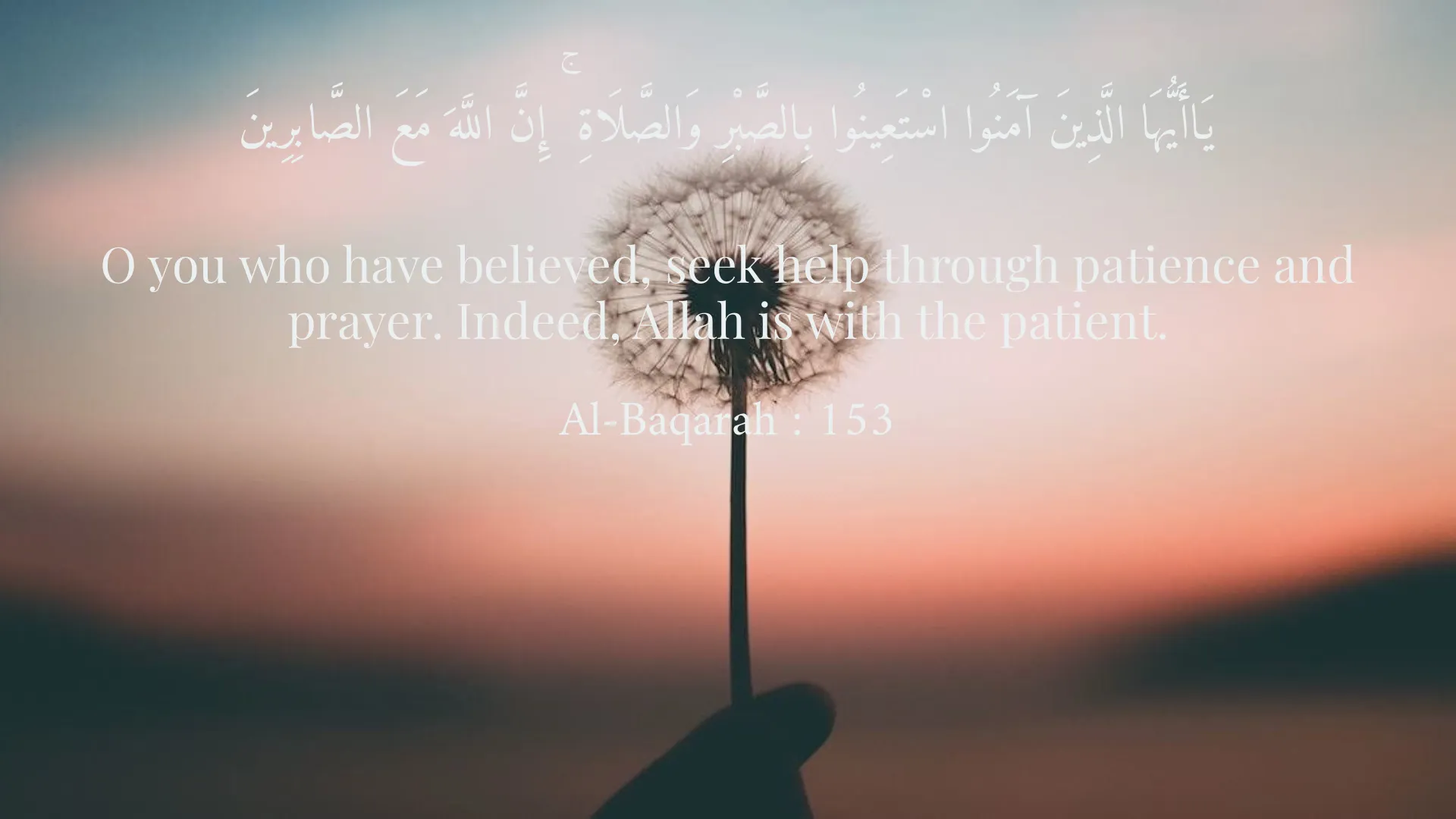
يَاأَيُّهَا الَّذِينَ آمَنُوا اسْتَعِينُوا بِالصَّبْرِ وَالصَّلَاةِ ۚ إِنَّ اللَّهَ مَعَ الصَّابِرِينَ
O you who have believed, seek help through patience and prayer. Indeed, Allah is with the patient.
Al-Baqarah : 153
وَمَن يَتَّقِ اللَّهَ يَجْعَل لَّهُ مَخْرَجًا
And whoever fears Allah - He will make for him a way out.
At-Talaq : 2
وَيَرْزُقْهُ مِن حَيْثُ لَا يَحْتَسِبُ
And will provide for him from where he does not expect.
At-Talaq : 3
Short Story
One day, a man named Hassan faced betrayal from his friend. He was heartbroken and didn't know what to do. In that moment, he remembered the verses of the Quran that reminded him to be patient and trust in God. He began to pray and surrendered his troubles to Allah. After some time, Hassan found peace and realized there was a lesson hidden in these events.