Quranic Answer
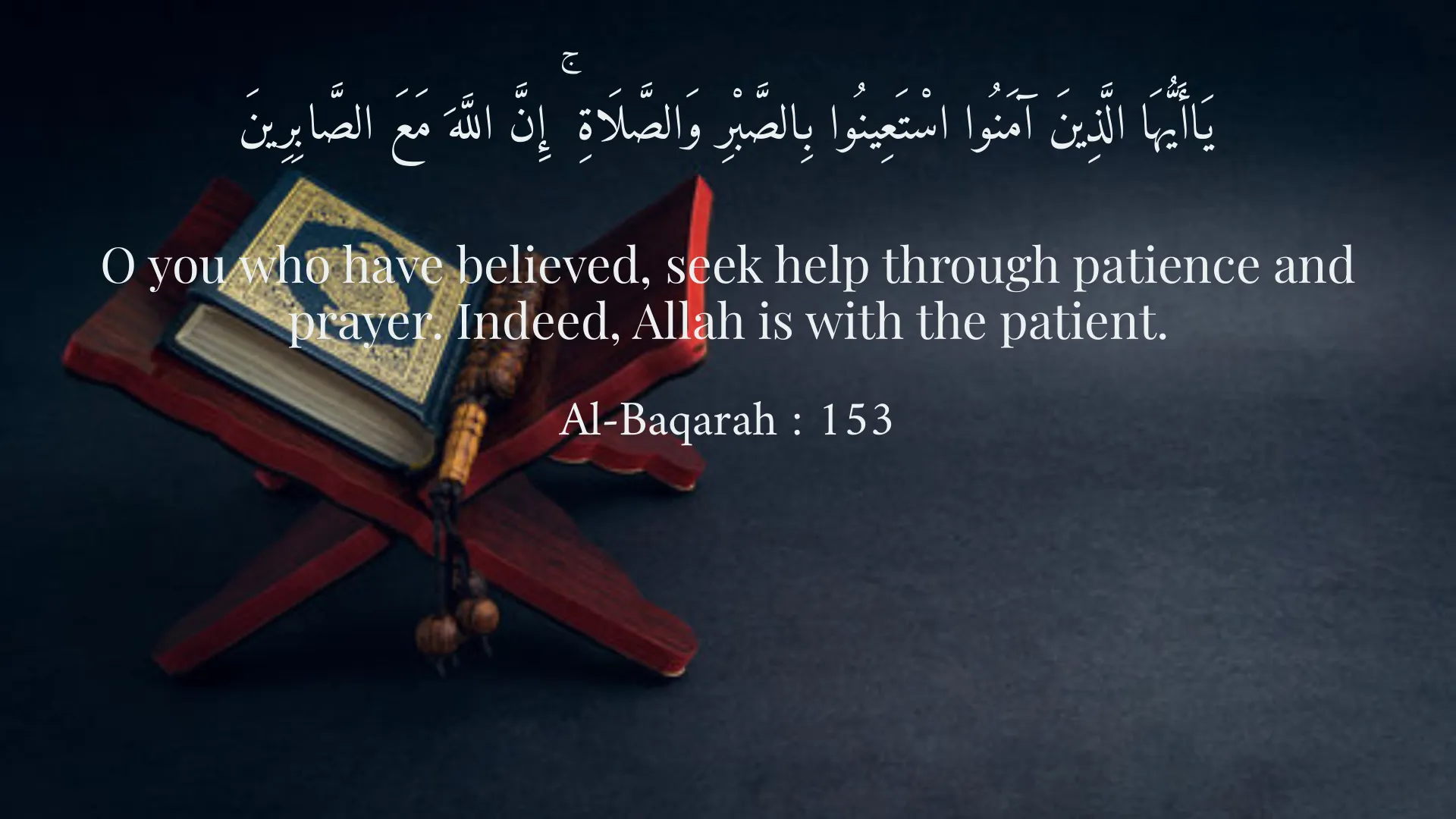
In the Holy Quran, patience is considered one of the most prominent and essential attributes of believers. This quality not only embodies resilience in the face of adversity but also reflects one's deep connection and reliance on God. The Quran frequently emphasizes the significance of patience, particularly when believers encounter hardships, trials, and tribulations in their lives. Through various verses, Allah instructs and encourages the faithful to adopt patience as a means of attaining inner peace and strength. This article aims to explore the concept of patience as portrayed in the Quran, its importance for believers, and how it can be practically applied in everyday life. One of the most compelling references to patience is found in Surah Al-Baqarah, verse 153, where Allah says: "O you who have believed, seek help through patience and prayer. Indeed, Allah is with the patient." This verse underscores the crucial relationship between patience and prayer, illustrating that when believers are faced with hardship and deprivation, turning to these two pillars can provide not only solace but also guidance. It is through patience that individuals can navigate the challenges of life, knowing that Allah is with them, providing support and encouragement, even in their most trying moments. The act of seeking patience and prayer is not merely a response to suffering; it reflects a profound understanding of the nature of life itself. Life is replete with tests and challenges that can often be overwhelming. However, through patience, a believer acknowledges their limitations while simultaneously recognizing the omnipotence of Allah. This dual understanding fosters a sense of inner peace and tranquility, enabling the believer to endure adversity with grace and fortitude. Furthermore, in Surah Al-Imran, verse 139, we find a poignant reminder: "And do not grieve or be sad; indeed, you are the highest if you are believers." This verse serves to reassure believers that their faith in Allah elevates their status, even amid struggles and trials. In times of difficulty, it is easy for one to succumb to feelings of despair or disillusionment. However, Allah's words encourage believers to remain steadfast, reminding them of the higher purpose behind their suffering. By maintaining their connection with Allah through patience and belief, they can transform their hardships into stepping stones toward spiritual elevation. Moreover, Surah Al-Anfal reinforces the notion of patience with the command, "And be patient over what has befallen you." This directive emphasizes that patience is not merely a passive state but an active practice that requires commitment and determination. It calls upon believers to engage with their circumstances thoughtfully, transforming challenges into opportunities for spiritual growth and deeper faith. Patience, in this context, becomes a form of worship, a demonstration of one's unwavering trust in Allah's wisdom and mercy. In addition to spiritual insights, the Quran also highlights the psychological benefits of patience. When faced with difficulties, it is natural to feel overwhelmed by negative emotions. However, actively choosing to practice patience can lead to emotional regulation and resilience. Remembering the blessings that one possesses—whether physical, emotional, or spiritual—can help maintain a positive outlook and cultivate gratitude. The act of reflecting on one’s blessings serves as a powerful tool to combat feelings of grief and sadness, further aligning the believer with their faith and their Creator. Undoubtedly, the journey of cultivating patience is multifaceted and complex. It involves not only enduring difficult situations but also embracing personal growth in the process. By practicing self-compassion and understanding that suffering is a natural aspect of life, believers can navigate their struggles while remaining anchored in faith. This spiritual journey cultivates a deeper relationship with Allah, leading to the experience of tranquility and resilience in the face of adversity. As we consider the practical application of patience in our everyday lives, it is essential to recognize that it takes intention and effort. One effective way to practice patience is through mindful reflection and prayer. Engaging in regular prayer allows believers to express their concerns and seek divine guidance while reinforcing their faith. Additionally, utilizing techniques such as meditation, deep breathing, or journaling can help individuals process their feelings and cultivate a sense of calm amidst chaos. Furthermore, surrounding oneself with a supportive community can enhance one’s ability to remain patient. Sharing burdens with family, friends, or fellow believers can provide encouragement, wisdom, and a sense of togetherness. When individuals witness others practicing patience in their lives, it serves as a powerful reminder of its importance and can inspire them to adopt similar attitudes. Community support acts as a catalyst for personal growth, enabling individuals to become not only more resilient themselves but also to uplift those around them. In conclusion, the Quran offers profound wisdom on the significance of patience as a virtue for believers. Through verses such as those found in Surah Al-Baqarah, Surah Al-Imran, and Surah Al-Anfal, the sacred text emphasizes that patience is a crucial element in navigating the challenges of life. Believers are encouraged to seek solace through patience and prayer, reinforcing their connection to Allah while fostering resilience and spiritual growth. Patience becomes a source of inner peace, enabling individuals to maintain a positive outlook even in difficult times. Ultimately, by integrating the lessons of patience from the Quran into their daily lives, believers can attain spiritual fulfillment and tranquility, emerging stronger and more connected to their faith.
Related Verses
يَاأَيُّهَا الَّذِينَ آمَنُوا اسْتَعِينُوا بِالصَّبْرِ وَالصَّلَاةِ ۚ إِنَّ اللَّهَ مَعَ الصَّابِرِينَ
O you who have believed, seek help through patience and prayer. Indeed, Allah is with the patient.
Al-Baqarah : 153
وَلَا تَهْنُوا وَلَا تَحْزَنُوا وَأَنتُمُ الْأَعْلَوْنَ إِن كُنتُم مُّؤْمِنِينَ
And do not grieve or be sad; indeed, you are the highest if you are believers.
Al-Imran : 139
وَٱصْبِرُوا عَلَى مَا أَصَابَكُمْ ۖ إِنَّ ٱلَّهَ مَعَ ٱلصَّـٰبِرِينَ
And be patient over what has befallen you. Indeed, Allah is with the patient.
Al-Anfal : 46
Short Story
One day, a person faced many hardships in his life. He decided to be patient in the face of these deprivations and put his trust in God. Every day, through prayer and remembrance of God, he found more and more peace, making it easier to endure the difficulties. Before long, those struggles turned into positive outcomes, and he enjoyed the numerous blessings from God.